


Marcel Tyberg
Released Album
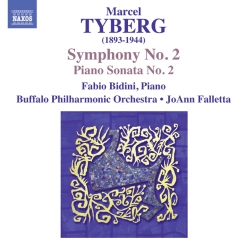
Symphony
-
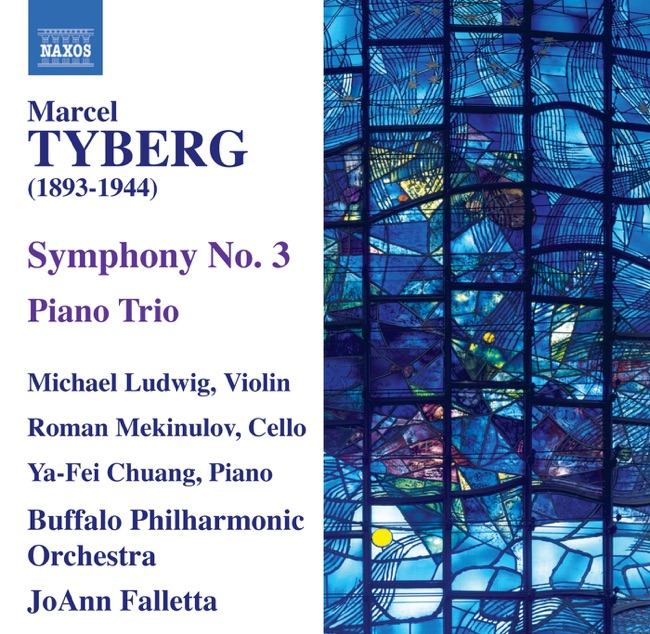 August 31, 2010
Keyboard
-
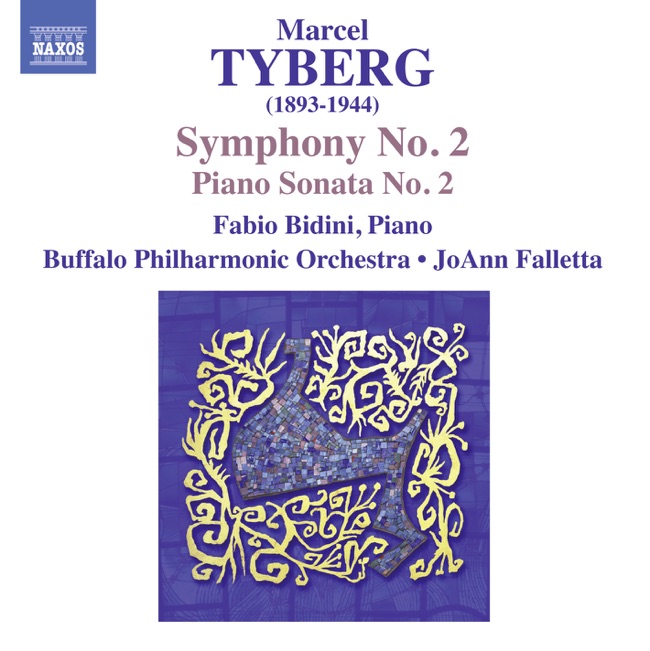 August 5, 2013
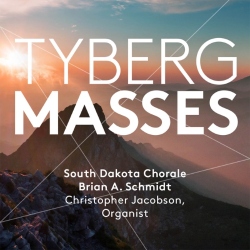
Choral
-
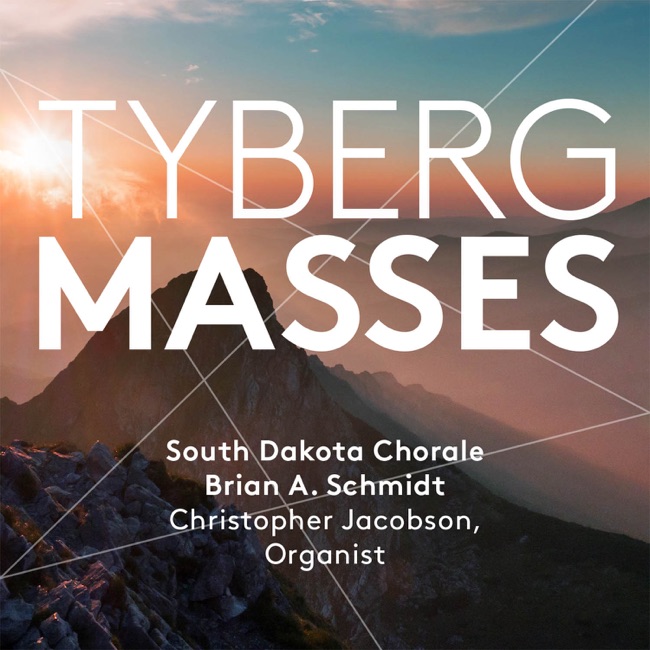 November 18, 2016
Artist Info
Role:ComposerBirth:1893Death:1944Marcel Tyberg was a classical music composer born on January 19, 1893, in Vienna, Austria. He was the son of a wealthy family and grew up in a musical household. His father was a pianist and his mother was a singer, and they both encouraged Marcel's musical talents from a young age. Marcel began his formal music education at the age of six, studying piano with his father and composition with various teachers. He showed great promise as a composer, and by the age of 16, he had already written several works for piano, chamber ensembles, and orchestra. In 1911, Marcel enrolled at the Vienna Conservatory, where he studied composition with Franz Schreker and piano with Richard Robert. He continued to excel in his studies and was awarded several prizes for his compositions. After completing his studies at the Vienna Conservatory, Marcel returned to his hometown of Kroměříž, in what is now the Czech Republic. There, he worked as a music teacher and continued to compose. He also became involved in the local music scene, conducting the local orchestra and performing as a pianist. In 1918, Marcel moved to Innsbruck, Austria, where he worked as a music teacher and conductor. He continued to compose during this time, but his works were largely unknown outside of his local community. In 1926, Marcel moved to the United States, settling in Buffalo, New York. There, he worked as a music teacher and conductor, and he continued to compose. However, his compositions remained largely unknown, and he struggled to gain recognition as a composer. Despite this lack of recognition, Marcel continued to compose throughout his life. His works were largely influenced by the Romantic composers of the 19th century, particularly Brahms and Wagner. His compositions were characterized by their lush harmonies, sweeping melodies, and dramatic contrasts. Marcel's most significant works include his Symphony No. 3 in F-sharp minor, his Piano Sonata in F minor, and his String Quartet in B-flat major. These works showcase his mastery of orchestration, harmony, and form, and they demonstrate his ability to create music that is both emotionally powerful and intellectually engaging. Unfortunately, Marcel's life was cut short by the Holocaust. In 1943, he was arrested by the Nazis and sent to the Theresienstadt concentration camp. There, he continued to compose, even as he faced the horrors of the camp. He died in the camp in 1944, and many of his compositions were lost or destroyed. It was not until the 21st century that Marcel's music began to receive the recognition it deserved. In 2008, a collection of his compositions was discovered in the basement of a Buffalo home. This collection included several previously unknown works, including his Symphony No. 2 in F minor and his Piano Trio in F-sharp minor. Since the discovery of this collection, Marcel's music has been performed and recorded by orchestras and ensembles around the world. His compositions have been praised for their beauty, depth, and emotional power, and he is now recognized as one of the most important composers of the early 20th century. In conclusion, Marcel Tyberg was a talented and prolific composer whose life and career were tragically cut short by the Holocaust. His compositions, which were largely unknown during his lifetime, have since been recognized as some of the most beautiful and powerful works of the early 20th century.More....
Recent Artist Music
4
Piano Sonata No. 2 in F sharp minor
IV. Finale: Sostenuto e maestoso - Allegro non troppo ma sempre con passione
5:4
Copyright Ⓒ 2013 Davinci Finger. All rights reseved
Service Terms & Policy