


Worcester Antiphonarium Anonymous
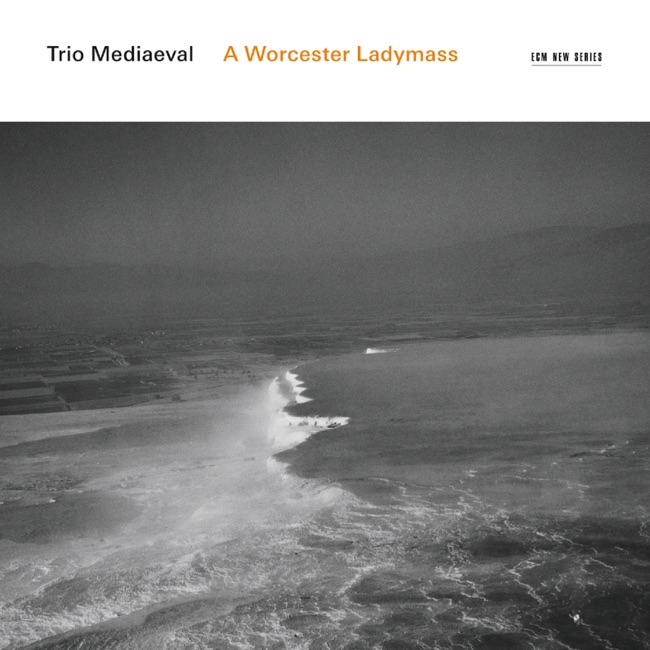
Artist Info
Role:ComposerCountry: United KingdomBirth:1230 in Worcester, EnglandDeath:1230 in Worcester, EnglandGenre:ChoralVocalWorcester Antiphonarium Anonymous is a classical music composer whose birth and life remain shrouded in mystery. The composer is known only by the name of the manuscript that contains their works, the Worcester Antiphonarium, which is housed in the British Library in London. The manuscript is believed to have been created in the late 13th or early 14th century, making Worcester Antiphonarium Anonymous one of the earliest known composers of Western classical music. The Worcester Antiphonarium is a collection of antiphons, which are liturgical chants that are sung during religious services. The manuscript contains 109 antiphons, which are arranged according to the liturgical calendar. The antiphons are written in Latin and are intended to be sung by a choir. The music is written in neumes, which are early musical notation symbols that indicate the shape of the melody but do not specify the exact pitch or rhythm. Despite the lack of information about the composer, the Worcester Antiphonarium is a significant work in the history of Western classical music. The manuscript provides a glimpse into the musical practices of the medieval church and the development of liturgical music. The antiphons in the Worcester Antiphonarium are notable for their melodic beauty and their use of complex harmonies and counterpoint. One of the highlights of the Worcester Antiphonarium is the antiphon "O Maria, Dei cella," which is sung on the feast of the Assumption of the Virgin Mary. The antiphon is a hymn of praise to Mary, and the music is characterized by its soaring melodies and intricate harmonies. The antiphon begins with a solo voice singing the opening phrase, "O Maria, Dei cella," which is then echoed by the choir. The melody then builds in intensity, with the choir singing in four-part harmony. The antiphon ends with a final flourish, as the choir sings the words "Amen, alleluia" in unison. Another notable antiphon in the Worcester Antiphonarium is "Ave Maria, gratia plena," which is sung on the feast of the Annunciation. The antiphon is a prayer to Mary, asking for her intercession with God. The music is characterized by its gentle, flowing melody and its use of call-and-response between the solo voice and the choir. The antiphon ends with a final plea to Mary, as the choir sings the words "Ora pro nobis" (pray for us). The Worcester Antiphonarium also contains several antiphons that are sung during the Christmas season. One of these is "Puer natus est nobis," which is sung on Christmas Day. The antiphon is a celebration of the birth of Christ, and the music is characterized by its joyful, exuberant melody. The antiphon begins with a solo voice singing the opening phrase, "Puer natus est nobis," which is then echoed by the choir. The melody then builds in intensity, with the choir singing in four-part harmony. The antiphon ends with a final flourish, as the choir sings the words "Gloria in excelsis Deo" (Glory to God in the highest). Despite the lack of information about the composer, the Worcester Antiphonarium remains a significant work in the history of Western classical music. The manuscript provides a glimpse into the musical practices of the medieval church and the development of liturgical music. The antiphons in the Worcester Antiphonarium are notable for their melodic beauty and their use of complex harmonies and counterpoint.More....
Recent Artist Music
Copyright Ⓒ 2013 Davinci Finger. All rights reseved
Service Terms & Policy