


Sverre Jordan
Released Album
Vocal
-
 November 17, 2017
Chamber
-
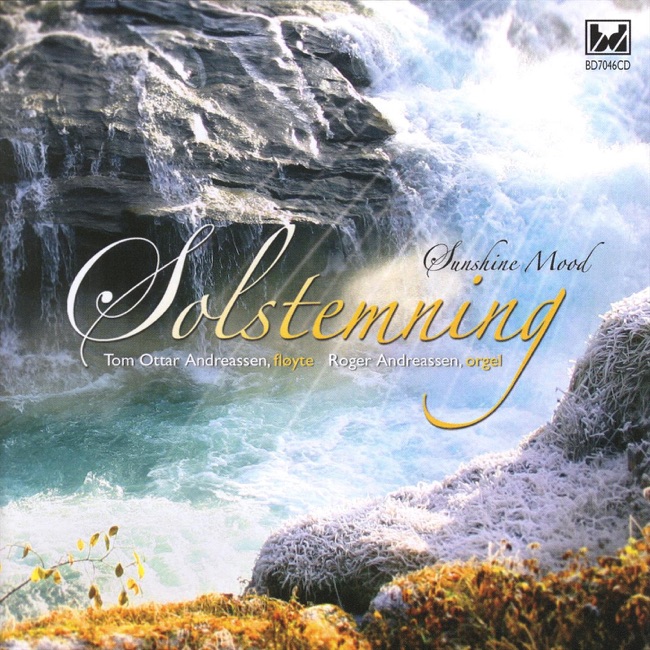 November 22, 2006
Artist Info
Role:ComposerCountry: NorwayBirth:May 25, 1889 in Bergen, NorwayDeath:January 10, 1972 in Bergen, NorwayGenre:VocalSverre Jordan was a Norwegian composer who lived from 1889 to 1972. He was born in the town of Bergen, Norway, and grew up in a family of musicians. His father was a violinist and his mother was a pianist, and they both encouraged Sverre to pursue music from a young age. Sverre began his musical education at the Bergen Conservatory, where he studied piano and composition. He later continued his studies in Berlin, where he was exposed to the music of the German Romantics and the Second Viennese School. These influences would shape his compositional style for the rest of his life. In 1914, Sverre returned to Norway and began working as a music teacher and composer. He quickly gained a reputation as one of Norway's most promising young composers, and his works were performed by some of the country's leading orchestras and ensembles. One of Sverre's early works was his Piano Sonata No. 1, which he composed in 1916. The piece is notable for its use of chromaticism and dissonance, which were relatively new techniques in Norwegian music at the time. The sonata was well-received by audiences and critics alike, and it helped establish Sverre as a leading figure in the Norwegian music scene. In the 1920s, Sverre began to experiment with more avant-garde techniques, such as serialism and atonality. His String Quartet No. 1, composed in 1923, is a prime example of this style. The piece is characterized by its angular melodies, dissonant harmonies, and complex rhythms. While some critics found the work difficult to listen to, others praised it for its originality and daring. Sverre's most famous work is his Symphony No. 1, which he composed in 1932. The symphony is a large-scale work that showcases Sverre's mastery of orchestration and his ability to create powerful emotional effects through music. The piece is divided into four movements, each of which explores a different mood or theme. The symphony was an instant success and has remained a staple of the Norwegian orchestral repertoire ever since. In the 1940s, Sverre's music took on a more introspective and personal tone. His String Quartet No. 2, composed in 1945, is a haunting and melancholy work that reflects the composer's feelings of isolation and despair during the difficult years of World War II. The quartet is notable for its use of extended techniques, such as sul ponticello and col legno, which create eerie and otherworldly sounds. Sverre continued to compose throughout the rest of his life, but his output slowed down considerably in his later years. He remained active as a teacher and mentor, however, and many of his students went on to become successful composers in their own right. Sverre Jordan's music is characterized by its emotional intensity, its harmonic complexity, and its willingness to experiment with new techniques and forms. He was a pioneer of modernist music in Norway and helped to establish the country as a center of avant-garde music in the early 20th century. His legacy continues to inspire and influence composers in Norway and beyond.More....
Recent Artist Music

Copyright Ⓒ 2013 Davinci Finger. All rights reseved
Service Terms & Policy