


Charles Édouard Lefebvre
Released Album
Chamber
-
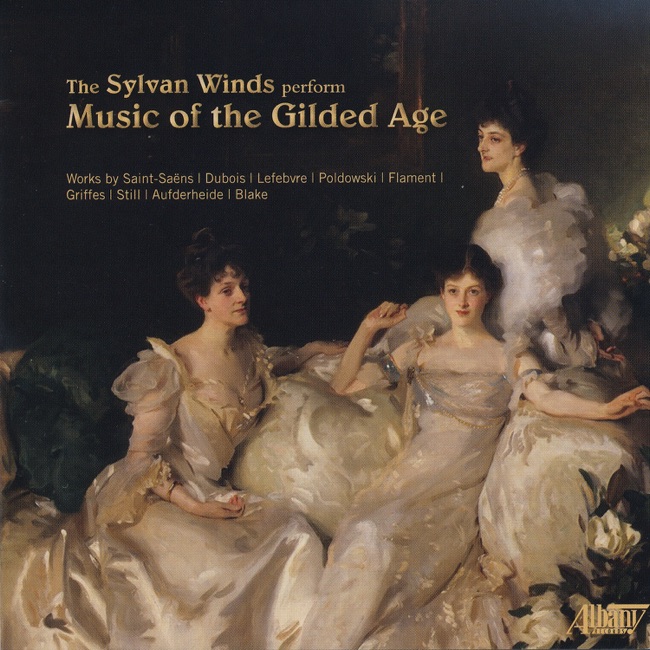 January 8, 2019
 -
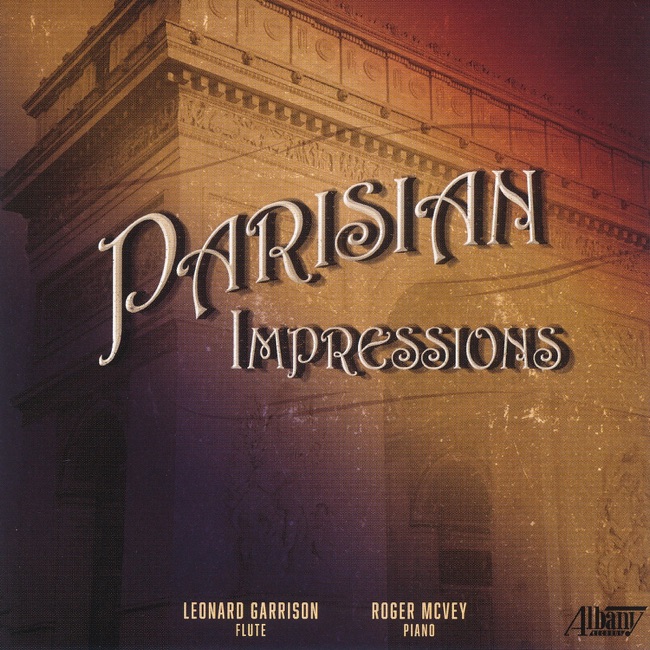 September 8, 2015
 -
 June 23, 2014
 -
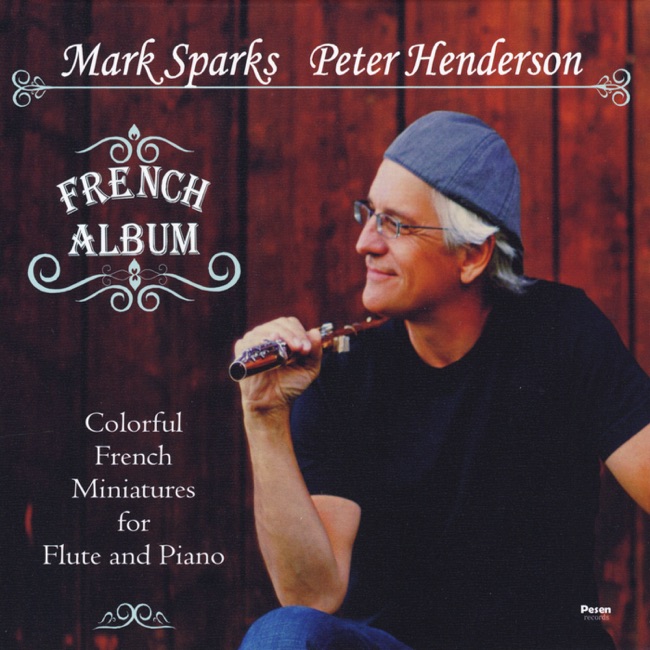 April 15, 2014
 -
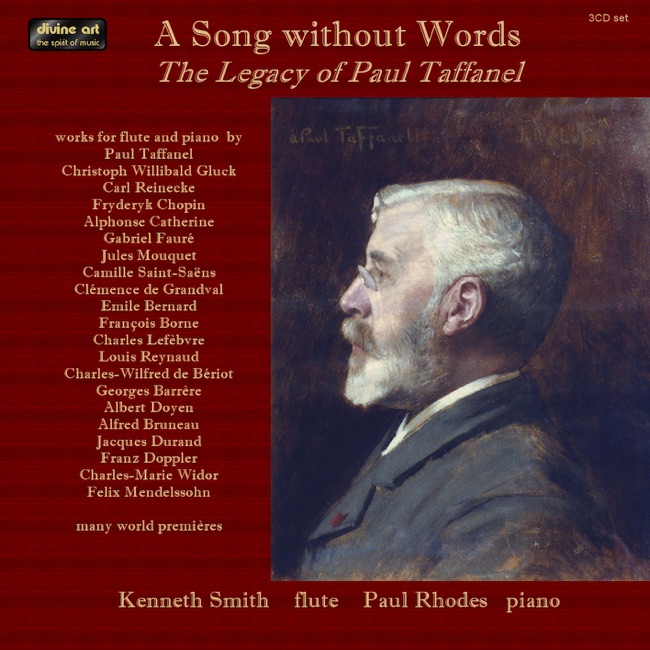 July 10, 2010
 -
Artist Info
Role:ComposerCountry: FranceBirth:June 19, 1843Death:September 8, 1917Period:RomanticGenre:ChamberOperaCharles Édouard Lefebvre was a French composer born on June 17, 1843, in Paris, France. He was the son of a music teacher and grew up in a musical family. His father, Charles Lefebvre, was a well-known flutist and composer, and his mother, Marie-Adélaïde Colin, was a pianist and composer. Lefebvre began his musical education at a young age, studying piano and composition with his mother. He later studied at the Paris Conservatory, where he was a student of Ambroise Thomas and François Bazin. He won the Prix de Rome in 1866 for his cantata "Le Jugement de Dieu," which allowed him to study in Rome for four years. After returning to Paris, Lefebvre began his career as a composer and quickly gained recognition for his works. He was appointed professor of harmony at the Paris Conservatory in 1880, a position he held until his retirement in 1910. He also served as a member of the Académie des Beaux-Arts and was awarded the Legion of Honor in 1900. Lefebvre's compositions were primarily in the Romantic style, and he was known for his skillful orchestration and use of harmony. His works include operas, ballets, symphonies, chamber music, and songs. One of his most famous works is the opera "La Fiancée de Corinthe," which premiered at the Opéra-Comique in 1890. The opera is based on a story by Goethe and tells the tale of a young man who falls in love with a statue. Another notable work by Lefebvre is his ballet "La Péri," which premiered in 1912. The ballet tells the story of a young man who searches for the mythical flower of immortality and encounters a beautiful peri, a supernatural being from Persian mythology. The ballet is known for its lush orchestration and exotic themes. Lefebvre also composed several symphonies, including his Symphony No. 1 in D minor, which premiered in 1877. The symphony is notable for its use of Wagnerian harmonies and its dramatic, sweeping melodies. Lefebvre's chamber music includes several string quartets and a piano trio, which are known for their lyrical melodies and intricate harmonies. In addition to his instrumental works, Lefebvre also composed many songs, which were popular in his time. His songs are known for their simple, elegant melodies and their sensitive settings of French poetry. Lefebvre's music was well-received during his lifetime, and he was considered one of the leading composers of his time. However, his music fell out of favor in the 20th century, and his works are now rarely performed. Despite this, Lefebvre's contributions to French music are significant, and his works remain an important part of the Romantic repertoire.More....
Recent Artist Music
1
6:50
10
2:42
11
6:50

Copyright Ⓒ 2013 Davinci Finger. All rights reseved
Service Terms & Policy