


James Scott Balentine
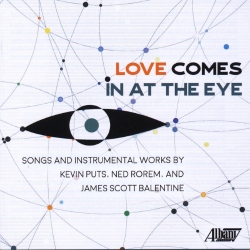
Released Album
Vocal
-
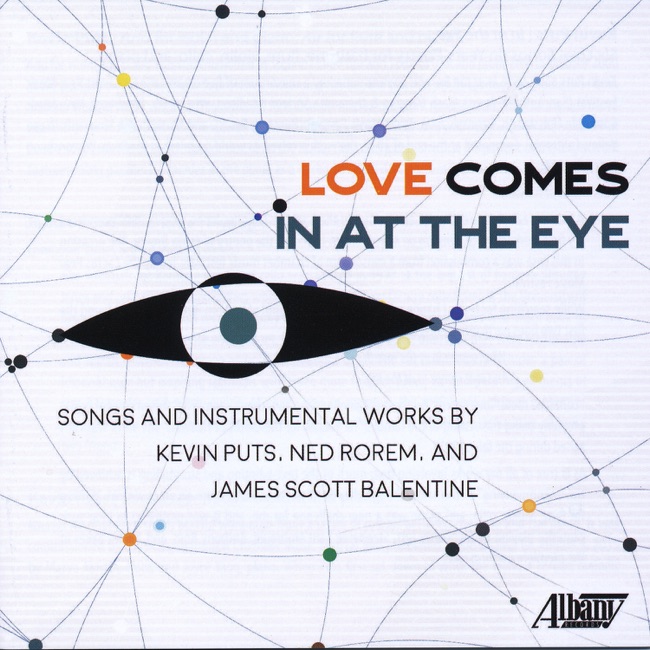 July 23, 2018
 -
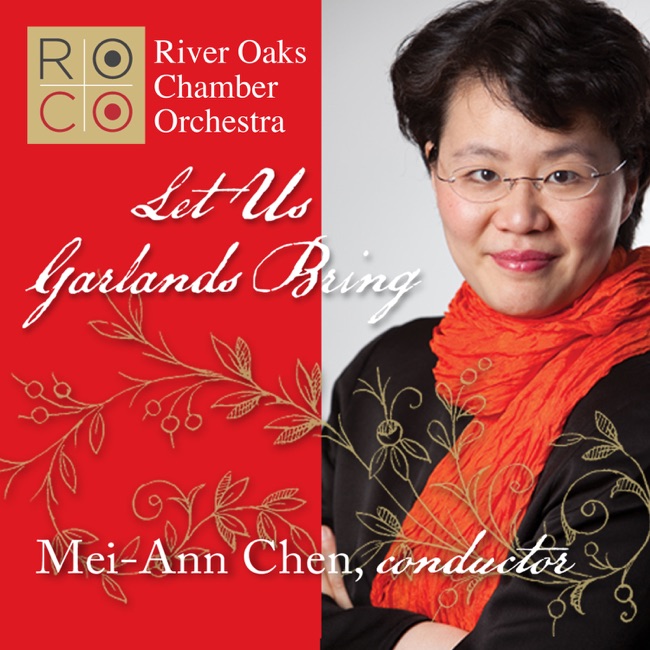 February 1, 2018
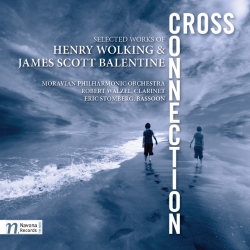
Concerto
-
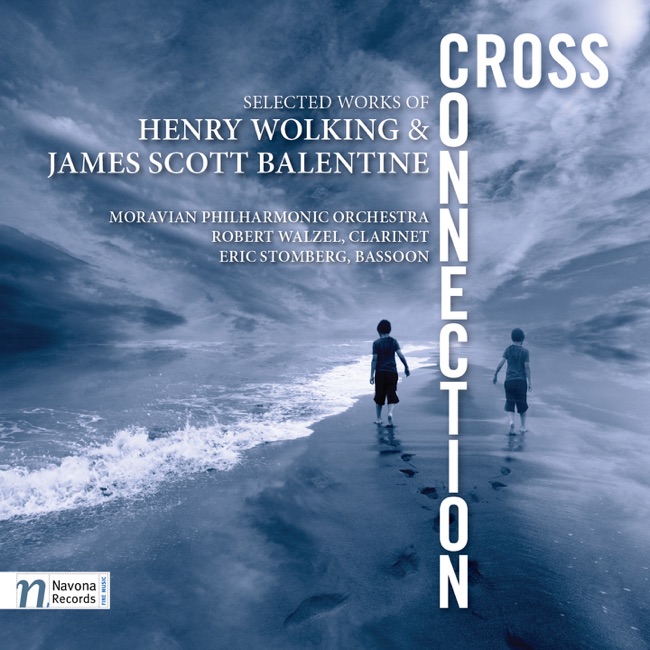 March 5, 2013
Chamber
-
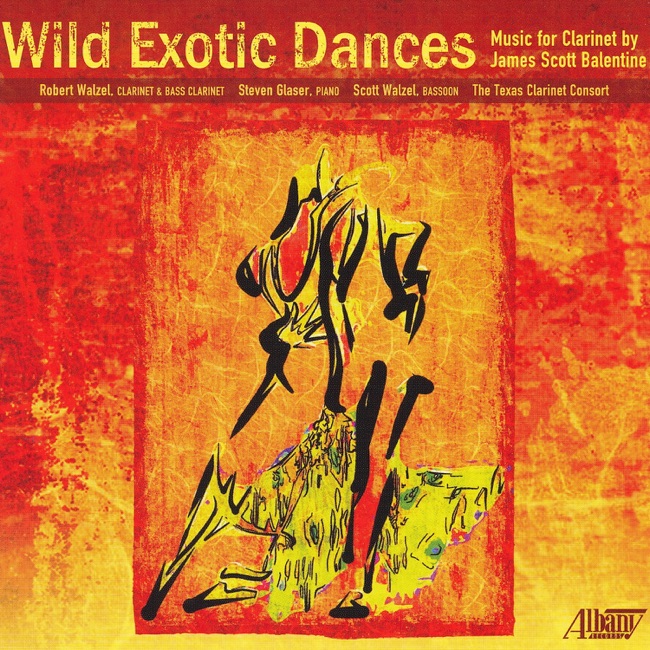 February 3, 2015
Artist Info
Role:ComposerJames Scott Balentine was born on May 12, 1965, in Houston, Texas. He grew up in a musical family, with both his parents being accomplished musicians. His father was a jazz pianist, and his mother was a classical pianist. Balentine started playing the piano at the age of four and showed a natural talent for music. Balentine's parents recognized his talent and encouraged him to pursue music seriously. He started taking piano lessons from his mother and later studied with several renowned pianists. Balentine also learned to play the violin and the cello and became proficient in both instruments. Balentine's early compositions were influenced by the classical music he had been exposed to from an early age. He was particularly drawn to the works of Bach, Mozart, and Beethoven. Balentine's compositions were characterized by their intricate harmonies, complex rhythms, and melodic lines. Balentine attended the University of Houston, where he studied music composition. He also studied with several prominent composers, including Pierre Boulez and John Cage. Balentine's compositions during this period were experimental and avant-garde, reflecting his interest in contemporary music. After completing his studies, Balentine moved to New York City, where he worked as a freelance composer and pianist. He composed music for several off-Broadway productions and collaborated with several choreographers and dancers. Balentine's music during this period was marked by its rhythmic complexity and its use of unconventional instruments and sounds. In the early 1990s, Balentine's music took a more traditional turn. He began to compose more tonal and melodic works, drawing inspiration from the classical music of the past. Balentine's compositions during this period were characterized by their lush harmonies, lyrical melodies, and emotional depth. Balentine's breakthrough came in 1995 when he composed his first symphony, which was premiered by the Houston Symphony Orchestra. The symphony was well-received by critics and audiences alike and established Balentine as a major composer. Balentine's subsequent works, including his second and third symphonies, continued to receive critical acclaim and were performed by orchestras around the world. Balentine's music has been described as "neo-romantic," reflecting his interest in the music of the Romantic era. His compositions are marked by their emotional intensity, lyrical melodies, and lush harmonies. Balentine's music is also characterized by its use of traditional forms, such as the symphony and the concerto, which he has updated and reinterpreted for contemporary audiences. Balentine's most famous works include his Symphony No. 1, Symphony No. 2, and Symphony No. 3. His other notable works include his Piano Concerto, Violin Concerto, and Cello Concerto. Balentine has also composed several chamber works, including his String Quartet No. 1 and his Piano Trio. Balentine's music has been performed by some of the world's leading orchestras, including the New York Philharmonic, the London Symphony Orchestra, and the Berlin Philharmonic. He has also collaborated with several prominent conductors, including Leonard Bernstein, Simon Rattle, and Daniel Barenboim. Balentine has received numerous awards and honors for his contributions to classical music. He has been awarded the Pulitzer Prize for Music, the Grawemeyer Award for Music Composition, and the Kennedy Center Honors.More....
Recent Artist Music

Copyright Ⓒ 2013 Davinci Finger. All rights reseved
Service Terms & Policy