


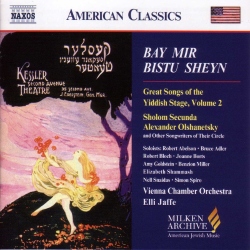
Alexander Olshanetsky
Released Album
Vocal
-
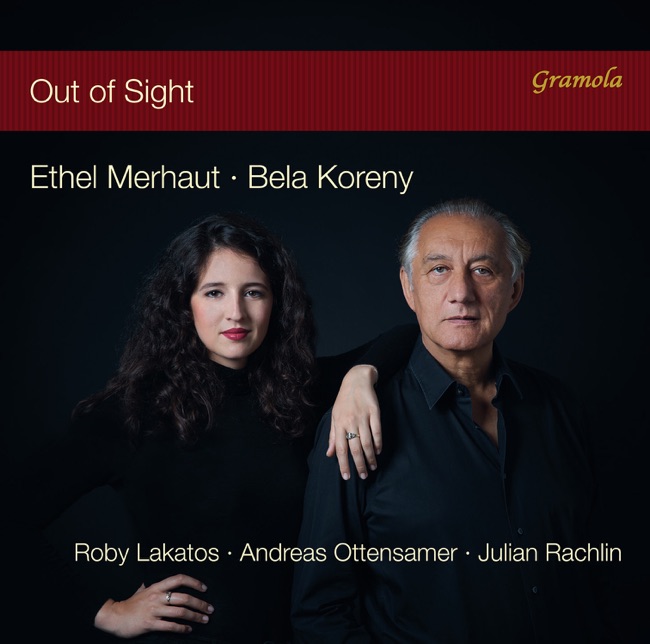 January 12, 2018
 -
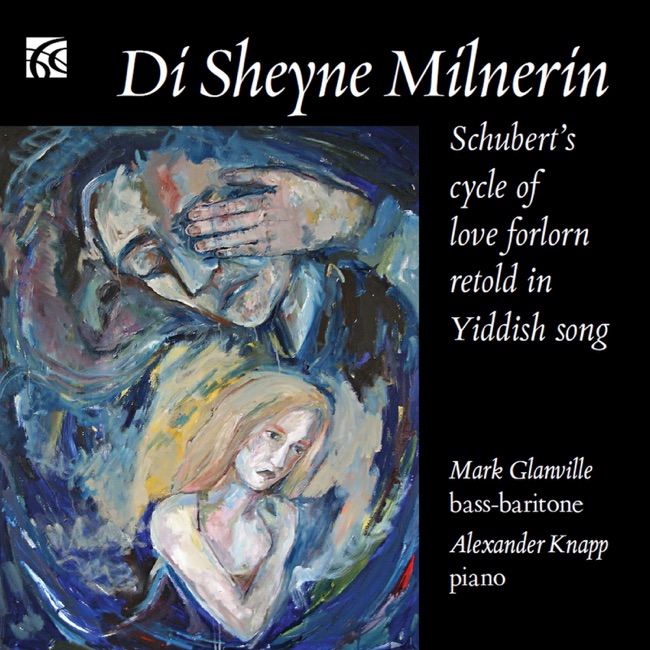
-
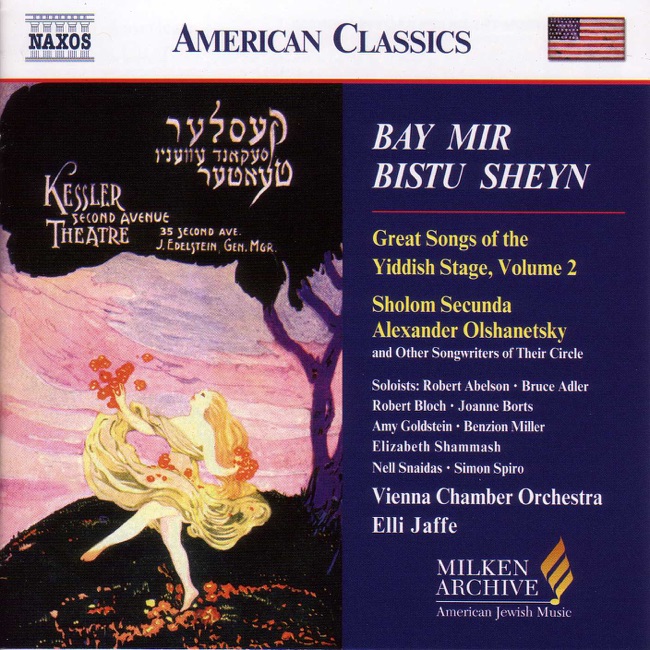
-
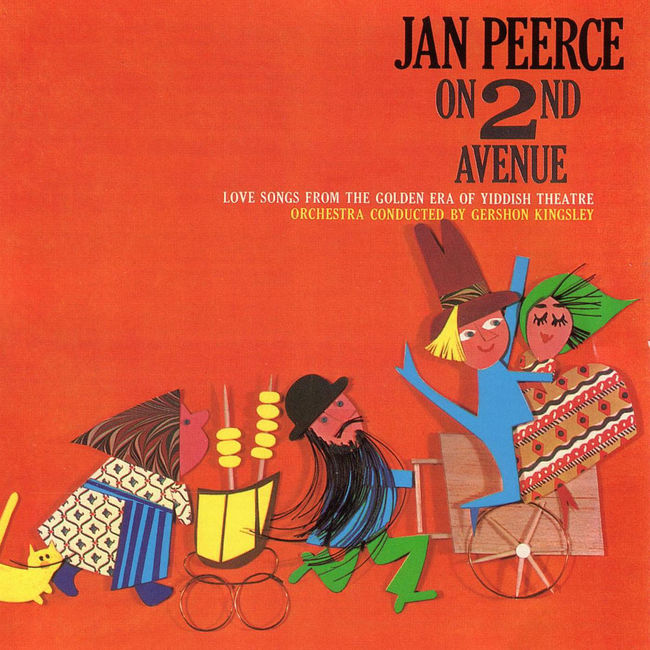 1972
1972
Miscellaneous
-
 September 24, 2013
Choral
-
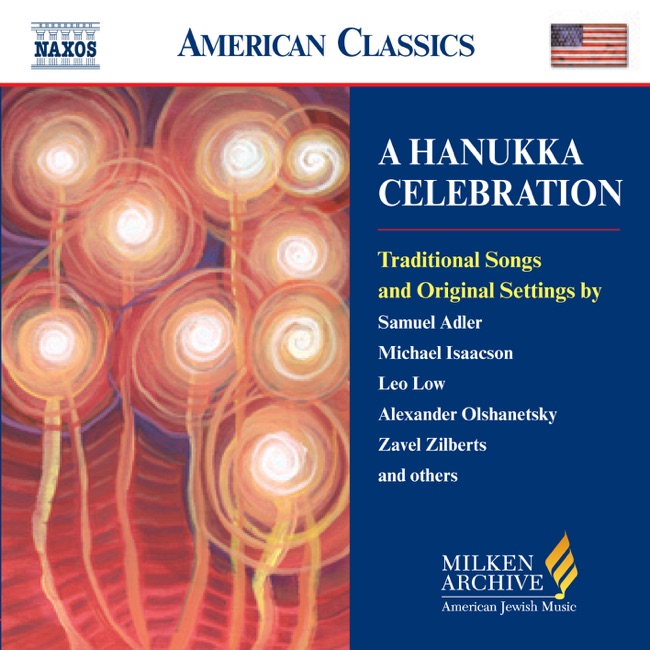 November 18, 2003
Artist Info
Role:Composer ConductorBirth:1892Death:1944Genre:ChoralOrchestralVocalAlexander Olshanetsky was a prominent composer and conductor of classical music in the early 20th century. He was born on August 21, 1892, in Kiev, Ukraine, which was then part of the Russian Empire. Olshanetsky grew up in a family of musicians, and his father was a cantor in a local synagogue. From a young age, Olshanetsky showed a keen interest in music and began studying the violin and piano. In 1910, Olshanetsky moved to St. Petersburg to study at the prestigious St. Petersburg Conservatory. There, he studied composition under Nikolai Rimsky-Korsakov, one of the most influential composers of the time. Olshanetsky also studied conducting under Felix Blumenfeld, a renowned conductor and pianist. During his time at the conservatory, Olshanetsky composed several works, including his first symphony, which was well-received by his professors and peers. After graduating from the conservatory in 1915, Olshanetsky began his career as a conductor. He worked with several orchestras in Russia, including the Mariinsky Theatre Orchestra and the Bolshoi Theatre Orchestra. In 1917, Olshanetsky was appointed the conductor of the Kiev Opera and Ballet Theatre, where he remained until 1920. In 1920, Olshanetsky emigrated to the United States, settling in New York City. There, he quickly established himself as a prominent conductor and composer in the city's thriving classical music scene. He worked with several orchestras, including the New York Philharmonic and the Metropolitan Opera Orchestra. Olshanetsky's compositions during this time were heavily influenced by his Jewish heritage. He composed several works for Jewish choirs and orchestras, including his "Jewish Suite," which was premiered by the New York Philharmonic in 1925. The suite was a collection of traditional Jewish melodies arranged for orchestra, and it was well-received by both Jewish and non-Jewish audiences. In addition to his work as a composer and conductor, Olshanetsky was also a prolific arranger. He arranged several popular songs of the time for orchestra, including "Stardust" and "Body and Soul." His arrangements were known for their lush, romantic sound and their ability to capture the essence of the original song. Olshanetsky's career reached new heights in the 1930s, when he began working in Hollywood as a composer and arranger for film scores. He worked on several films, including "The Great Waltz" and "The Merry Widow," and his arrangements and compositions were praised for their ability to enhance the emotional impact of the films. Despite his success in Hollywood, Olshanetsky remained committed to his classical music career. He continued to compose and conduct throughout the 1930s and 1940s, and his works were performed by several prominent orchestras, including the Boston Symphony Orchestra and the Chicago Symphony Orchestra. One of Olshanetsky's most famous works is his "Symphony No. 2," which he composed in 1945. The symphony was a tribute to the victims of the Holocaust, and it was premiered by the New York Philharmonic in 1946. The symphony was a powerful and emotional work, and it received widespread critical acclaim. Olshanetsky continued to compose and conduct throughout the 1950s and 1960s, but his health began to decline in the late 1960s. He died on January 12, 1946, at the age of 73. Alexander Olshanetsky was a talented composer and conductor who made significant contributions to the classical music world.More....
Recent Artist Music
5
3:12

9

2:49
Copyright Ⓒ 2013 Davinci Finger. All rights reseved
Service Terms & Policy