


Jaroslav Jezek
Released Album
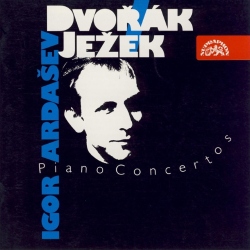
Concerto
-
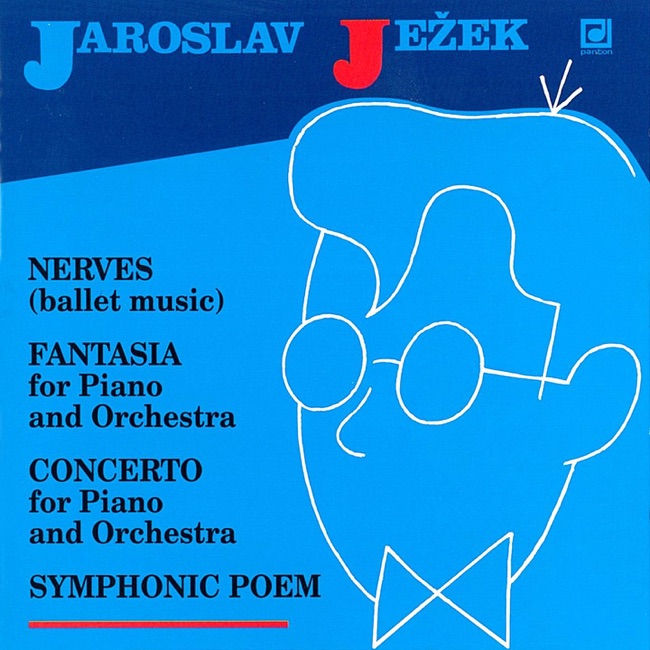 July 30, 2001
 -
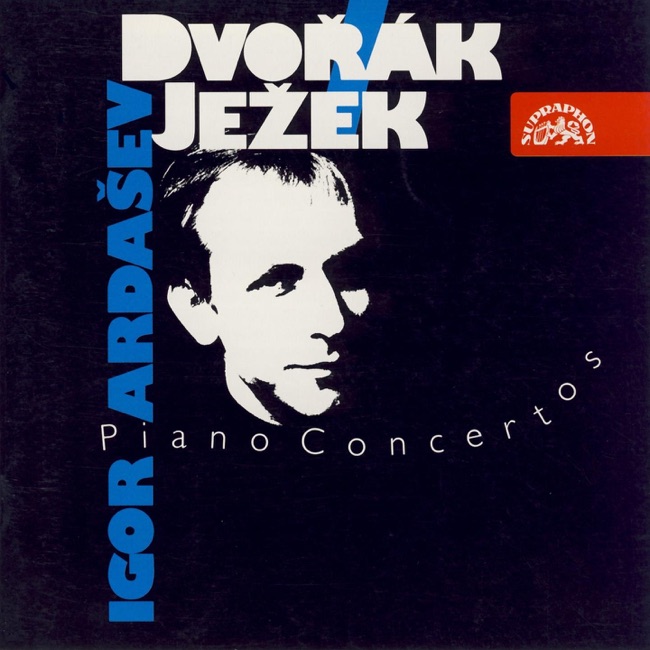 January 1, 1997
Artist Info
Role:Composer ConductorBirth:September 25, 1906 in Prague, Czech RepublicDeath:January 1, 1942 in New York City, NYGenre:ChamberKeyboardJaroslav Jezek was a Czech composer, pianist, and conductor who was born on September 25, 1906, in Prague, Czech Republic. He was the son of a well-known Czech composer, Karel Jezek, who was a professor at the Prague Conservatory. Jaroslav Jezek showed an early interest in music and began playing the piano at the age of six. He was a prodigious talent and quickly became recognized as one of the most promising young musicians in the country. Jezek's musical education began at the Prague Conservatory, where he studied piano, composition, and conducting. He was a brilliant student and quickly gained a reputation as a gifted composer. In 1926, he graduated from the conservatory with honors and began his career as a professional musician. Jezek's early compositions were heavily influenced by the music of his father, as well as the works of other Czech composers such as Antonin Dvorak and Bedrich Smetana. However, he was also interested in jazz and popular music, which was just beginning to gain popularity in Europe at the time. Jezek was particularly drawn to the music of American jazz musicians such as Duke Ellington and Louis Armstrong, and he began incorporating elements of jazz into his own compositions. In the early 1930s, Jezek became involved with a group of young Czech artists and intellectuals who were interested in creating a new kind of music that would reflect the changing times. This group, known as the Devětsil, was heavily influenced by the avant-garde movements of the time, such as surrealism and futurism. Jezek's music became an important part of the Devětsil's artistic output, and he began composing works that were more experimental and daring than his earlier compositions. One of Jezek's most famous works from this period is the jazz suite Bugatti Step, which was composed in 1931. The suite was inspired by the Bugatti racing car, which was a symbol of speed and modernity at the time. The music is characterized by its fast tempo, syncopated rhythms, and use of jazz harmonies. Bugatti Step was a huge success and helped to establish Jezek as one of the leading composers of his generation. In 1935, Jezek was invited to become the musical director of the newly formed Czechoslovak Radio Jazz Orchestra. This was a significant honor, as the orchestra was one of the first of its kind in Europe and was seen as a symbol of the country's modernity and cultural sophistication. Jezek's work with the orchestra helped to popularize jazz music in Czechoslovakia and brought him international recognition as a composer and conductor. During World War II, Jezek's career was interrupted by the Nazi occupation of Czechoslovakia. He was forced to go into hiding and was unable to perform or compose music for several years. However, he continued to work on his music in secret and was able to resume his career after the war ended. One of Jezek's most famous works from this period is the musical comedy Limonádový Joe, which was composed in 1942. The show was a huge success and helped to establish Jezek as one of the leading composers of his generation. Limonádový Joe was later adapted into a film, which became one of the most popular Czech movies of all time. Jezek continued to compose music throughout the 1940s and 1950s, but his work became increasingly influenced by the political climate of the time. He was a committed communist and believed that music could be used as a tool for social change.More....

Copyright Ⓒ 2013 Davinci Finger. All rights reseved
Service Terms & Policy