


Dorian Le Gallienne
Released Album
Vocal
-
 May 5, 2017
 -
 May 6, 2016
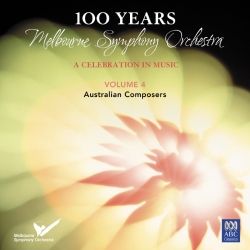
Orchestral
-
 June 1, 2007
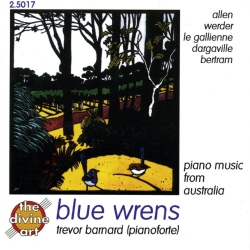
Keyboard
-
 November 30, 2004
Choral
-
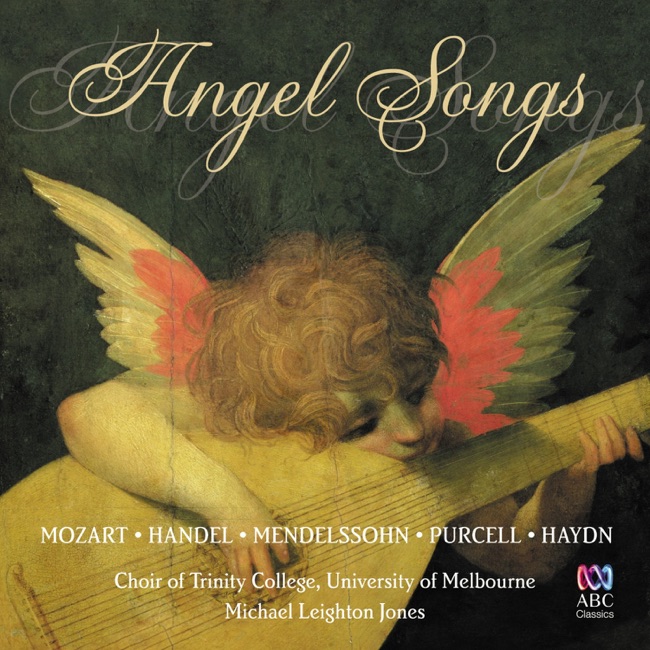 January 1, 2010
Artist Info
Role:ComposerCountry: AustraliaBirth:1915 in Melbourne, AustraliaDeath:1963Dorian Le Gallienne was a British composer and pianist who lived from 1885 to 1962. He was born in London to a family of musicians, with his father being a conductor and his mother a singer. From a young age, Le Gallienne showed a natural talent for music and began studying piano and composition at the Royal Academy of Music in London. Le Gallienne's early compositions were heavily influenced by the Romantic era, with lush harmonies and sweeping melodies. He was also interested in the music of the Impressionist composers, particularly Debussy and Ravel, and incorporated their use of color and texture into his own works. In 1910, Le Gallienne moved to Paris to study with the renowned composer Gabriel Fauré. While in Paris, he became involved with the city's vibrant artistic community, which included writers, painters, and musicians. He also began to experiment with new musical forms, such as the ballet and the film score. One of Le Gallienne's most notable works from this period is his ballet "The Faun," which was inspired by the poem "L'après-midi d'un faune" by Stéphane Mallarmé. The ballet premiered in Paris in 1912 and was praised for its innovative use of rhythm and harmony. During World War I, Le Gallienne returned to England and served in the army. After the war, he continued to compose and perform, and became known for his collaborations with other artists, including the poet W.B. Yeats and the dancer Isadora Duncan. In the 1920s and 1930s, Le Gallienne's music began to reflect the changing times, with a greater emphasis on dissonance and experimentation. He also became interested in incorporating elements of folk music into his compositions, particularly the music of Ireland and Scotland. One of Le Gallienne's most famous works from this period is his "Scottish Suite," which was inspired by his travels to Scotland and incorporates traditional Scottish melodies and rhythms. The suite was premiered in 1933 and was well-received by audiences and critics alike. In addition to his work as a composer, Le Gallienne was also a respected pianist and performed extensively throughout his career. He was known for his sensitive interpretations of the works of Chopin and Debussy, as well as his own compositions. Le Gallienne's later works, written in the 1940s and 1950s, were more introspective and reflective, with a greater emphasis on melody and harmony. He also began to incorporate elements of jazz into his music, particularly in his piano works. One of Le Gallienne's final works was his "Piano Sonata No. 2," which was completed in 1958. The sonata is a deeply personal work, reflecting the composer's own struggles with aging and mortality. Dorian Le Gallienne died in 1962 at the age of 77. He left behind a legacy of innovative and expressive music, which continues to be performed and studied today. His contributions to the world of classical music, particularly in the areas of ballet and film music, have had a lasting impact on the art form.More....
Copyright Ⓒ 2013 Davinci Finger. All rights reseved
Service Terms & Policy