


Enrique Jorrín
Released Album
Miscellaneous
-
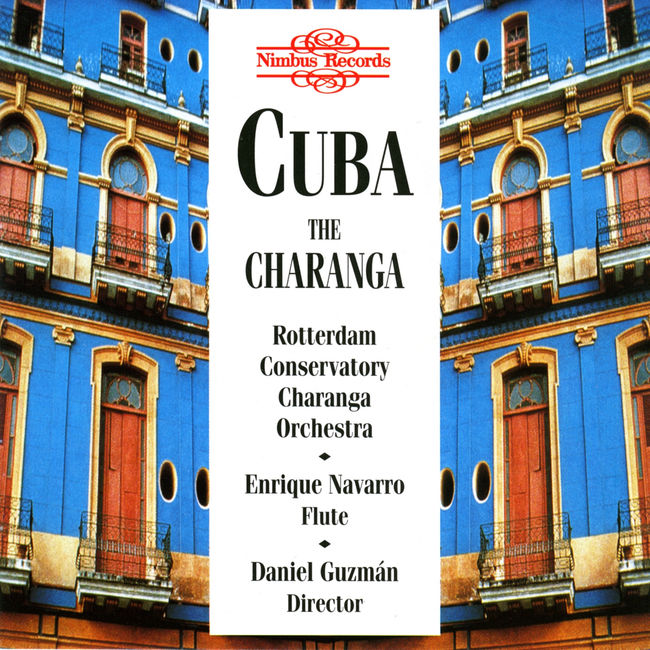 November 25, 1997
Chamber
-
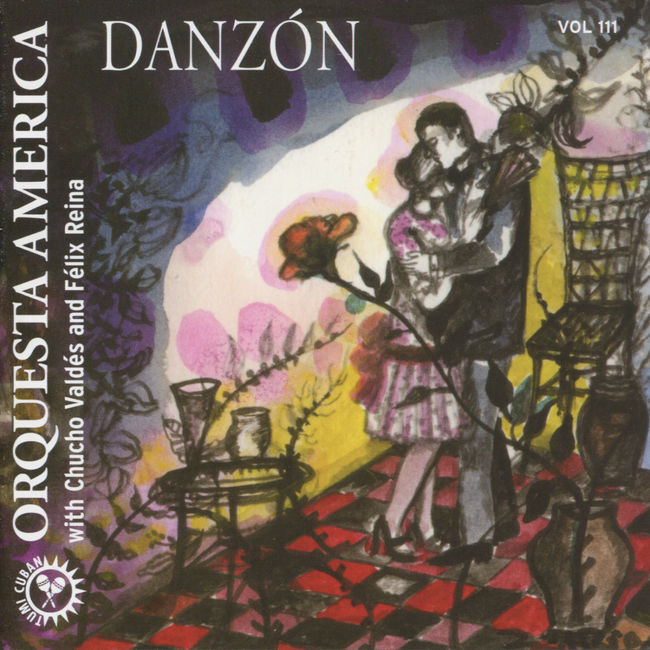 April 19, 2004
Artist Info
Role:ComposerCountry: CubaBirth:1926Enrique Jorrín was a Cuban violinist and composer who is best known for his contributions to the development of the cha-cha-cha, a popular dance style that emerged in Cuba in the 1950s. Born on December 25, 1926, in the town of Candelaria, Jorrín grew up in a musical family and began playing the violin at a young age. His father was a violinist and his mother was a pianist, and they encouraged their son's musical interests from an early age. Jorrín's musical education began at the Conservatorio Municipal de Música in Havana, where he studied violin and music theory. He later went on to study at the National Conservatory of Music in Havana, where he honed his skills as a performer and composer. During this time, Jorrín became interested in the traditional music of Cuba, particularly the danzón, a popular dance style that originated in the late 19th century. In the 1940s, Jorrín began performing with various orchestras in Havana, including the Orquesta América and the Orquesta Aragón. He quickly gained a reputation as a talented violinist and arranger, and his compositions began to attract attention as well. In 1951, Jorrín composed a piece called "La Engañadora," which featured a new rhythm that he called the "danzón-cha." This rhythm was a fusion of the traditional danzón rhythm with elements of the mambo and other Afro-Cuban rhythms. The success of "La Engañadora" led Jorrín to continue experimenting with this new rhythm, and he began composing more pieces that featured the danzón-cha. In 1953, he composed "El Bodeguero," which became one of his most famous compositions and a classic of the cha-cha-cha genre. The song was an instant hit in Cuba and quickly spread throughout Latin America and beyond. Jorrín continued to compose and perform throughout the 1950s and 1960s, and his music became synonymous with the cha-cha-cha. He recorded numerous albums and toured extensively, both in Cuba and abroad. In addition to his work as a composer and performer, Jorrín was also a respected music educator and served as a professor at the National School of Art in Havana. Despite his success, Jorrín remained humble and dedicated to his craft throughout his life. He continued to compose and perform until his death in 1987, leaving behind a legacy as one of the most important figures in the history of Cuban music. His contributions to the development of the cha-cha-cha and his innovative approach to traditional Cuban music have had a lasting impact on the world of music, and his music continues to be enjoyed by audiences around the world.More....
Recent Artist Music
Copyright Ⓒ 2013 Davinci Finger. All rights reseved
Service Terms & Policy