


Johann Gustav Eduard Stehle
Released Album
Keyboard
-
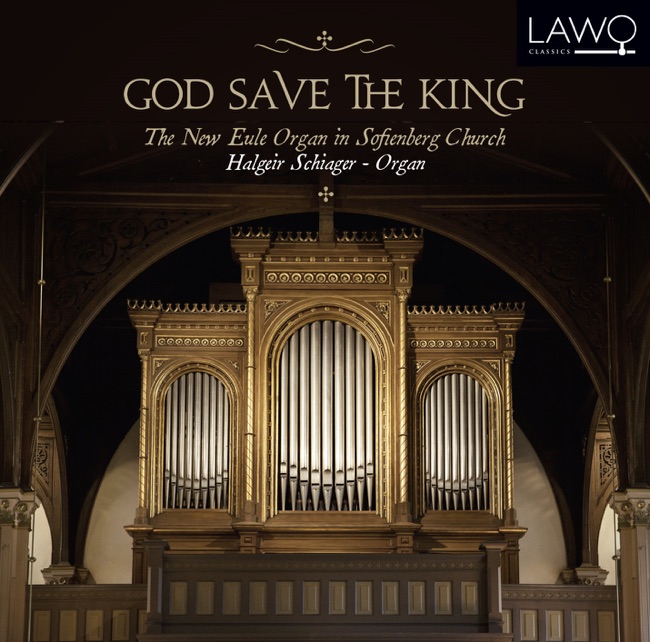 January 6, 2017
 -
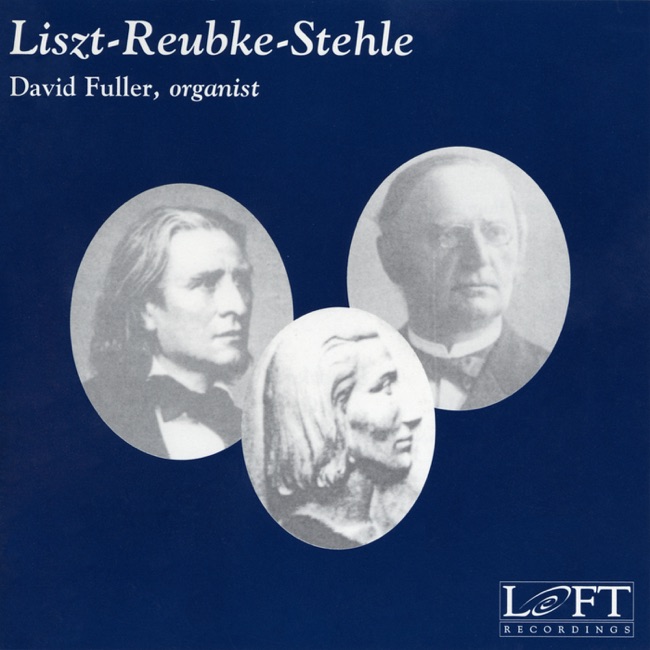 April 3, 2001
Artist Info
Role:ComposerBirth:February 17, 1839Death:June 21, 1915Genre:ChoralKeyboardJohann Gustav Eduard Stehle was a German composer and conductor who lived from 1839 to 1915. He was born in the town of Tübingen, located in the southwestern region of Germany. Stehle was the son of a music teacher, and he began his musical education at a young age. He showed a natural talent for music, and his father recognized this early on. Stehle's father provided him with a solid foundation in music theory and composition, and he encouraged his son to pursue a career in music. Stehle's early musical education was focused on the piano, and he quickly became proficient in playing the instrument. He also showed an interest in composition, and he began writing his own music at a young age. Stehle's father recognized his son's talent and arranged for him to study with some of the best music teachers in the region. Stehle studied with the composer and conductor Franz Lachner, who was a prominent figure in the music scene in Munich at the time. Stehle's musical education continued in Munich, where he studied at the Royal Conservatory of Music. He studied composition with Joseph Rheinberger, who was one of the most respected composers of the time. Stehle also studied conducting with Hermann Levi, who was the conductor of the Munich Court Opera. Stehle's time in Munich was a formative period in his musical development, and he was exposed to a wide range of musical styles and traditions. After completing his studies in Munich, Stehle began his career as a conductor. He worked in a number of different cities throughout Germany, including Stuttgart, Frankfurt, and Berlin. Stehle was known for his ability to bring out the best in his musicians, and he was highly respected by his colleagues in the music world. Stehle's compositions were influenced by a number of different musical traditions. He was particularly interested in the music of the Romantic period, and he was influenced by composers such as Wagner, Brahms, and Schumann. Stehle's music was characterized by its rich harmonies and complex textures. He was also known for his use of orchestration, and he was skilled at creating a wide range of sounds and colors with his music. Stehle's most famous work is his Symphony No. 1 in D minor, which was composed in 1876. The symphony is a large-scale work that is characterized by its dramatic and emotional themes. The first movement of the symphony is particularly powerful, with its sweeping melodies and lush harmonies. The second movement is more introspective, with a hauntingly beautiful melody that is played by the strings. The third movement is a lively scherzo, while the final movement is a triumphant finale that brings the symphony to a rousing conclusion. In addition to his symphonies, Stehle also composed a number of other works, including chamber music, choral music, and operas. His chamber music is particularly noteworthy, and he was known for his ability to create intricate and complex textures with his music. His choral music was also highly regarded, and he was known for his ability to create powerful and emotional works that were well-suited for large choirs. Stehle's operas were also well-received, and he was known for his ability to create compelling characters and dramatic storylines. His most famous opera is "Die Loreley," which was composed in 1888. The opera is based on the legend of the Lorelei, a mythical creature who lures sailors to their deaths with her beautiful singing.More....
Recent Artist Music
Copyright Ⓒ 2013 Davinci Finger. All rights reseved
Service Terms & Policy