


Juan Arañés
Released Album
Miscellaneous
-
 July 30, 2002
 -
 January 1, 1997
Vocal
-
 November 12, 2013
Chamber
-
 August 12, 2023
Artist Info
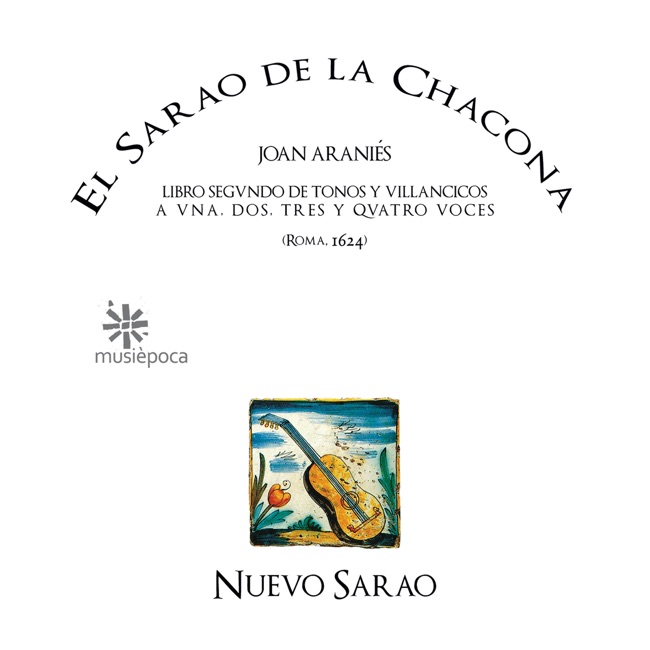
Role:ComposerDeath:1649Juan Arañés was a Spanish composer and musician who lived during the Renaissance period. He was born in Burgos, Spain, in the early 16th century, and little is known about his early life and education. However, it is believed that he received his musical training in the Spanish court, where he worked as a musician and composer. Arañés is best known for his contribution to the development of Spanish Renaissance music. He was one of the most important composers of his time, and his works were widely performed and admired throughout Spain and Europe. His music was characterized by its rich harmonies, intricate rhythms, and expressive melodies, which reflected the cultural and musical traditions of Spain. Arañés' most famous work is the collection of songs and dances known as "Cancionero de Upsala," which was published in 1556. This collection contains over 400 pieces of music, including villancicos, romances, and other popular songs of the time. The "Cancionero de Upsala" is considered one of the most important collections of Spanish Renaissance music, and it is still studied and performed by musicians today. One of the highlights of Arañés' career was his appointment as the maestro de capilla (music director) of the Cathedral of Jaén in 1575. This was a prestigious position, and it gave Arañés the opportunity to compose music for the cathedral's choir and to work with some of the most talented musicians of his time. During his tenure at the cathedral, Arañés composed a number of sacred works, including masses, motets, and hymns. Arañés' music was also influenced by the popular music of his time, particularly the music of the Spanish court. He was known for his skill in adapting popular songs and dances into his compositions, and his music often featured lively rhythms and catchy melodies. Some of his most popular works include "Un sarao de la chacona," "La moza que tiene amor," and "Convidando está la noche." Despite his success as a composer, Arañés' life was not without its challenges. He lived during a time of political and religious upheaval in Spain, and his music was often subject to censorship and criticism. In addition, he struggled with financial difficulties throughout his career, and he was forced to rely on the patronage of wealthy individuals and institutions to support his work. Despite these challenges, Arañés continued to compose music throughout his life, and his legacy has endured to the present day. His music remains an important part of the Spanish Renaissance tradition, and it continues to inspire and delight musicians and audiences around the world.More....
Recent Artist Music



Copyright Ⓒ 2013 Davinci Finger. All rights reseved
Service Terms & Policy