


Piæ Cantiones Anonymous
Released Album
Miscellaneous
-
 March 1, 2012
 -
 November 14, 2011
 -
 July 13, 2007
 -
 September 27, 1994
 -
 January 1, 1992
Choral
-
 December 13, 2011
 -
 December 13, 2011
Artist Info
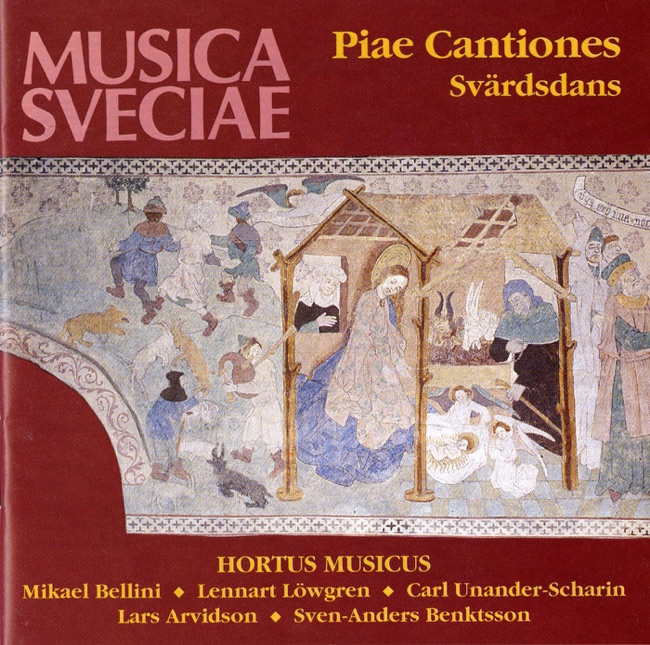
Role:ComposerBirth:1582Piæ Cantiones Anonymous is a composer of classical music whose birth and life remain shrouded in mystery. The name "Piæ Cantiones" translates to "Pious Songs" in Latin, and the composer is believed to have lived in the late medieval period, around the 16th century. The composer's works are primarily vocal, and they are known for their religious themes and their use of Latin lyrics. The origins of Piæ Cantiones Anonymous are unclear, but it is believed that the composer was likely a member of the clergy or a musician associated with a church. The composer's works were published in a collection of the same name, "Piæ Cantiones," which was first printed in 1582 in Sweden. The collection was compiled by a Finnish bishop named Jaakko Suomalainen, who had studied music in Germany and was familiar with the works of many European composers. The "Piæ Cantiones" collection contains 74 songs, all of which are written in Latin. The songs are primarily vocal, with some instrumental accompaniment. The collection includes a variety of musical styles, including hymns, carols, and songs for the liturgy. The songs are arranged in order of the liturgical year, with songs for Advent, Christmas, Lent, Easter, and other holy days. One of the most famous songs in the "Piæ Cantiones" collection is "Tempus Adest Floridum," also known as "Good King Wenceslas." The song tells the story of a king who goes out on a cold winter's night to give alms to a poor man. The song has become a popular Christmas carol and has been recorded by many artists over the years. Another notable song in the collection is "Gaudete," which is a hymn for Advent. The song is known for its lively melody and its use of a refrain in which the singers shout "Gaudete!" The song has become a popular Christmas carol and has been recorded by many artists, including the folk group Steeleye Span. The "Piæ Cantiones" collection was not widely known outside of Scandinavia until the 19th century, when it was rediscovered by scholars and musicians. The collection was republished in 1853 by a Finnish musicologist named Zacharias Topelius, who added new harmonies and arrangements to the songs. The collection was also translated into English by John Mason Neale, a British clergyman and hymn writer, who published a collection of the songs in 1853 under the title "Carols for Christmas-tide." Today, the music of Piæ Cantiones Anonymous continues to be performed and recorded by choirs and musicians around the world. The composer's works are known for their simple beauty and their timeless themes of faith and devotion. Despite the mystery surrounding the composer's life, the music of Piæ Cantiones Anonymous remains a testament to the enduring power of classical music.More....
Recent Artist Music
2
3:53
7
3:19
8

1:59

Copyright Ⓒ 2013 Davinci Finger. All rights reseved
Service Terms & Policy