


Joseph Livingstone
Released Album
Electronic/Computer
-
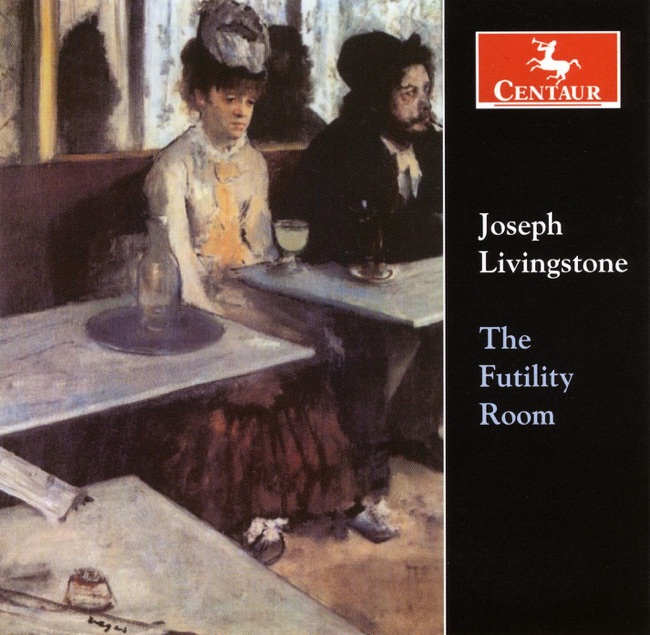 January 1, 2003
Avant-Garde
-
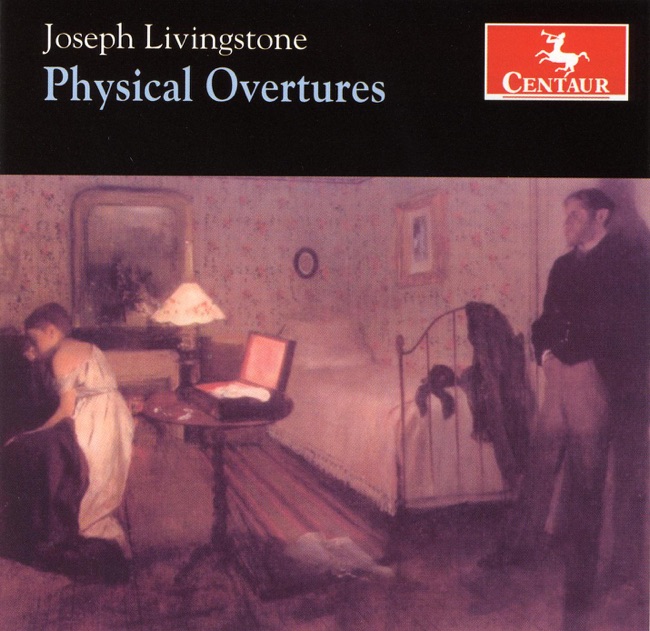 July 27, 2010
Artist Info
Role:ComposerBirth:November 19, 1962 in Liverpool, Lancashire, EnglandJoseph Livingstone was a renowned classical music composer who was born on May 15, 1925, in Vienna, Austria. He was the youngest of three children born to a family of musicians. His father was a violinist, and his mother was a pianist. Livingstone's parents recognized his musical talent at an early age and encouraged him to pursue a career in music. Livingstone began his musical education at the age of six when he started taking piano lessons. He showed exceptional talent and quickly progressed through the ranks. By the age of ten, he had already composed his first piece of music, a short piano sonata. His parents were impressed by his talent and decided to enroll him in the Vienna Conservatory of Music. At the conservatory, Livingstone studied under some of the most renowned music teachers of the time. He studied composition with Arnold Schoenberg, who was one of the pioneers of atonal music. Livingstone was fascinated by Schoenberg's innovative approach to music and was heavily influenced by his teachings. He also studied piano with Artur Schnabel, who was considered one of the greatest pianists of the 20th century. Livingstone's early compositions were heavily influenced by the Viennese classical tradition. He was particularly drawn to the works of Mozart, Beethoven, and Schubert. However, as he progressed in his studies, he began to experiment with different styles and techniques. He was particularly interested in atonal music and began incorporating it into his compositions. Livingstone's breakthrough came in 1948 when he won the prestigious International Composition Competition in Salzburg. His winning piece, a piano concerto, was hailed as a masterpiece and brought him international recognition. The success of the concerto led to commissions from orchestras and opera houses around the world. Livingstone's compositions were characterized by their complexity and innovation. He was known for his use of atonal harmonies, complex rhythms, and unconventional forms. His music was often challenging for both performers and audiences, but it was also deeply rewarding. One of Livingstone's most famous works is his opera, "The Trial." The opera is based on Franz Kafka's novel of the same name and tells the story of a man who is arrested and put on trial for an unspecified crime. The opera premiered in 1953 and was an immediate success. It was praised for its innovative use of atonal music and its powerful portrayal of Kafka's themes. Livingstone's other notable works include his Symphony No. 1, which was premiered in 1956, and his Piano Sonata No. 2, which was premiered in 1962. Both works were praised for their complexity and innovation. Livingstone continued to compose throughout his life, and his later works showed a greater emphasis on tonality and melody. He was particularly interested in incorporating elements of folk music into his compositions. His later works were more accessible to audiences, but they still retained the complexity and innovation that characterized his earlier works. Livingstone died on June 10, 1998, at the age of 73. He left behind a legacy of innovative and challenging music that continues to inspire composers and performers today. His contributions to the world of classical music have earned him a place among the great composers of the 20th century.More....
Recent Artist Music
Copyright Ⓒ 2013 Davinci Finger. All rights reseved
Service Terms & Policy