


Marchetto Cara
Released Album
Vocal
-
 May 7, 2021
 -
 July 29, 2014
 -
 August 23, 2011
 -
 June 26, 2007
 -
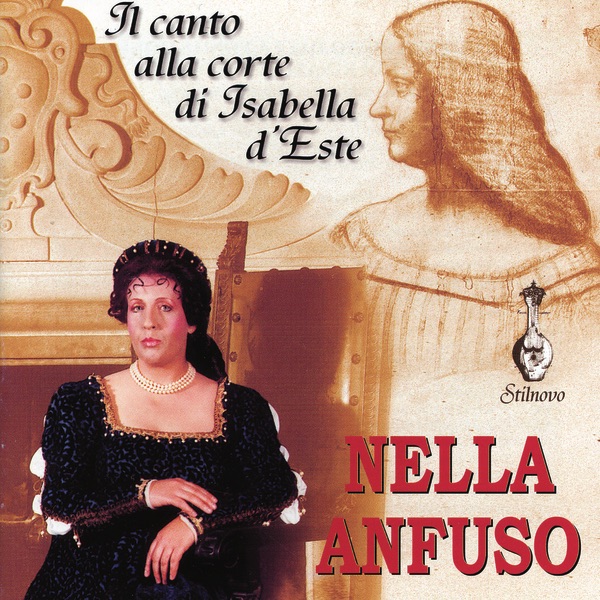 January 18, 2005
 -
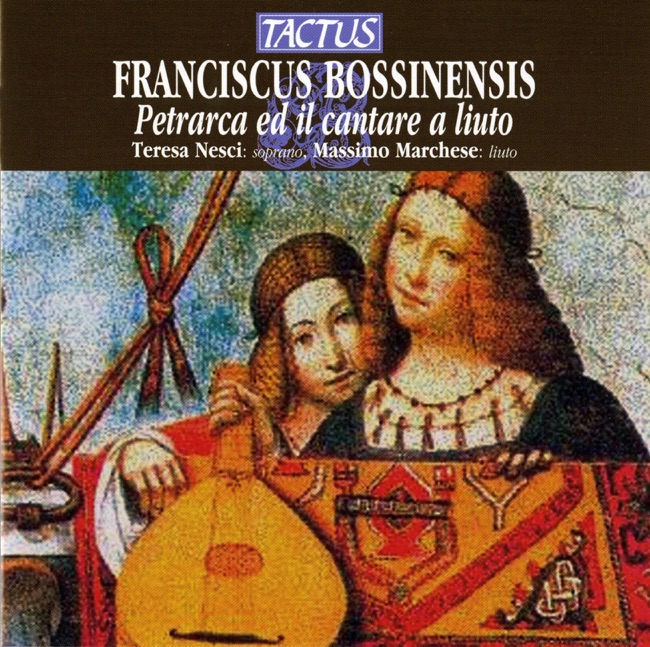 November 2, 2004
Miscellaneous
-
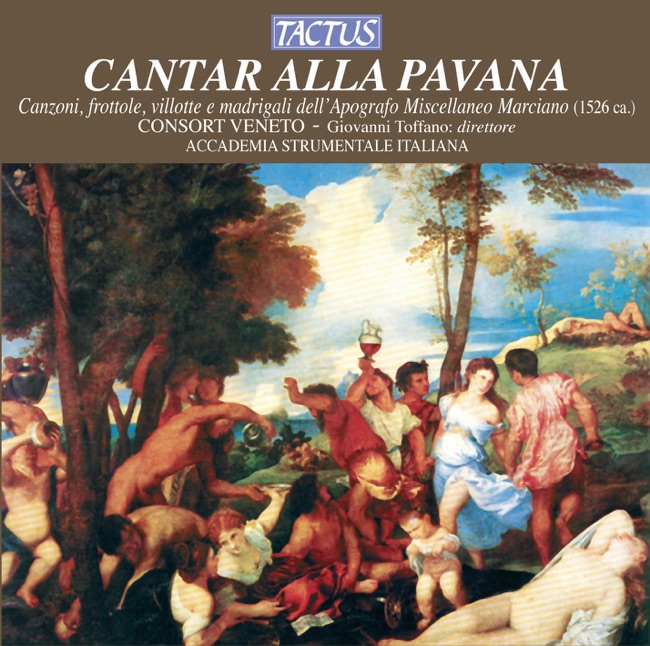 October 1, 2012
 -
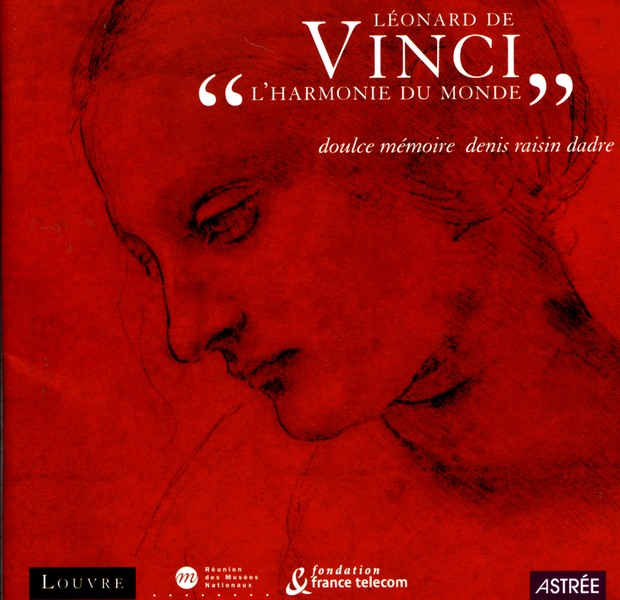 March 16, 2004
 -
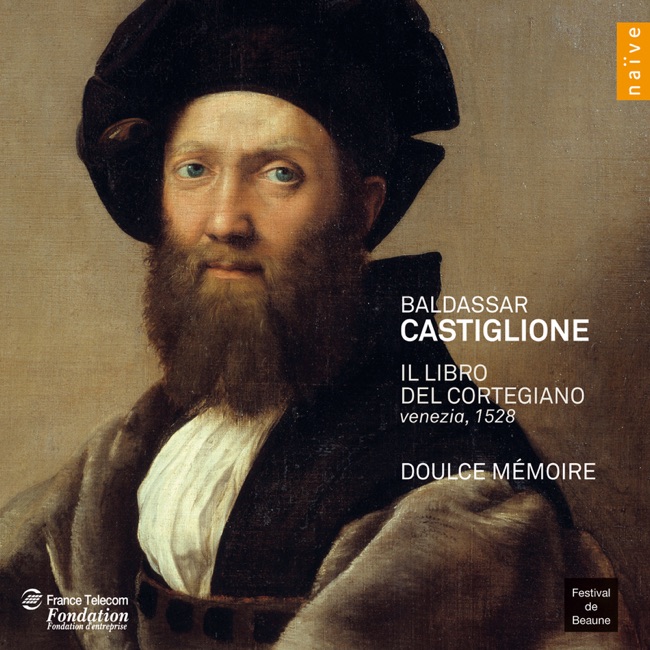 May 9, 1997
 -
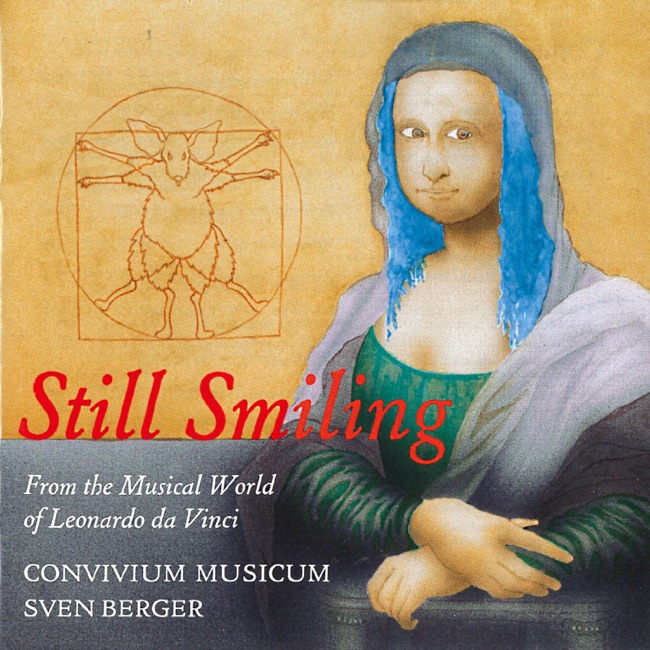 January 1, 1997
Choral
-
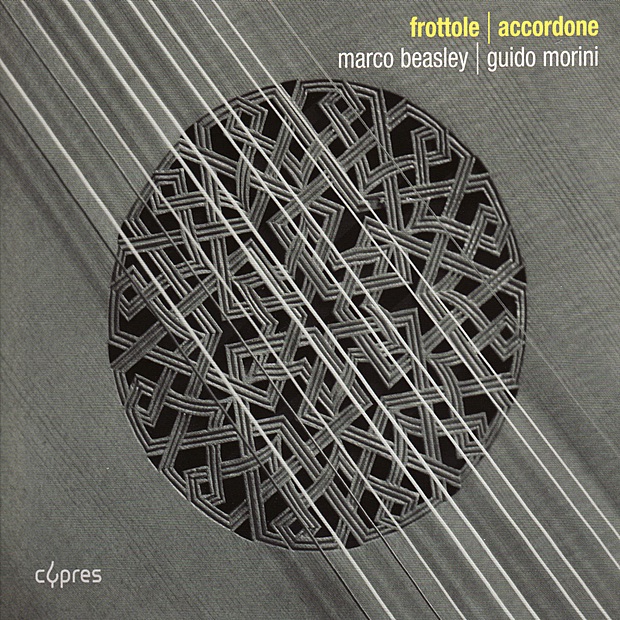 December 27, 2005
Chamber
-
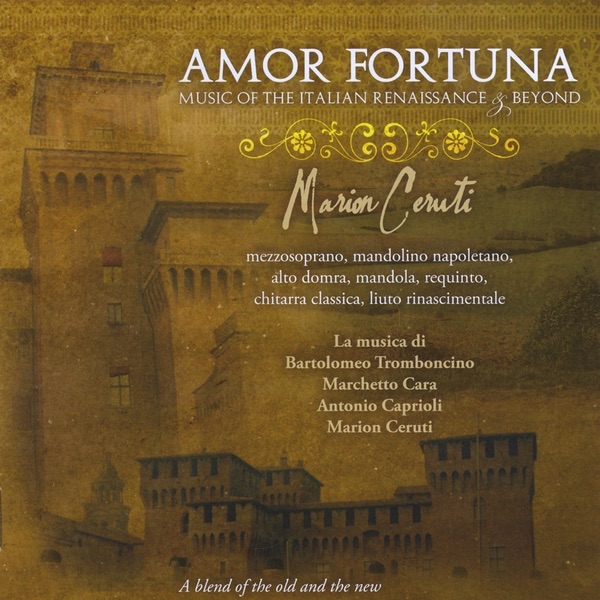 October 30, 2009
Artist Info
Role:ComposerCountry: ItalyBirth:ca. 1465 in Verona, ItalyDeath:1525 in Mantua, Lombardia, ItalyPeriod:RenaissanceGenre:VocalMarchetto Cara was a prominent composer of the Renaissance era, born in Verona, Italy in 1470. He was a contemporary of other famous composers such as Josquin des Prez and Heinrich Isaac. Cara’s life and works are not well-documented, but his music has survived and continues to be performed today. Cara’s early life is largely unknown, but it is believed that he received his musical education in Verona. He likely began his career as a singer, as was common for many composers of the time. He eventually became a member of the papal choir in Rome, where he worked alongside other notable composers such as Giovanni Pierluigi da Palestrina. Cara’s compositions were primarily vocal, and he is known for his madrigals and chansons. His music was characterized by its use of polyphony, or multiple independent melodies sung at the same time. This was a hallmark of Renaissance music, and Cara was a master of the technique. One of Cara’s most famous works is his chanson “Io non compro più speranza,” which translates to “I no longer buy hope.” The piece is a lament about lost love, and is notable for its use of chromaticism, or the use of notes outside of the traditional major and minor scales. This was a daring technique for the time, and shows Cara’s willingness to experiment with new musical ideas. Another notable work by Cara is his madrigal “Ostinato vo’ seguire,” which translates to “I want to follow the ostinato.” The piece is based on a repeating melody, or ostinato, which is sung throughout the entire piece. This was a popular technique in Renaissance music, and Cara’s use of it in this piece is particularly effective. Cara’s music was well-regarded during his lifetime, and he was highly respected by his contemporaries. He was known for his skill as a composer and his ability to create complex and beautiful vocal music. His works were performed throughout Italy and beyond, and he was considered one of the leading composers of his time. Despite his success, Cara’s life was not without its challenges. He lived during a time of great political and religious upheaval, and his music was often subject to censorship and criticism. He also faced personal struggles, including the death of his wife and children. Cara’s legacy as a composer has endured, however, and his music continues to be performed and studied today. His works are considered some of the finest examples of Renaissance vocal music, and his use of polyphony and chromaticism have influenced generations of composers. In conclusion, Marchetto Cara was a talented and innovative composer of the Renaissance era. His music was characterized by its use of polyphony and chromaticism, and he was known for his skill as a composer of vocal music. Despite the challenges he faced during his lifetime, his music has endured and continues to be celebrated today.More....
Copyright Ⓒ 2013 Davinci Finger. All rights reseved
Service Terms & Policy