


Pierre Camus
Released Album
Chamber
-
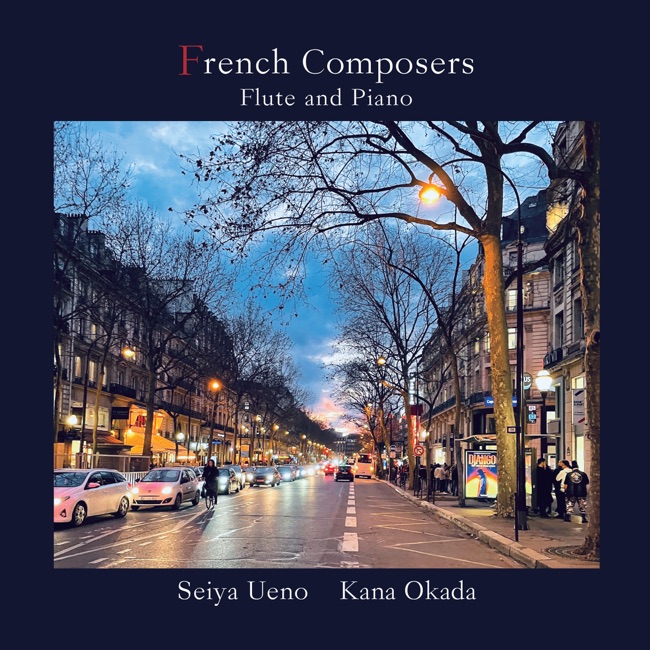 December 8, 2023
 -
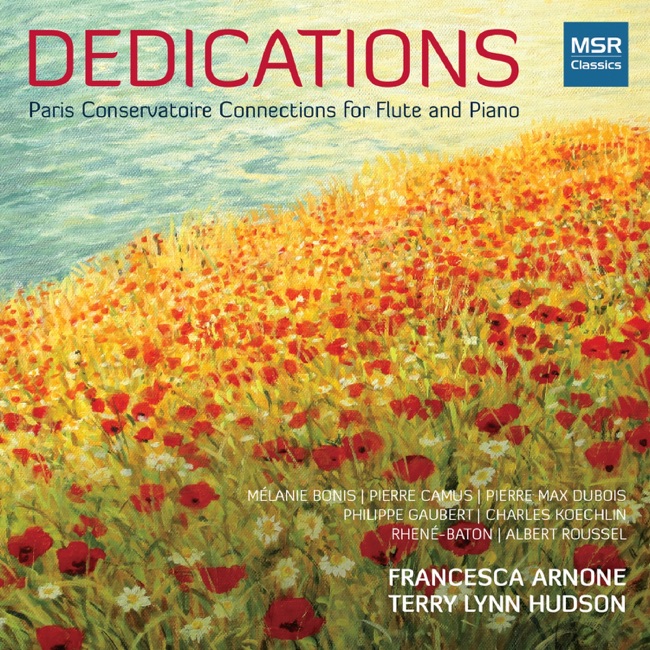 July 8, 2014
 -
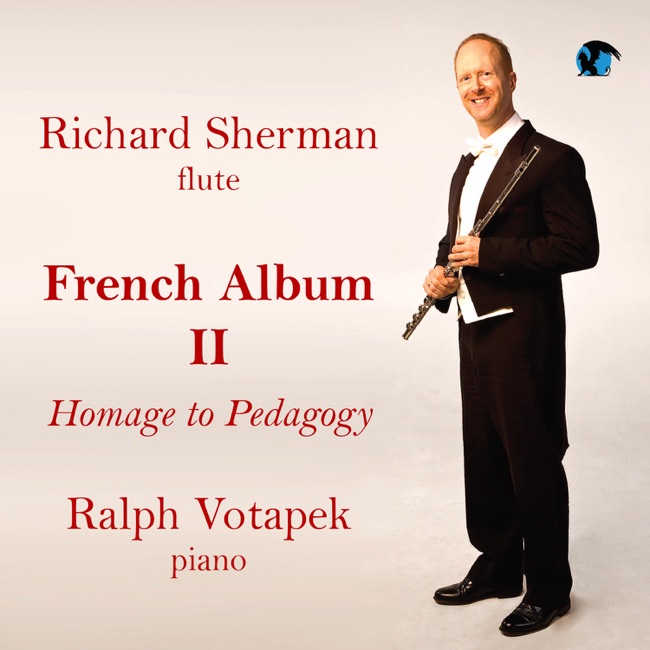 February 12, 2013
 -
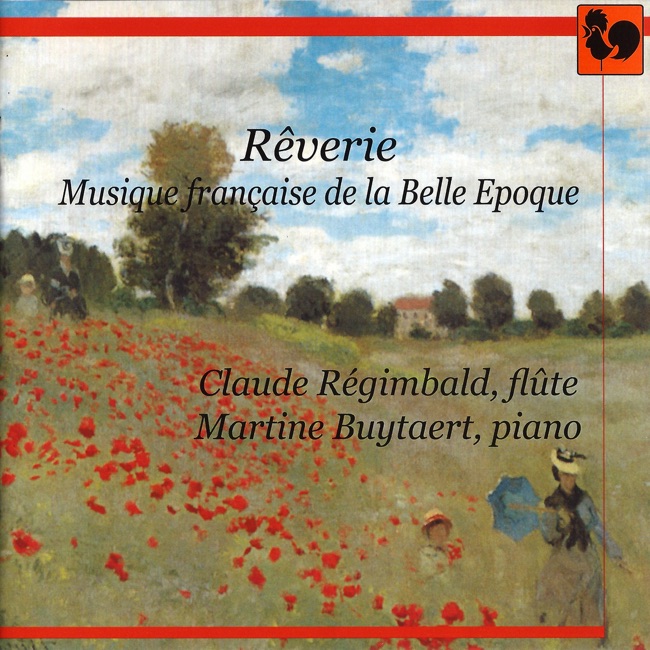 July 14, 2009
Artist Info
Role:ComposerCountry: FranceBirth:1885Death:1948Pierre Camus was a French composer who lived from 1790 to 1850. He was born in the city of Lyon, France, and showed an early interest in music. His parents were both musicians, and they encouraged him to pursue his passion for music from a young age. Camus began his formal musical education at the age of six, when he started taking piano lessons. He quickly showed a talent for the instrument, and by the age of ten, he was already composing his own music. He continued his studies in music theory and composition throughout his teenage years, and by the time he was in his early twenties, he had established himself as a promising young composer. Camus's early works were heavily influenced by the classical music of his time, particularly the works of Mozart and Haydn. He wrote a number of chamber music pieces, including string quartets and piano sonatas, which were well-received by audiences and critics alike. However, it was his orchestral works that really set him apart as a composer. One of Camus's most famous works is his Symphony No. 1 in C Major, which he composed when he was just 25 years old. The symphony is a lively and energetic piece, with a memorable opening theme that is repeated throughout the work. It was an instant success when it was first performed, and it helped to establish Camus as one of the leading composers of his generation. Over the next few years, Camus continued to compose a wide variety of music, including operas, ballets, and choral works. One of his most popular operas was Les Noces de Figaro, which was based on the play by Beaumarchais. The opera was a huge success when it was first performed in Paris in 1824, and it remains one of Camus's most beloved works to this day. In addition to his work as a composer, Camus was also a respected music teacher. He taught at the Paris Conservatory for many years, and he had a profound influence on the next generation of French composers. Many of his students went on to become successful composers in their own right, including Georges Bizet and Jules Massenet. Camus's later works were more experimental and adventurous than his earlier compositions. He began to incorporate elements of Romanticism into his music, and he experimented with new forms and structures. One of his most innovative works is his Symphony No. 4 in D Minor, which features a complex and intricate structure that was ahead of its time. Despite his many successes as a composer, Camus struggled with personal and financial problems throughout his life. He suffered from depression and anxiety, and he often found it difficult to make ends meet. However, he continued to compose music until the end of his life, and his legacy as one of the greatest French composers of the 19th century lives on to this day. In conclusion, Pierre Camus was a talented and influential composer who made a significant contribution to the world of classical music. His works continue to be performed and admired by music lovers around the world, and his influence can be seen in the works of many of the great composers who came after him. Despite the challenges he faced in his personal life, Camus remained dedicated to his art, and his music remains a testament to his talent and creativity.More....


Copyright Ⓒ 2013 Davinci Finger. All rights reseved
Service Terms & Policy