


Liu Tian-hua
Released Album
Miscellaneous
-
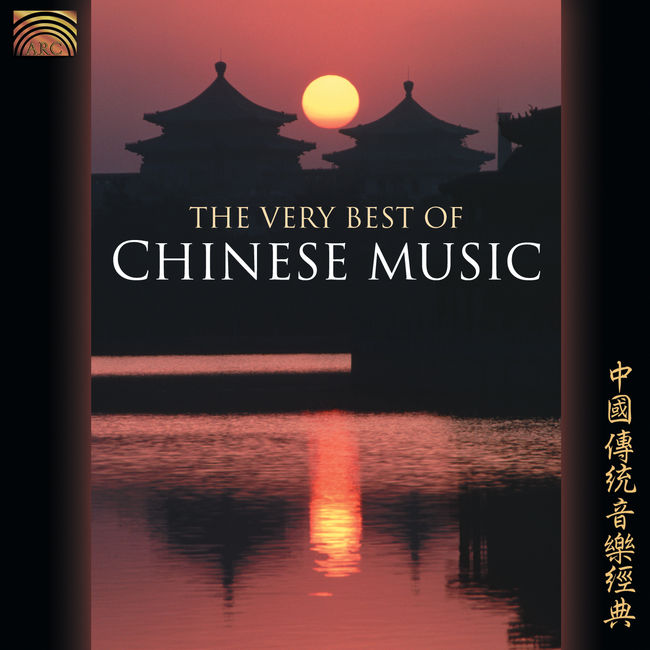 August 9, 2005
 -
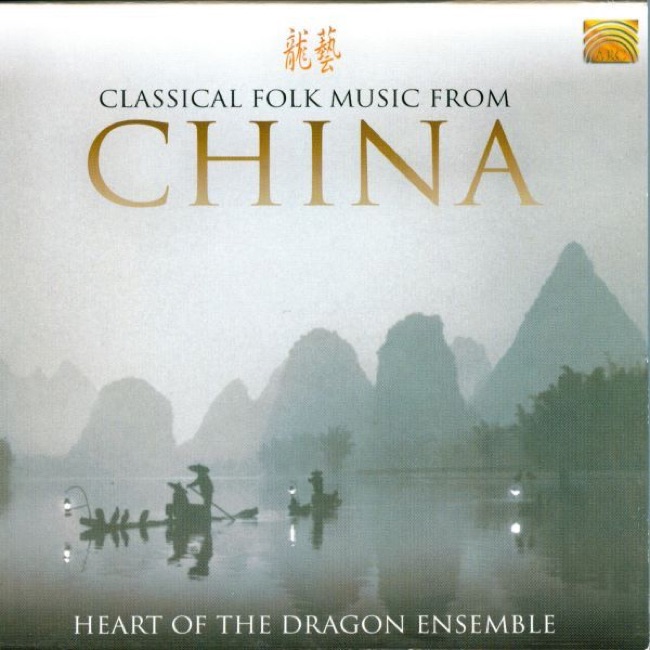 January 1, 2005
 -
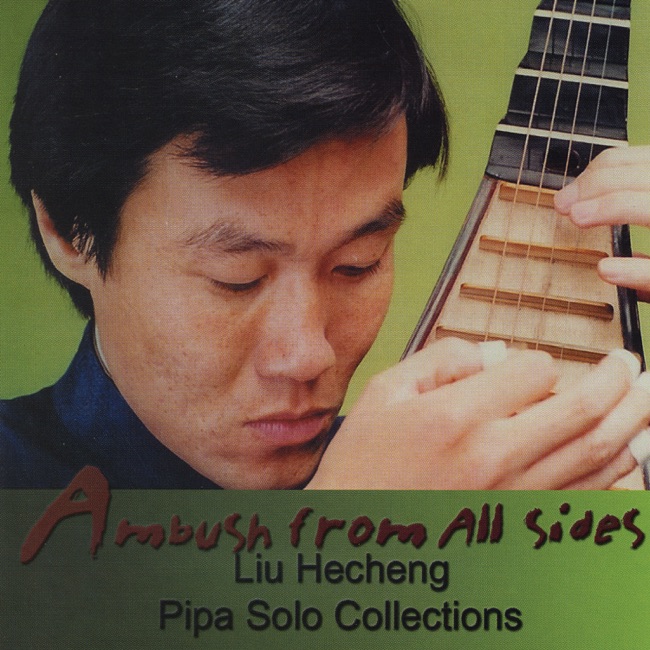 November 25, 2003
Artist Info
Role:ComposerBirth:1895Death:1932Liu Tian-hua was a renowned Chinese composer and musician who is widely regarded as one of the most important figures in the development of traditional Chinese music. Born in 1895 in the city of Wuxi, Jiangsu Province, Liu was the son of a wealthy merchant who was also a skilled musician. From a young age, Liu showed a natural talent for music and began studying the erhu, a two-stringed bowed instrument, under the tutelage of his father. As a teenager, Liu moved to Shanghai to further his musical education and began studying under the renowned erhu master, Abing. Under Abing's guidance, Liu honed his skills and developed a deep appreciation for traditional Chinese music. He also began composing his own music, drawing inspiration from the rich cultural heritage of China. In the 1920s, Liu became a prominent figure in the Shanghai music scene and began performing his own compositions in public. His music was well-received by audiences and critics alike, and he quickly gained a reputation as one of the most innovative and talented composers of his time. One of Liu's most famous compositions is "The Moon Reflected on Erquan," a hauntingly beautiful piece for erhu and orchestra that has become a staple of the traditional Chinese music repertoire. The piece was inspired by a poem by the Tang dynasty poet Li Bai and is known for its evocative melodies and intricate harmonies. Another of Liu's notable works is "Spring Arrives on the Qing River," a lively and upbeat piece that captures the joy and energy of the spring season. The piece features a variety of traditional Chinese instruments, including the pipa, guzheng, and dizi, and is often performed at festivals and celebrations throughout China. Throughout his career, Liu remained dedicated to preserving and promoting traditional Chinese music. He believed that music was an essential part of Chinese culture and worked tirelessly to ensure that it continued to thrive and evolve. He also trained a new generation of musicians, passing on his knowledge and expertise to future generations. Liu's contributions to Chinese music were recognized both in China and abroad. In 1956, he was awarded the title of "National Master of Arts" by the Chinese government, and in 1961, he was invited to perform at the United Nations in New York City. He continued to compose and perform music until his death in 1932, leaving behind a rich legacy that continues to inspire and influence musicians around the world.More....
Copyright Ⓒ 2013 Davinci Finger. All rights reseved
Service Terms & Policy