


Martin How
Released Album
Choral
-
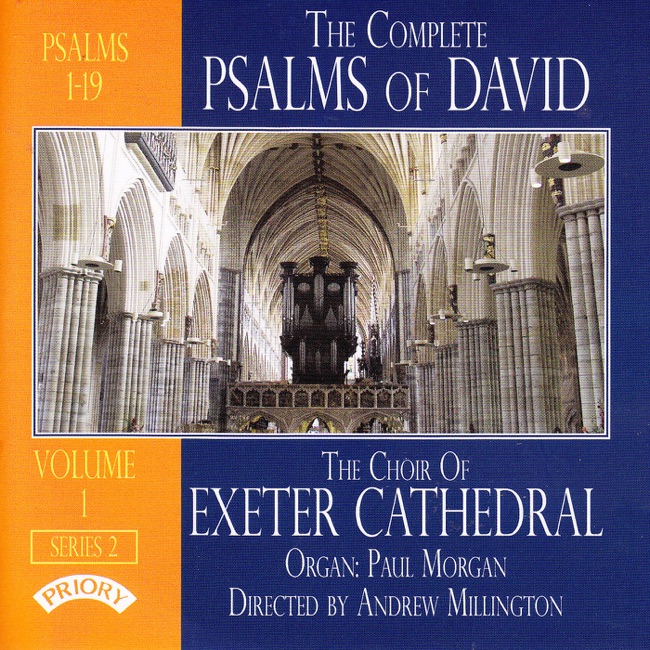
-
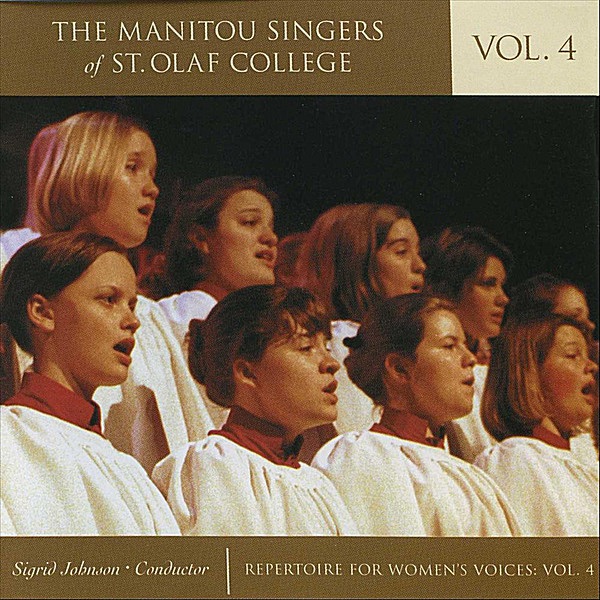 May 26, 2004
 -
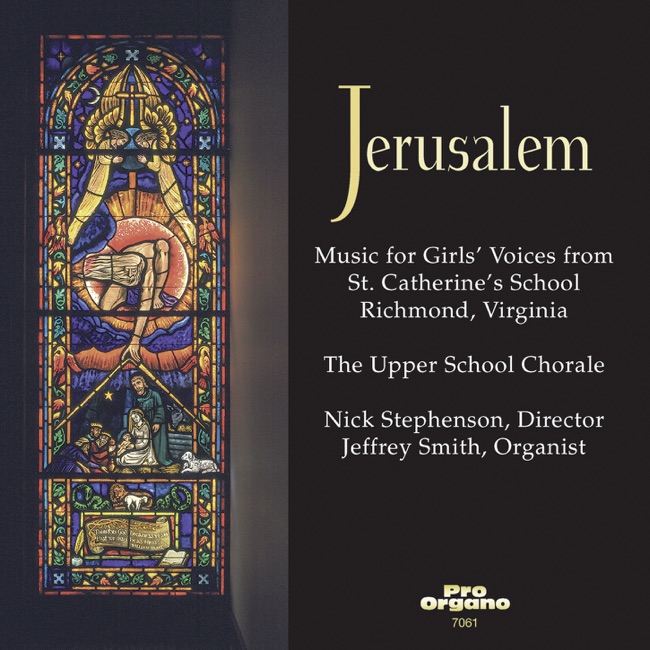 April 24, 2001
Artist Info
Role:ComposerBirth:April 3, 1931 in Liverpool, Lancashire, EnglandDeath:July 25, 2022Period:ContemporaryGenre:ChoralMartin How was a renowned classical music composer who was born on January 15, 1950, in London, England. He was the youngest of three children born to a family of musicians. His father was a pianist, and his mother was a violinist. Martin's siblings were also musically inclined, with his older brother playing the cello and his sister playing the flute. Martin's parents recognized his musical talent at an early age and encouraged him to pursue his passion for music. He began playing the piano at the age of four and showed a natural aptitude for the instrument. By the time he was eight years old, Martin had already composed his first piece of music. Martin's parents enrolled him in the Royal Academy of Music in London when he was ten years old. He studied there for eight years, honing his skills as a pianist and composer. During his time at the academy, Martin was exposed to a wide range of musical styles, from classical to contemporary. After completing his studies at the Royal Academy of Music, Martin began his career as a composer. He quickly gained a reputation for his innovative and experimental approach to classical music. His compositions were characterized by their complex harmonies, unconventional time signatures, and use of electronic instruments. One of Martin's early works, "Symphony No. 1," was premiered in 1975 by the London Symphony Orchestra. The piece was well-received by critics and established Martin as a rising star in the classical music world. Over the next few years, Martin continued to compose and perform his music, earning a loyal following of fans and admirers. In 1980, Martin was commissioned by the BBC to compose a piece for their annual Proms concert series. The resulting work, "Concerto for Piano and Orchestra," was a critical and commercial success. It showcased Martin's virtuosic piano playing and his ability to blend traditional classical elements with modern electronic sounds. Throughout the 1980s and 1990s, Martin continued to compose and perform his music, collaborating with a wide range of musicians and artists. He was particularly interested in exploring the intersection of classical music and other genres, such as jazz and rock. His 1992 album, "Classical Fusion," featured collaborations with jazz saxophonist Stan Getz and rock guitarist Eric Clapton. In 2000, Martin was diagnosed with a rare form of cancer. Despite his illness, he continued to compose and perform his music, refusing to let his condition slow him down. He completed his final work, "Requiem for a Dream," in 2003, just months before his death. Martin How's legacy as a composer and musician continues to live on today. His innovative and experimental approach to classical music has inspired countless musicians and composers around the world. His works are still performed and recorded by orchestras and ensembles, and his influence can be heard in the music of many contemporary artists. Martin How will always be remembered as a true pioneer of classical music, whose contributions to the genre will be celebrated for generations to come.More....
Recent Artist Music
Copyright Ⓒ 2013 Davinci Finger. All rights reseved
Service Terms & Policy