


Halim El-Dabh
Released Album
Keyboard
-
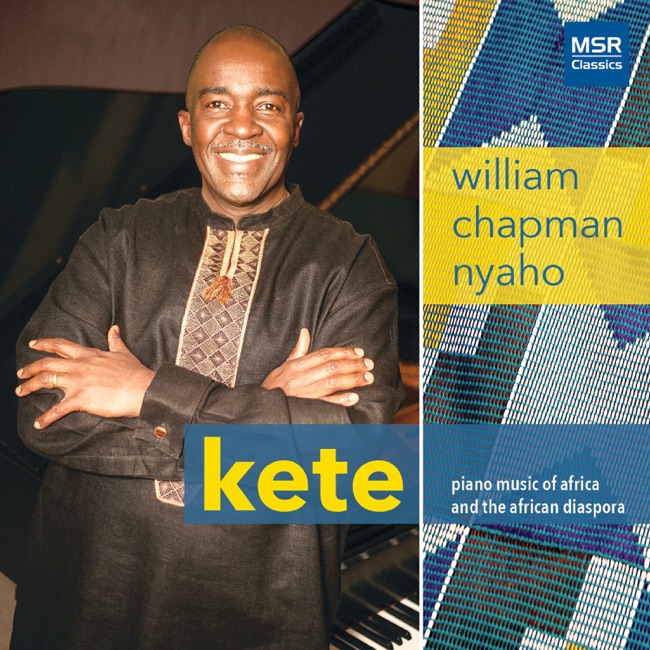 May 1, 2020
 -
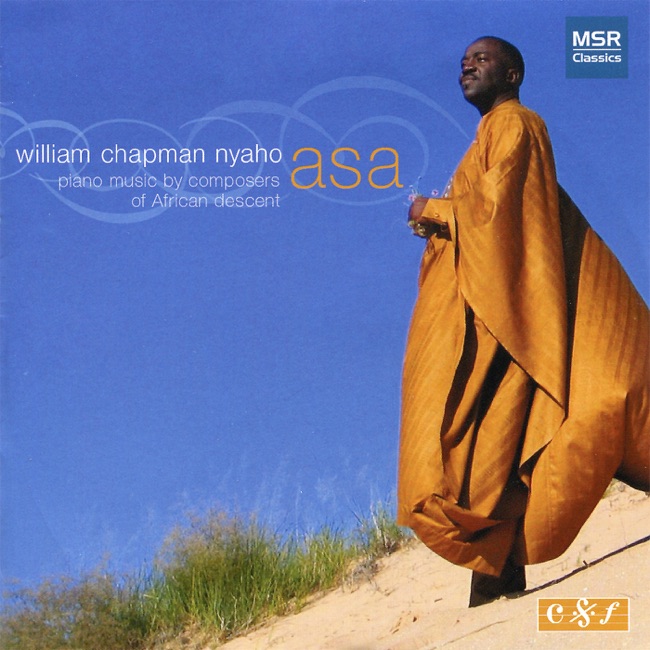 November 11, 2008
 -
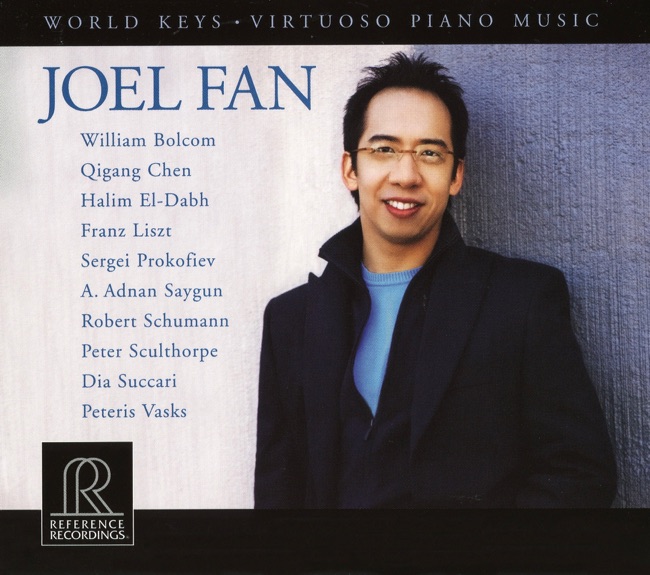 June 13, 2006
Chamber
-
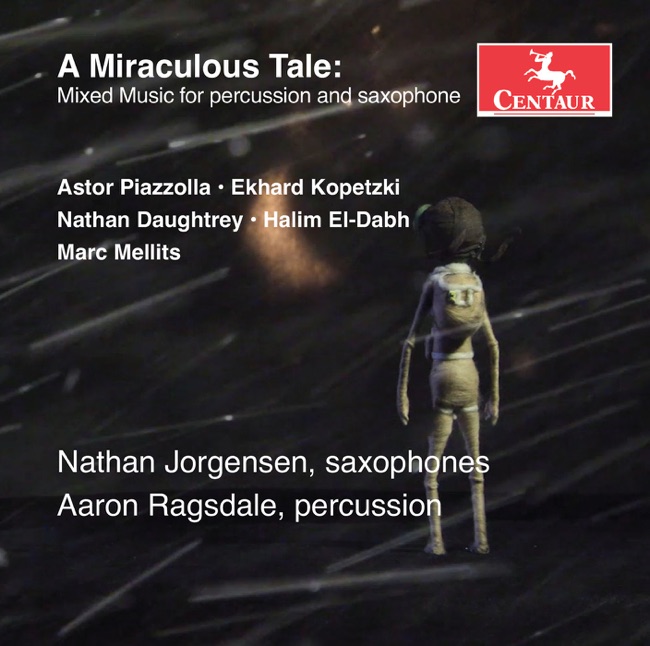
-
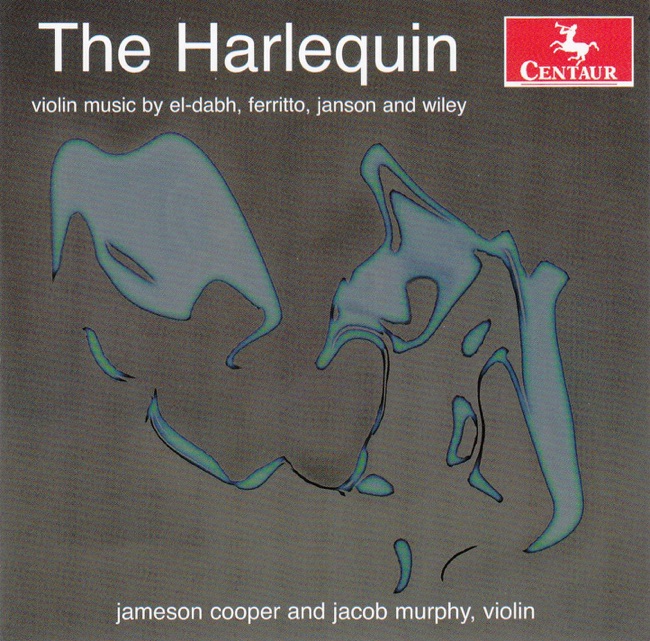 January 28, 2014
Choral
-
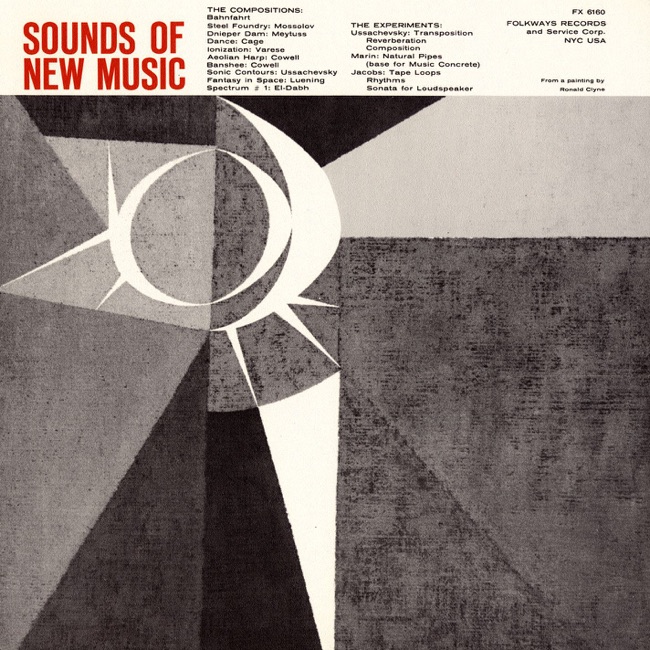 January 1, 1957
Artist Info
Role:Composer PerformerCountry: EgyptBirth:March 4, 1921 in Cairo, EgyptDeath:September 2, 2017 in Kent, OHHalim El-Dabh was a renowned Egyptian-American composer, ethnomusicologist, and educator who made significant contributions to the world of classical music. He was born on March 4, 1921, in Sakakini, Egypt, and passed away on September 2, 2017, in Kent, Ohio, at the age of 96. El-Dabh grew up in a musical family, and his father was a sheikh who taught him the Quran and Arabic music. He began playing the tar, a traditional Egyptian instrument, at a young age and later learned to play the piano and violin. El-Dabh's interest in music led him to study at the Cairo Conservatory of Music, where he received a diploma in composition in 1947. After completing his studies, El-Dabh worked as a music teacher and composer in Egypt. In 1949, he received a Fulbright scholarship to study at the University of New Mexico, where he earned a Master's degree in musicology. During his time in the United States, El-Dabh became interested in electronic music and began experimenting with tape recorders and other electronic equipment to create new sounds. One of El-Dabh's most famous works is "The Wire Recorder Piece," which he composed in 1944. This piece was created using a wire recorder, which was a primitive form of audio recording technology. El-Dabh recorded various sounds, including his own voice, and then manipulated them to create a unique composition. "The Wire Recorder Piece" is considered one of the earliest examples of electronic music. In 1950, El-Dabh moved to Paris to study with composer Arthur Honegger. While in Paris, he continued to experiment with electronic music and created several works using tape recorders and other electronic equipment. One of his most famous works from this period is "Leiyla and the Poet," which was composed in 1959. This piece was created using recordings of an Egyptian singer named Leiyla and a poet named Ahmed Rami. El-Dabh manipulated these recordings to create a haunting and otherworldly composition. El-Dabh returned to the United States in 1957 and began teaching at the Columbia-Princeton Electronic Music Center in New York City. He continued to compose electronic music and also began incorporating traditional Egyptian music into his compositions. One of his most famous works from this period is "Meditation on the Nile," which was composed in 1965. This piece combines electronic sounds with traditional Egyptian instruments, including the oud and the ney. In addition to his work as a composer, El-Dabh was also an ethnomusicologist and studied the music of various cultures around the world. He traveled extensively and conducted fieldwork in Egypt, Ethiopia, and other countries. El-Dabh's interest in ethnomusicology is reflected in his compositions, which often incorporate elements of traditional music from different cultures. El-Dabh continued to compose and teach throughout his life and received numerous awards and honors for his work. In 2009, he was awarded the prestigious Prince Claus Award for his contributions to music and culture. El-Dabh's legacy as a composer and educator continues to inspire musicians and music lovers around the world.More....
Recent Artist Music
3
7:10
Copyright Ⓒ 2013 Davinci Finger. All rights reseved
Service Terms & Policy