


Edino Krieger
Released Album
Keyboard
-
 March 4, 2013
 -
 January 21, 2007
 -
 July 26, 2005
Chamber
-
 February 9, 2011
 -
 April 24, 2001
 -
 January 1, 2000
Orchestral
-
 March 14, 2023
 -
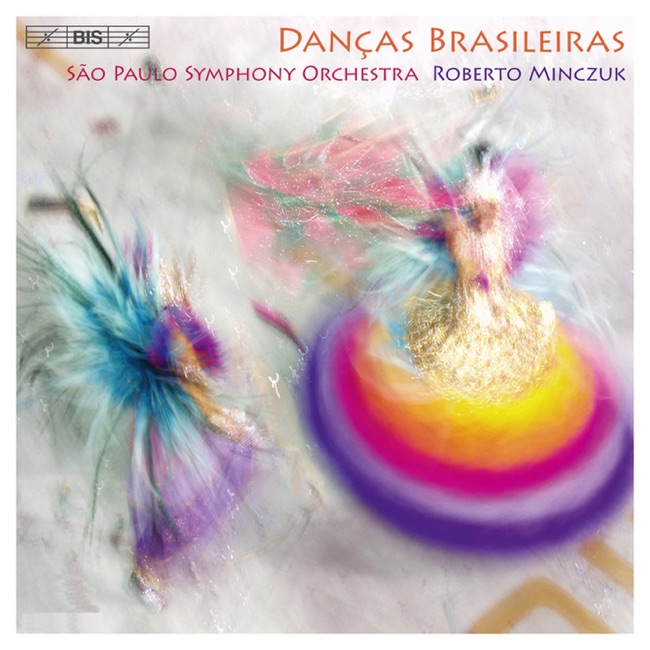 November 22, 2011
Artist Info
Role:Composer ConductorCountry: BrazilBirth:March 17, 1928 in Santa Catarina, Nuevo León, MexicoPeriod:ContemporaryModernGenre:ChamberConcertoKeyboardVocalEdino Krieger was a Brazilian composer and pianist who was born on March 17, 1928, in Brusque, Santa Catarina, Brazil. He was the son of German immigrants and grew up in a musical family. His father was a choir conductor and his mother was a pianist. Krieger began his musical studies at a young age, learning to play the piano and the violin. Krieger's musical education began at the Conservatório Carlos Gomes in Campinas, São Paulo, where he studied piano, composition, and conducting. He later studied composition with Hans-Joachim Koellreutter, a German composer who had emigrated to Brazil. Koellreutter was a major influence on Krieger's musical style, introducing him to the principles of serialism and atonality. Krieger's early works were heavily influenced by the music of Arnold Schoenberg and Anton Webern, two of the leading figures of the Second Viennese School. His first major composition, the String Quartet No. 1, was written in 1951 and reflects his interest in serialism and atonality. The piece was well-received and helped establish Krieger as a promising young composer. In the 1950s, Krieger became involved with the Brazilian avant-garde movement, which sought to create a new, distinctly Brazilian style of music. He began incorporating elements of Brazilian folk music into his compositions, blending them with the modernist techniques he had learned from Koellreutter. This fusion of styles became a hallmark of Krieger's music and helped establish him as one of the leading figures of the Brazilian avant-garde. One of Krieger's most famous works is his Concerto for Guitar and Orchestra, which was written in 1956. The piece was commissioned by the Brazilian guitarist Laurindo Almeida and is considered one of the first works to blend Brazilian folk music with classical music. The concerto features a solo guitar part that incorporates elements of the Brazilian choro style, a type of instrumental music that originated in Rio de Janeiro in the late 19th century. The piece was a major success and helped establish Krieger as a leading composer in Brazil. In the 1960s, Krieger began incorporating elements of serialism and atonality into his music again, but this time with a distinctly Brazilian flavor. He began using Brazilian folk melodies as the basis for his serial compositions, creating a unique blend of modernist and traditional styles. This approach can be heard in works such as the String Quartet No. 2, which was written in 1962. Krieger continued to compose throughout his life, producing a wide range of works in various genres. He wrote operas, ballets, symphonies, chamber music, and solo pieces for various instruments. His music has been performed by orchestras and ensembles around the world and has won numerous awards and accolades. In addition to his work as a composer, Krieger was also a respected music educator. He taught at the Federal University of Rio de Janeiro and the University of Brasília, where he helped establish the music department. He also served as the director of the Brazilian Music Institute and was a member of the Brazilian Academy of Music. Krieger died on December 19, 2017, at the age of 89. He left behind a legacy as one of Brazil's most important composers, whose music blended modernist techniques with traditional Brazilian styles. His work continues to be performed and studied by musicians and scholars around the world, and he remains an important figure in the history of Brazilian music.More....
Recent Artist Music






10
6:48

Copyright Ⓒ 2013 Davinci Finger. All rights reseved
Service Terms & Policy