


Lyubomir Pipkov
Released Album
Symphony
-
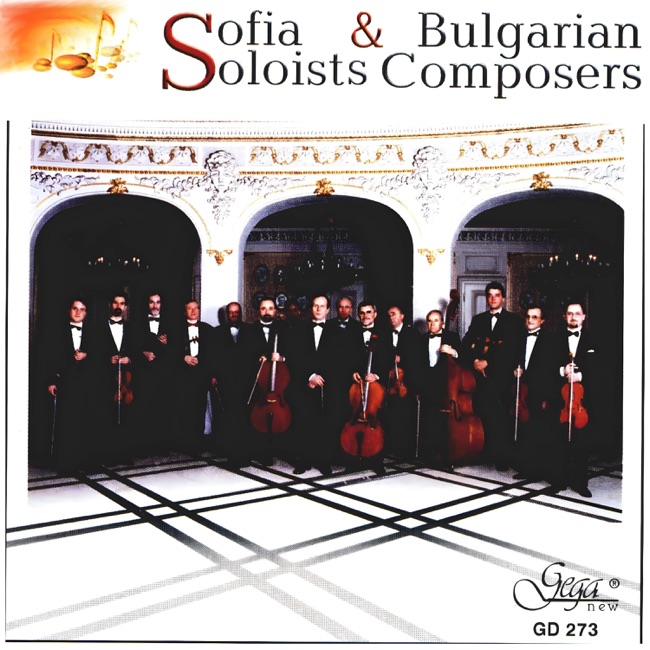 January 28, 2003
Choral
-
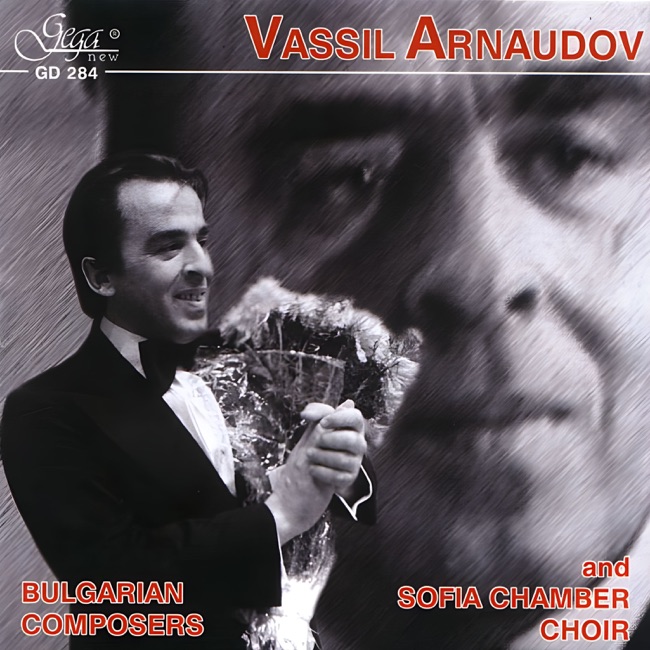 November 25, 2003
Chamber
-
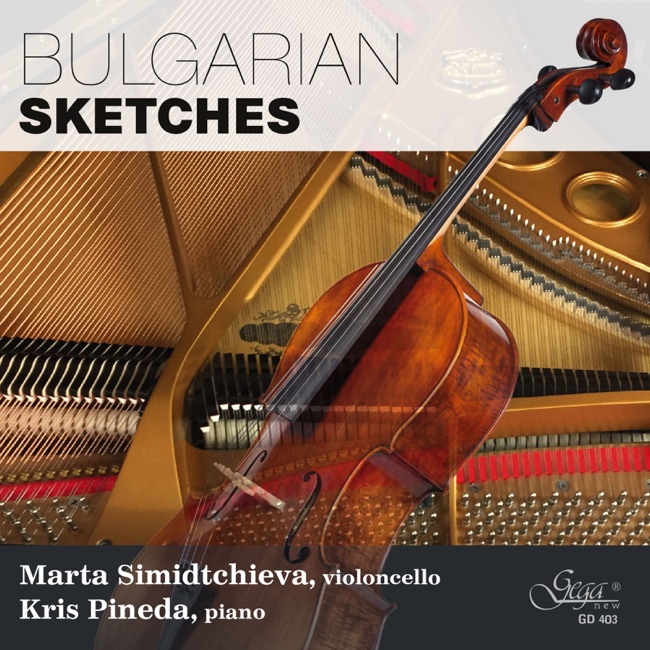 September 7, 2018
Artist Info
Role:Composer PerformerBirth:September 6, 1904 in LovechDeath:May 9, 1974 in Sofia, BulgariaPeriod:ModernGenre:ChoralConcertoSymphonyLyubomir Pipkov was a Bulgarian composer, conductor, and pianist who was born on July 24, 1904, in Sofia, Bulgaria. He was the son of the famous Bulgarian composer and conductor, Dobri Hristov, who was a significant influence on his musical career. Pipkov began his musical education at a young age, studying piano and composition with his father. He later went on to study at the State Academy of Music in Sofia, where he received a degree in composition. Pipkov's early works were heavily influenced by Bulgarian folk music, and he became known for his use of traditional Bulgarian rhythms and melodies in his compositions. His first major work, the opera "Minka," premiered in 1930 and was based on a Bulgarian folk tale. The opera was a critical and commercial success, and it helped establish Pipkov as one of Bulgaria's leading composers. Throughout the 1930s and 1940s, Pipkov continued to compose operas, ballets, and orchestral works that were inspired by Bulgarian folk music. His most famous works from this period include the ballet "Vasilisa," the opera "Yana's Nine Brothers," and the orchestral suite "Bulgarian Pictures." These works were praised for their use of Bulgarian folk melodies and rhythms, and they helped to establish Pipkov as one of Bulgaria's most important composers. During World War II, Pipkov was forced to flee Bulgaria due to his opposition to the fascist government. He spent several years in Italy and Switzerland before returning to Bulgaria in 1945. After the war, he became a professor at the State Academy of Music in Sofia, where he taught composition and conducting. In the 1950s and 1960s, Pipkov's style began to evolve, and he began to incorporate more modernist elements into his compositions. His later works, such as the opera "The Golden Fleece" and the ballet "The Magic Flute," were more experimental and abstract than his earlier works. Despite this shift in style, Pipkov continued to be celebrated for his use of Bulgarian folk music and his contributions to Bulgarian classical music. Pipkov's legacy as a composer and conductor is significant, and his works continue to be performed and celebrated in Bulgaria and around the world. He was awarded numerous honors and awards throughout his career, including the Order of Cyril and Methodius, Bulgaria's highest civilian honor. Pipkov died on June 22, 1974, in Sofia, Bulgaria, leaving behind a rich legacy of music that continues to inspire and delight audiences today.More....
Recent Artist Music
Copyright Ⓒ 2013 Davinci Finger. All rights reseved
Service Terms & Policy