


Beneventan Chant
Artist Info
Role:ComposerGenre:ChoralBeneventan Chant is a form of plainchant that originated in the southern Italian city of Benevento in the 8th century. It is also known as the Beneventan rite or the Beneventan liturgy. The music of the Beneventan Chant is characterized by its use of a unique system of neumes, which are symbols used to indicate the pitch and rhythm of the music. The origins of the Beneventan Chant can be traced back to the Lombard invasion of Italy in the 6th century. The Lombards were a Germanic people who had settled in northern Italy and had brought with them their own liturgical traditions. These traditions were eventually adopted by the local population, and over time, they evolved into the Beneventan rite. The earliest surviving manuscripts of the Beneventan Chant date back to the 9th century. These manuscripts are written in a unique script known as the Beneventan script, which is characterized by its use of ligatures and abbreviations. The manuscripts also contain illustrations and decorations, which provide valuable insights into the liturgical practices of the time. One of the most important figures in the development of the Beneventan Chant was the monk and musician Notker the Stammerer. Notker was born in Switzerland in the 9th century and was a member of the Benedictine monastery of St. Gall. He was a prolific composer of music and is credited with the creation of the sequence, a type of hymn that is still used in the Catholic Church today. Notker was also responsible for the development of a new system of musical notation, which he called the "neumatic" system. This system used symbols to indicate the pitch and rhythm of the music, and it was much more precise than the earlier system of notation that had been used in the Beneventan Chant. Over time, the Beneventan Chant spread throughout Italy and into other parts of Europe. It was particularly popular in Spain, where it was used in the Mozarabic rite, a liturgical tradition that had developed in the Christian communities of Muslim Spain. One of the most famous works of the Beneventan Chant is the hymn "Veni Creator Spiritus." This hymn is still used in the Catholic Church today and is sung at the beginning of important ceremonies such as the ordination of priests and the consecration of bishops. Another important work of the Beneventan Chant is the "Offertory" for the Feast of St. Benedict. This piece is a beautiful example of the rich and complex harmonies that are characteristic of the music of the Beneventan Chant. Despite its importance in the history of Western music, the Beneventan Chant fell out of use in the 11th century. This was due in part to the growing popularity of the Gregorian Chant, which had been developed in the Frankish kingdom and had become the dominant form of plainchant in Europe. Today, the Beneventan Chant is still performed in some churches and monasteries in Italy and Spain. It is also studied by musicologists and historians who are interested in the history of Western music and the development of liturgical traditions. In conclusion, the Beneventan Chant is an important part of the history of Western music. It is a beautiful and complex form of plainchant that has influenced the development of music in Europe and beyond. Its unique system of neumes and its rich harmonies continue to inspire musicians and scholars today.More....
Recent Artist Music

8
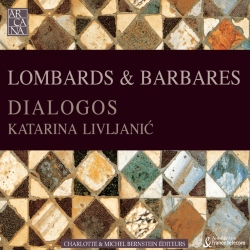
Otin to stauron / O when in cruce
Antiphona: Otin to stauron / O quando in cruce (Benevento Cathedral)
6:45
9

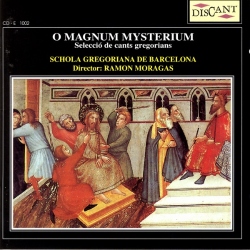
Proskynumen ton stauron
Proskynumen ton stauron, Antiphonae ad adorationem Crucis (feria VI in Parasceve), more Beneventano
3:42
Copyright Ⓒ 2013 Davinci Finger. All rights reseved
Service Terms & Policy