


Pompeyo Camps
Released Album
Vocal
-
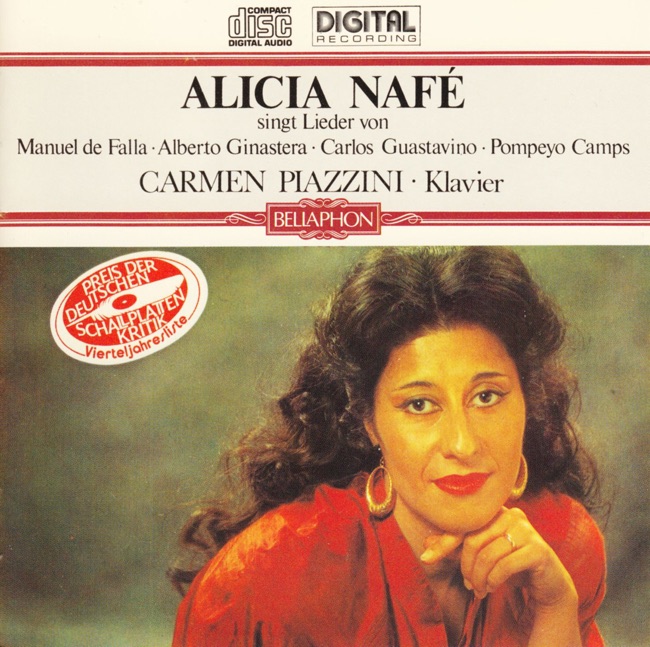
-
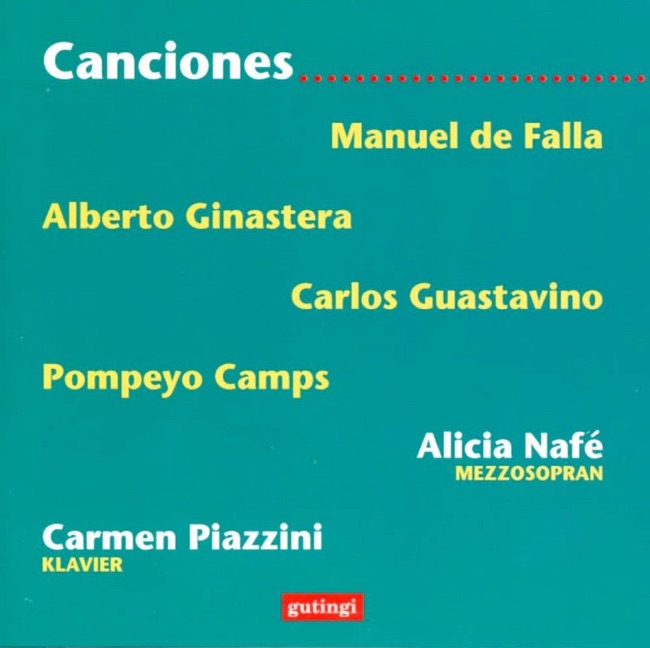 May 8, 2009
Artist Info
Role:ComposerPompeyo Camps was a Spanish composer and pianist who lived from 1866 to 1937. He was born in the city of Barcelona, where he began his musical studies at a young age. His father was a music teacher, and he encouraged Pompeyo to pursue a career in music. Camps showed great talent as a pianist, and he quickly became known for his virtuosic performances. He also began composing music at a young age, and his early works showed a strong influence from the Romantic composers of the time, such as Chopin and Liszt. In 1885, Camps moved to Paris to continue his musical studies. He studied with some of the most renowned teachers of the time, including Camille Saint-Saëns and César Franck. During his time in Paris, Camps also became involved in the city's vibrant cultural scene, attending concerts and meeting other artists and musicians. After several years in Paris, Camps returned to Barcelona, where he continued to compose and perform. He became a well-known figure in the city's musical circles, and his works were performed by some of the leading musicians of the time. Camps' music was characterized by its lyricism and emotional depth. He was particularly skilled at writing for the piano, and his works for the instrument are considered some of his finest. His music often featured complex harmonies and intricate rhythms, and he was known for his use of Spanish folk melodies and rhythms in his compositions. One of Camps' most famous works is his Piano Concerto No. 1, which he composed in 1895. The concerto is a virtuosic showcase for the soloist, with fast runs and intricate passages that require great technical skill. The work also features lush orchestration and a strong sense of drama, with the piano and orchestra engaging in a lively dialogue throughout. Another notable work by Camps is his Suite Española, which he composed in 1900. The suite is a collection of pieces inspired by Spanish folk music, and it showcases Camps' skill at incorporating traditional melodies and rhythms into his compositions. The suite includes pieces such as "Asturias," "Granada," and "Sevilla," which have become some of the most famous works in the Spanish classical music repertoire. Camps continued to compose and perform throughout his life, and he remained an important figure in the Spanish musical world until his death in 1937. His music has continued to be performed and recorded, and he is remembered as one of the most important Spanish composers of the late 19th and early 20th centuries.More....
Copyright Ⓒ 2013 Davinci Finger. All rights reseved
Service Terms & Policy