


Lewis Furey
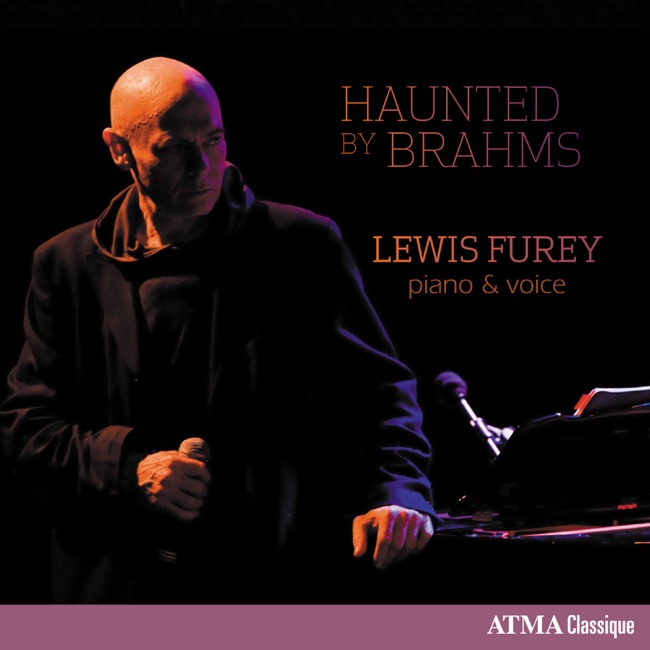
Artist Info
Role:ComposerCountry: CanadaLewis Furey is a Canadian composer, singer, songwriter, and actor who has made significant contributions to the world of classical music. Born on June 7, 1949, in Montreal, Quebec, Furey grew up in a family of musicians. His father, Leonard Furey, was a renowned violinist, and his mother, Lorraine Vaillancourt, was a pianist and composer. Furey's parents were his first music teachers, and he began playing the piano at the age of four. Furey's musical education continued at the Conservatoire de musique du Québec à Montréal, where he studied piano, composition, and conducting. He also studied at the Juilliard School in New York City, where he received a scholarship to study composition. During his time at Juilliard, Furey was exposed to a wide range of musical styles, including jazz, rock, and classical music. Furey's early compositions were heavily influenced by the avant-garde music of the 1960s and 1970s. His first major work, "The Sky is Falling," was a multimedia piece that combined music, dance, and film. The piece was performed at the Montreal Museum of Fine Arts in 1971 and was well-received by critics. In the early 1970s, Furey formed a band called Lewis Furey and the Humour of Whiskey. The band's music was a fusion of rock, jazz, and classical music, and they quickly gained a following in Montreal's music scene. Furey's unique style of music caught the attention of the Canadian Broadcasting Corporation (CBC), and he was commissioned to write music for several television shows and films. Furey's first album, "The Humours of Lewis Furey," was released in 1974 and was a critical success. The album featured Furey's unique blend of rock, jazz, and classical music, and showcased his skills as a singer and songwriter. The album's standout track, "Top Ten Sexes," became a hit in Canada and helped establish Furey as a major force in the Canadian music scene. In 1975, Furey released his second album, "Romantic Times." The album was a departure from his earlier work and featured a more traditional sound. The album's title track, a duet with French singer Carole Laure, became a hit in Canada and helped establish Furey as an international artist. Furey continued to release albums throughout the 1970s and 1980s, including "The Night the Poodle Danced" (1976), "The Ballad of Gilles and Marie" (1978), and "Louisiane" (1981). Furey's music continued to evolve, and he began incorporating elements of opera and classical music into his work. In 1983, Furey composed the music for the film "The Bay Boy," which won the Genie Award for Best Original Score. The film's success helped establish Furey as a major film composer, and he went on to compose music for several other films, including "The Rubber Gun" (1977), "The Wars" (1983), and "The Hotel New Hampshire" (1984). Furey's most ambitious work came in 1987 with the release of his opera, "Leaving Home." The opera, which was based on the life of Canadian painter Tom Thomson, was a critical and commercial success. The opera was performed in Montreal, Toronto, and Vancouver, and helped establish Furey as one of Canada's leading composers. In addition to his work as a composer, Furey has also had a successful career as an actor.More....

Copyright Ⓒ 2013 Davinci Finger. All rights reseved
Service Terms & Policy