


Francisco Mignone
Released Album
Keyboard
-
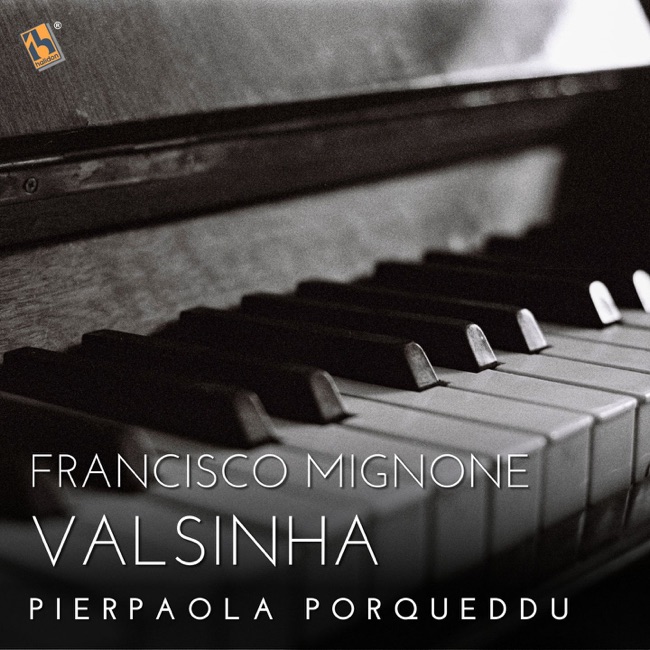 September 6, 2024
 -
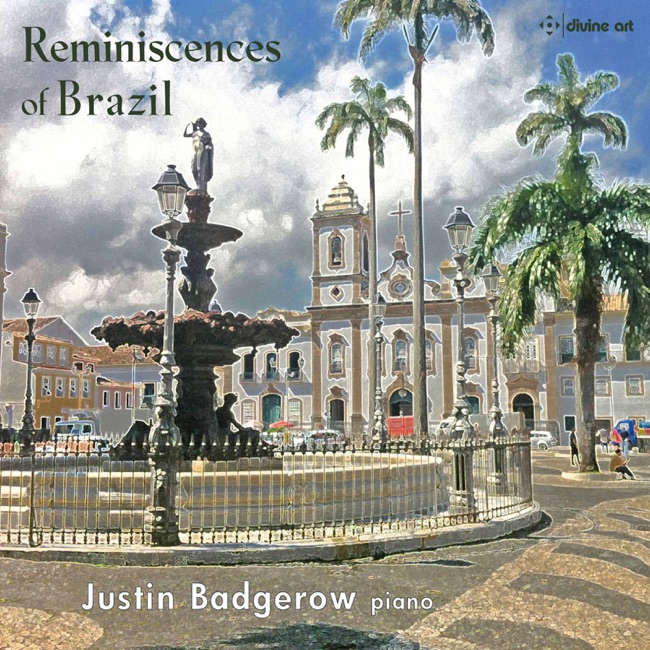 June 12, 2020
 -
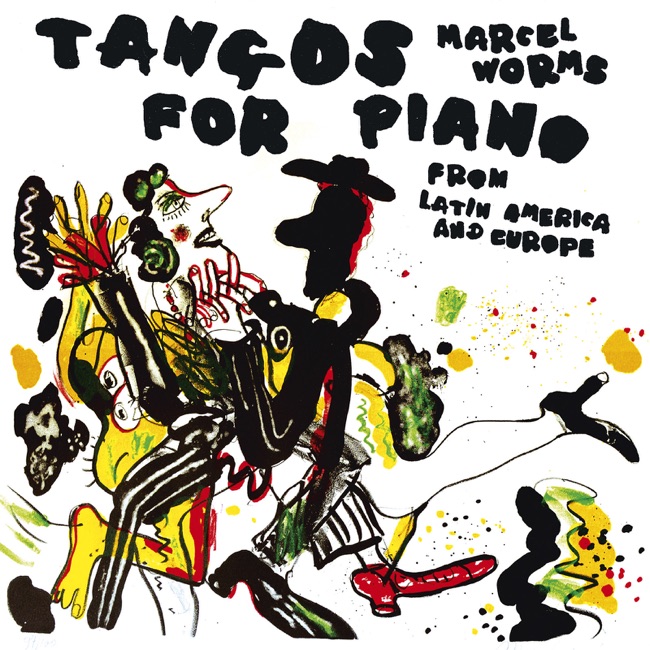 November 18, 2016
 -
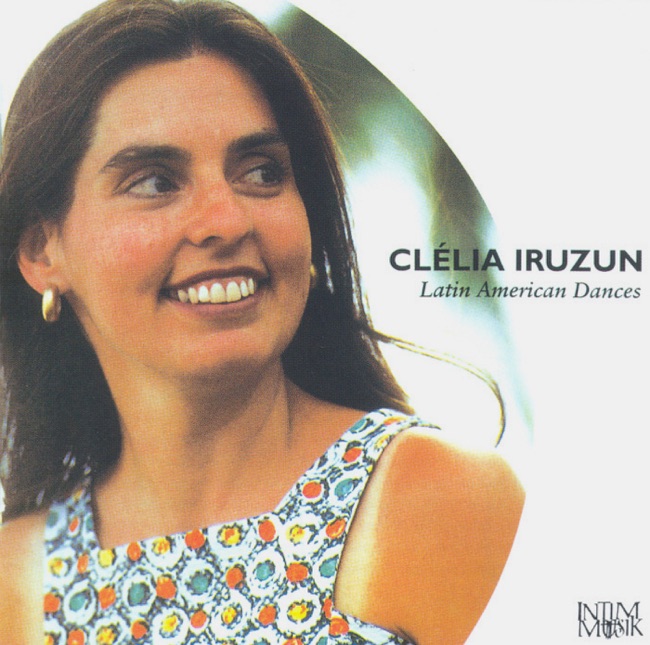 October 1, 2010
 -
 January 12, 2010
 -
 April 14, 2009
Chamber
-
 September 27, 2024
 -
-
 September 9, 2022
 -
 May 27, 2022
 -
 November 5, 2021
 -
Vocal
-
 October 28, 2022
 -

-
 January 29, 2002
Orchestral
-
 September 5, 2023
 -
 June 17, 2011
Artist Info
Role:ComposerCountry: BrazilBirth:September 3, 1897 in São Paulo, BrazilDeath:February 20, 1986 in Rio De Janeiro, BrazilPeriod:ContemporaryModernGenre:KeyboardVocalFrancisco Mignone was a Brazilian composer and pianist who was born on September 3, 1897, in São Paulo, Brazil. He was the son of Italian immigrants and grew up in a musical family. His father, Alfonso Mignone, was a violinist and conductor, and his mother, Maria Pucci Mignone, was a pianist. Francisco Mignone began his musical studies at a young age, learning to play the piano and the violin. Mignone's musical education continued at the São Paulo Conservatory of Music, where he studied composition with Camargo Guarnieri and piano with José Kliass. He graduated from the conservatory in 1921 and began his career as a pianist and composer. In 1923, he traveled to Europe to further his studies, spending time in Paris, Rome, and Berlin. While in Europe, he studied with Nadia Boulanger, Paul Dukas, and Ferruccio Busoni. Mignone returned to Brazil in 1929 and began teaching at the São Paulo Conservatory of Music. He also became involved in the Brazilian music scene, working as a pianist and conductor for various orchestras and opera companies. In 1933, he founded the Brazilian Academy of Music, which aimed to promote Brazilian music and culture. Mignone's compositions were heavily influenced by Brazilian folk music and rhythms, as well as European classical music. He wrote in a variety of genres, including opera, ballet, chamber music, and orchestral works. Some of his most famous works include the opera "O Contratador de Diamantes," the ballet "Maracatu de Chico Rei," and the "Valsa de Esquina" for piano. One of Mignone's most significant contributions to Brazilian music was his use of regional rhythms and melodies in his compositions. He was particularly interested in the music of the northeast region of Brazil, which he incorporated into many of his works. He also experimented with different forms of Brazilian music, such as the choro and the samba. Mignone's music was well-received in Brazil and abroad, and he received numerous awards and honors throughout his career. In 1958, he was awarded the National Order of Merit by the Brazilian government, and in 1963, he was elected to the Brazilian Academy of Letters. He also received international recognition, winning the UNESCO International Rostrum of Composers in 1955 and the Prix de Rome in 1958. Despite his success, Mignone faced some criticism for his use of Brazilian folk music in his compositions. Some critics felt that he was not being true to the traditional music and was instead creating a watered-down version for a Western audience. However, Mignone defended his use of folk music, arguing that he was simply incorporating it into a classical framework. Mignone continued to compose and teach until his death on February 19, 1986, in Rio de Janeiro, Brazil. His legacy lives on through his music, which continues to be performed and studied by musicians around the world. He is remembered as one of the most important composers in Brazilian music history, and his contributions to the development of Brazilian classical music are still celebrated today.More....
Recent Artist Music








Copyright Ⓒ 2013 Davinci Finger. All rights reseved
Service Terms & Policy