


Montague Ewing
Released Album
Orchestral
-
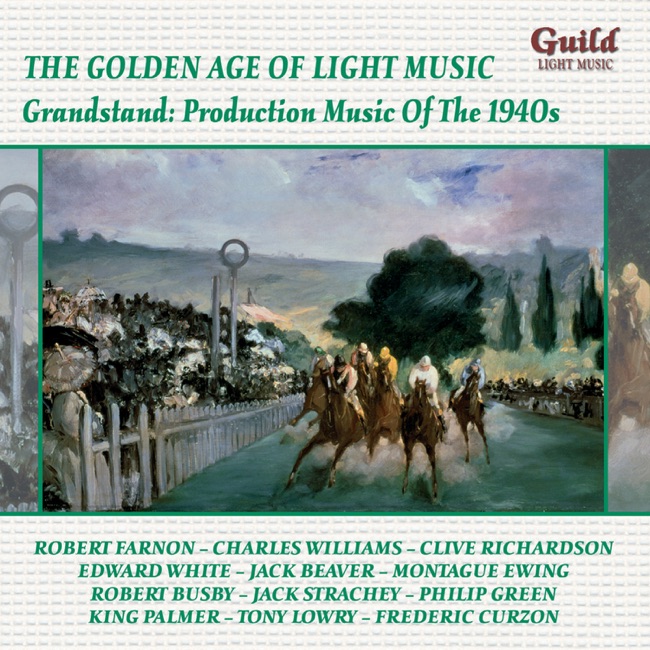
-
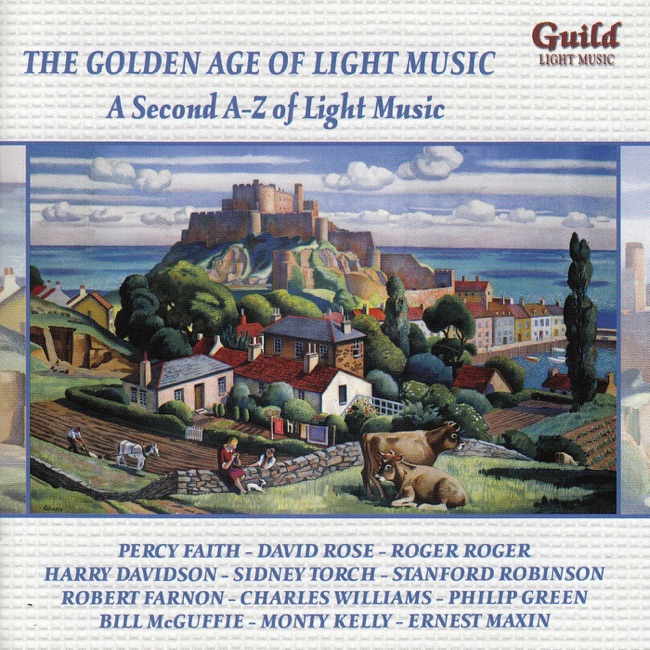 April 10, 2012
 -
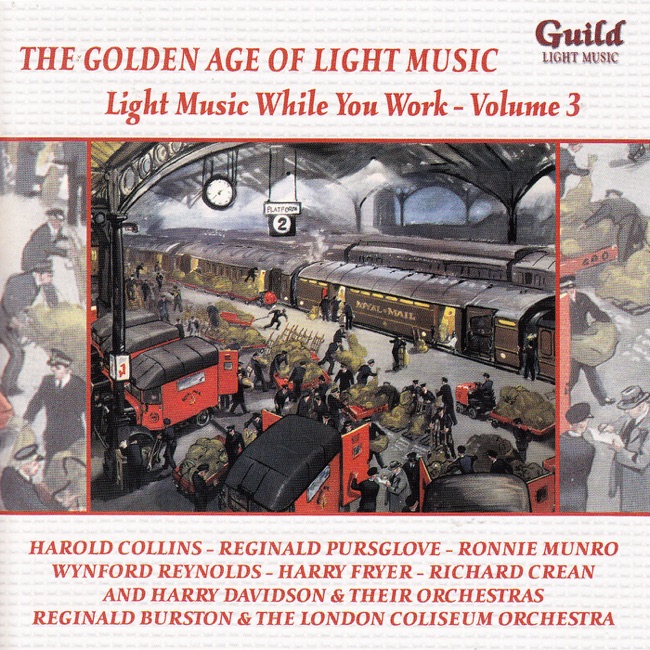 November 8, 2011
 -
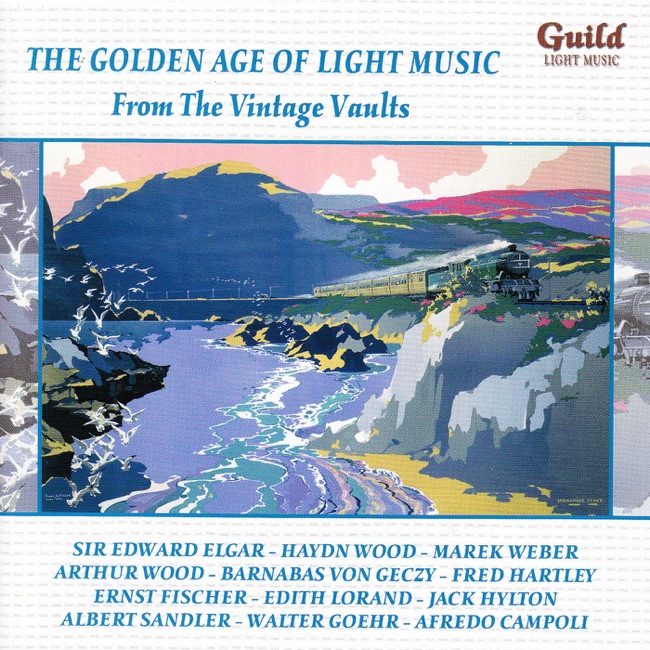 January 15, 2011
 -
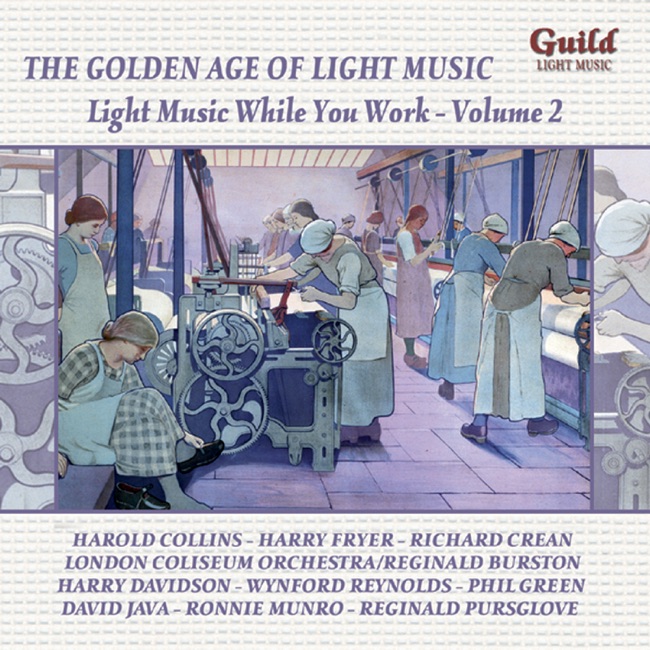 January 22, 2008
 -
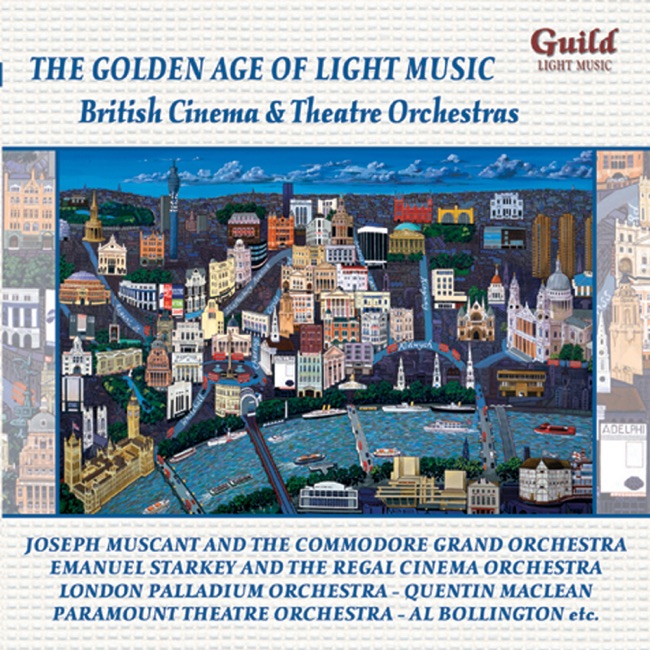
Miscellaneous
-
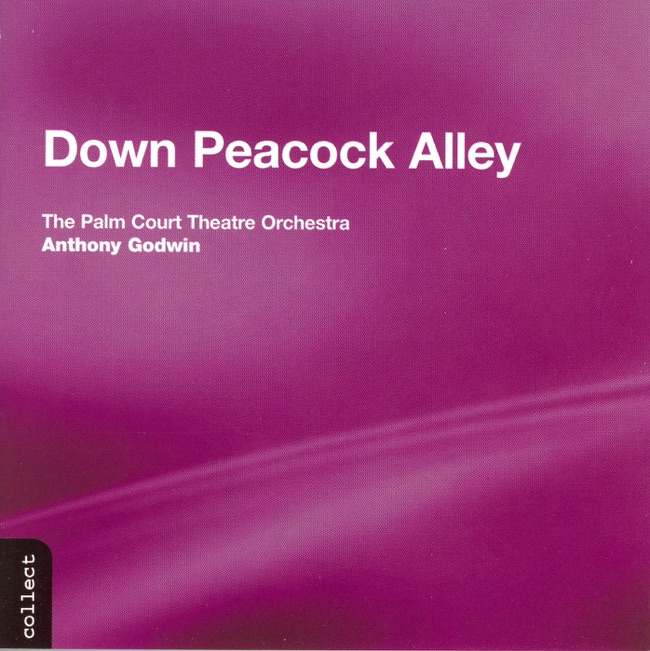 August 18, 1998
Artist Info
Role:Composer ConductorPeriod:ContemporaryModernGenre:BandMontague Ewing was a British composer and pianist who lived from 1890 to 1957. He was born in London, England, to a family of musicians. His father, Julian Ewing, was a composer and conductor, and his mother, Florence Ewing, was a singer. Montague showed an early interest in music and began playing the piano at a young age. Montague Ewing received his formal musical education at the Royal Academy of Music in London. He studied composition with Frederick Corder and piano with Tobias Matthay. He was a talented student and won several prizes and awards during his time at the academy. After completing his studies, Montague Ewing began his career as a composer and pianist. He composed music in a variety of genres, including orchestral works, chamber music, songs, and piano pieces. His music was influenced by the Romantic tradition and often featured lush harmonies and expressive melodies. One of Montague Ewing's early successes was his Piano Concerto in B-flat major, which he composed in 1913. The concerto was premiered by the London Symphony Orchestra, with Ewing himself as the soloist. The piece was well-received and helped establish Ewing's reputation as a composer. During World War I, Montague Ewing served in the British Army as a musician. He played the piano and conducted orchestras for the troops, and also composed music for military bands. One of his most famous works from this period is the march "Colonel Bogey," which was later used in the film The Bridge on the River Kwai. After the war, Montague Ewing continued to compose and perform. He wrote several operas, including The Golden Cockerel and The Three Bears, as well as numerous songs and piano pieces. He also worked as a music critic for several publications, including The Times and The Observer. In addition to his composing and performing, Montague Ewing was also a dedicated teacher. He taught piano and composition at the Royal Academy of Music, and also gave private lessons to many students. His pupils included the composer and conductor Malcolm Sargent, as well as the pianist and composer Benjamin Britten. Montague Ewing's music fell out of favor in the years following his death, but has recently experienced a resurgence of interest. His works have been recorded and performed by a number of musicians and ensembles, and his piano music in particular has been praised for its lyrical beauty and technical virtuosity. Some of Montague Ewing's most notable works include his Piano Concerto in B-flat major, his opera The Golden Cockerel, and his piano pieces "The Fountain" and "The Mill." His music is characterized by its Romantic style, lush harmonies, and expressive melodies, and is considered to be a valuable contribution to the British classical music tradition.More....
Recent Artist Music
Copyright Ⓒ 2013 Davinci Finger. All rights reseved
Service Terms & Policy