


Mario Pilati
Released Album
Chamber
-
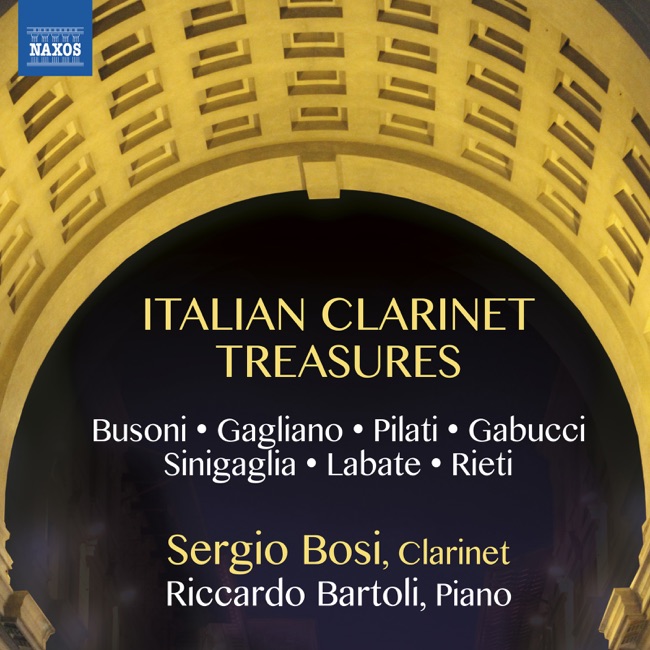 July 13, 2018
 -
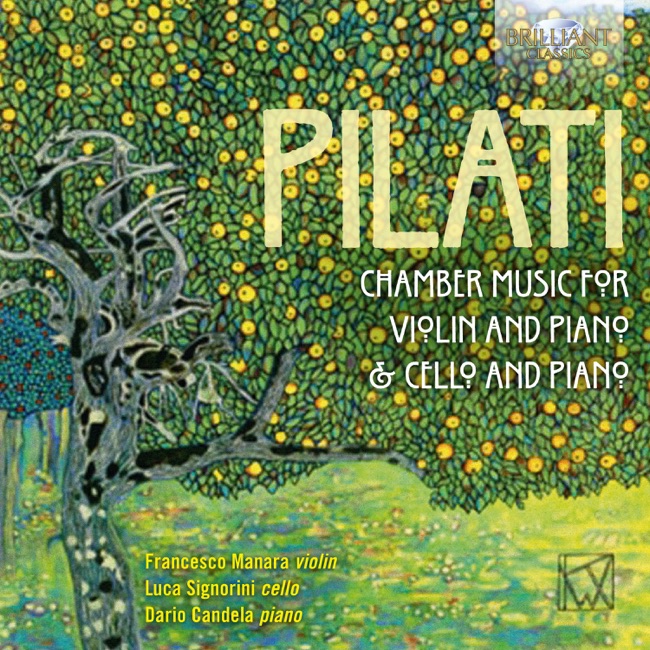 September 22, 2017
 -
 November 12, 2012
 -
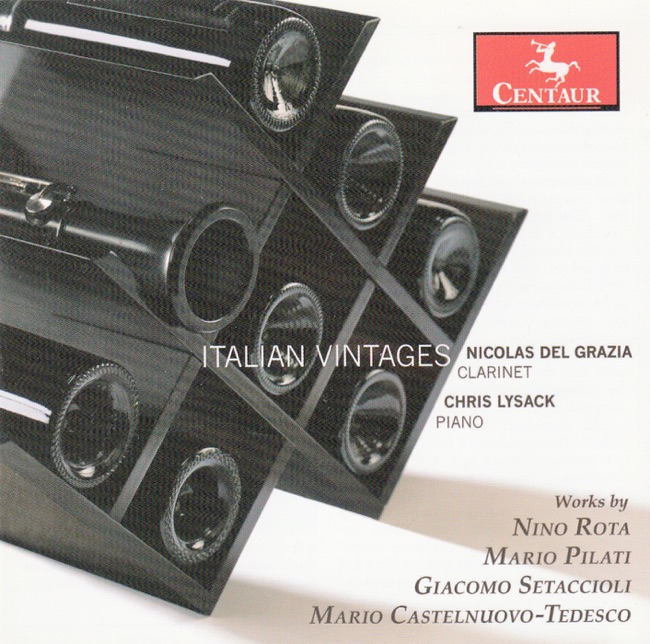 April 24, 2007
 -
 January 1, 1994
Keyboard
-
 November 5, 2021
 -
 June 2, 2015
 -
 November 11, 2014
Orchestral
Artist Info
Role:ComposerBirth:1903Death:1938Period:ModernGenre:ChamberMario Pilati was an Italian composer born on August 28, 1903, in the city of Naples. He was the son of a music teacher, and his father's profession played a significant role in his early musical education. Pilati began studying music at a young age, and by the time he was a teenager, he had already composed several pieces. Pilati's musical education continued at the Conservatory of San Pietro a Majella in Naples, where he studied composition with Achille Longo and Giuseppe Martucci. He also studied piano with Vincenzo Vitale and conducting with Tullio Serafin. Pilati's talent as a composer was evident from an early age, and he quickly gained recognition for his work. In 1924, Pilati moved to Rome, where he continued his studies at the Accademia Nazionale di Santa Cecilia. While in Rome, he met the composer Alfredo Casella, who became a mentor and friend. Casella introduced Pilati to the music of Stravinsky, Schoenberg, and other modern composers, which had a significant influence on Pilati's own compositions. Pilati's early works were heavily influenced by the neoclassical style, which was popular in Italy at the time. His first major composition, the Suite per orchestra, was premiered in 1926 and received critical acclaim. The suite was followed by several other orchestral works, including the Concerto per pianoforte e orchestra and the Sinfonia in la maggiore. In the 1930s, Pilati's style began to evolve, and he began incorporating elements of modernism into his compositions. His music became more dissonant and complex, and he experimented with new forms and techniques. One of his most significant works from this period is the Concerto per violino e orchestra, which was premiered in 1935. During World War II, Pilati served in the Italian army and was stationed in North Africa. While there, he continued to compose and even wrote a symphony, which he dedicated to his fellow soldiers. After the war, Pilati returned to Italy and resumed his career as a composer. In the post-war years, Pilati's music became more tonal and accessible, and he began to incorporate elements of Italian folk music into his compositions. One of his most famous works from this period is the ballet La Festa delle Panatenee, which was premiered in 1954. The ballet is based on an ancient Greek myth and features a score that combines classical and folk elements. Pilati continued to compose throughout the 1950s and 1960s, and his music continued to evolve. He experimented with new forms and techniques, and his compositions became more abstract and experimental. One of his most significant works from this period is the Sinfonia per archi, which was premiered in 1962. In addition to his work as a composer, Pilati was also a respected music educator. He taught at several conservatories in Italy, including the Conservatory of Santa Cecilia in Rome and the Conservatory of San Pietro a Majella in Naples. Many of his students went on to become successful composers and performers in their own right. Mario Pilati died on May 9, 1960, in Rome, at the age of 56. He left behind a significant body of work that includes orchestral works, chamber music, ballets, and operas. Pilati's music is characterized by its lyricism, its use of Italian folk music, and its experimentation with new forms and techniques. He is considered one of the most important Italian composers of the 20th century and a significant figure in the development of modern classical music.More....
Recent Artist Music


Copyright Ⓒ 2013 Davinci Finger. All rights reseved
Service Terms & Policy