


Ruth Byrchmore
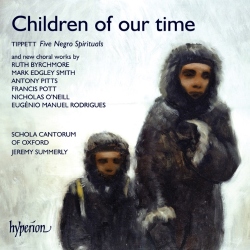
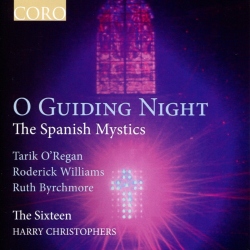
Released Album
Choral
-
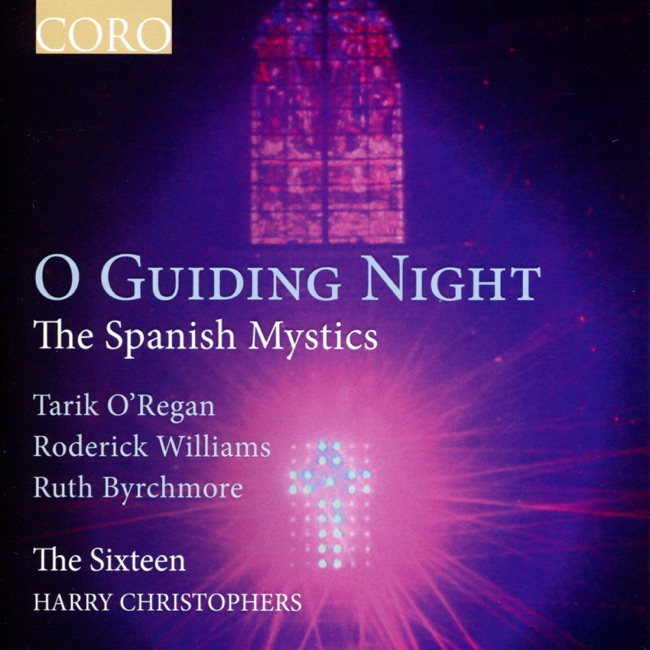 May 10, 2011
 -
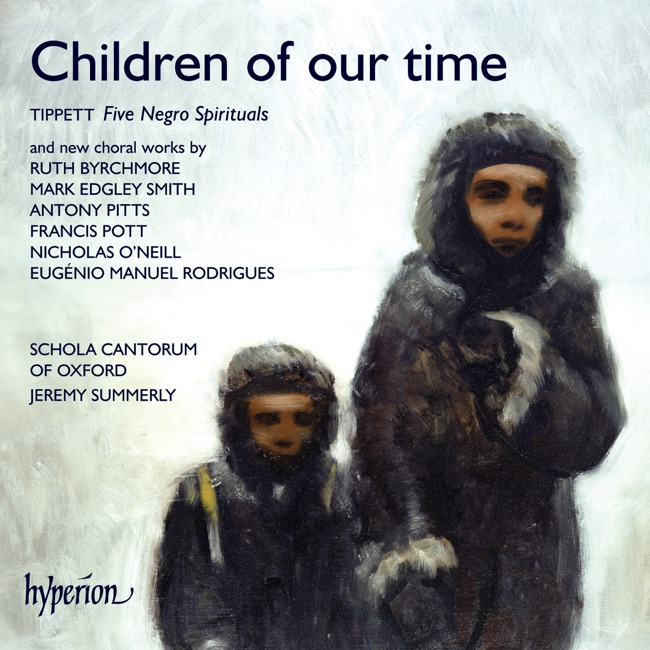 April 3, 2006
 -
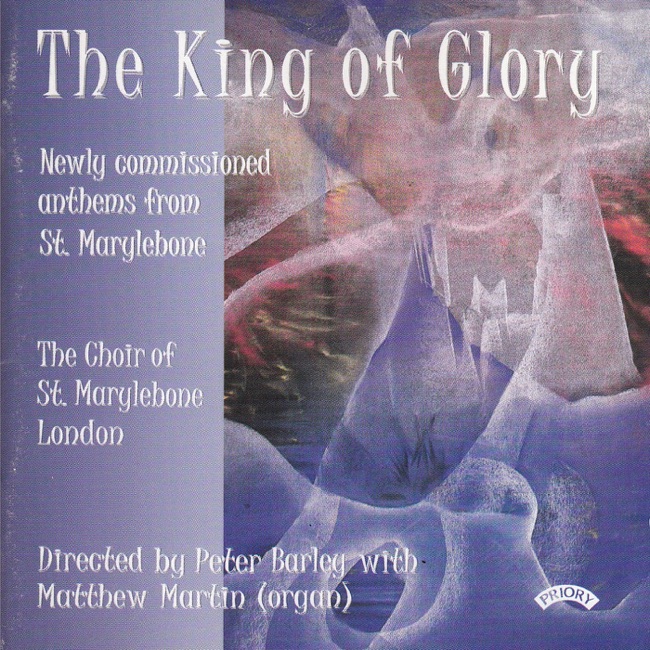 May 30, 2000
Artist Info
Role:ComposerBirth:1966Ruth Byrchmore was a British composer and pianist who lived from 1919 to 2004. She was born in London and grew up in a musical family. Her father was a violinist and her mother was a singer, and they encouraged her to pursue music from a young age. Byrchmore began playing the piano at the age of four and showed a natural talent for the instrument. Byrchmore studied at the Royal Academy of Music in London, where she was a student of Harold Craxton and York Bowen. She also studied composition with Alan Bush and Lennox Berkeley. During her time at the Academy, Byrchmore won several prizes for her piano playing and composition, including the prestigious Macfarren Gold Medal. After completing her studies, Byrchmore began a career as a concert pianist and composer. She performed extensively throughout the UK and Europe, and her compositions were performed by leading orchestras and ensembles. Byrchmore was particularly known for her piano music, which was praised for its lyricism and technical virtuosity. Byrchmore's compositions spanned a wide range of genres, including orchestral works, chamber music, vocal music, and solo piano music. Her early works were influenced by the neoclassical style of composers like Stravinsky and Hindemith, but she later developed a more personal style that incorporated elements of English folk music and jazz. One of Byrchmore's most famous works is her Piano Concerto, which was premiered in 1953 by the BBC Symphony Orchestra with the composer as soloist. The concerto is a virtuosic showcase for the piano, with a lively and rhythmic first movement, a lyrical second movement, and a lively and playful finale. The concerto was well-received by audiences and critics alike, and it remains one of Byrchmore's most popular works. Another notable work by Byrchmore is her String Quartet No. 1, which was premiered in 1950 by the Amadeus Quartet. The quartet is a lyrical and expressive work that showcases Byrchmore's skill at writing for strings. The work is notable for its use of modal harmonies and folk-like melodies, which give it a distinctly English flavor. Byrchmore also wrote several works for solo piano, including her Sonata No. 1, which was premiered by the composer in 1947. The sonata is a technically demanding work that showcases Byrchmore's virtuosity as a pianist and her skill as a composer. The work is notable for its use of complex rhythms and harmonies, as well as its lyrical melodies. In addition to her career as a composer and pianist, Byrchmore was also a respected teacher. She taught at the Royal Academy of Music and the Guildhall School of Music and Drama, where she had a profound influence on a generation of young musicians. Many of her students went on to have successful careers as performers and composers. Byrchmore's music has been praised for its lyricism, technical virtuosity, and emotional depth. Her compositions are notable for their use of modal harmonies, folk-like melodies, and complex rhythms. Byrchmore's music is often compared to that of other English composers like Vaughan Williams and Britten, but she had a unique voice that was all her own. In conclusion, Ruth Byrchmore was a talented and influential composer and pianist who made significant contributions to the world of classical music. Her compositions are notable for their technical virtuosity, emotional depth, and English flavor.More....
Recent Artist Music
Copyright Ⓒ 2013 Davinci Finger. All rights reseved
Service Terms & Policy