


Karl Pilss
Released Album
Chamber
-
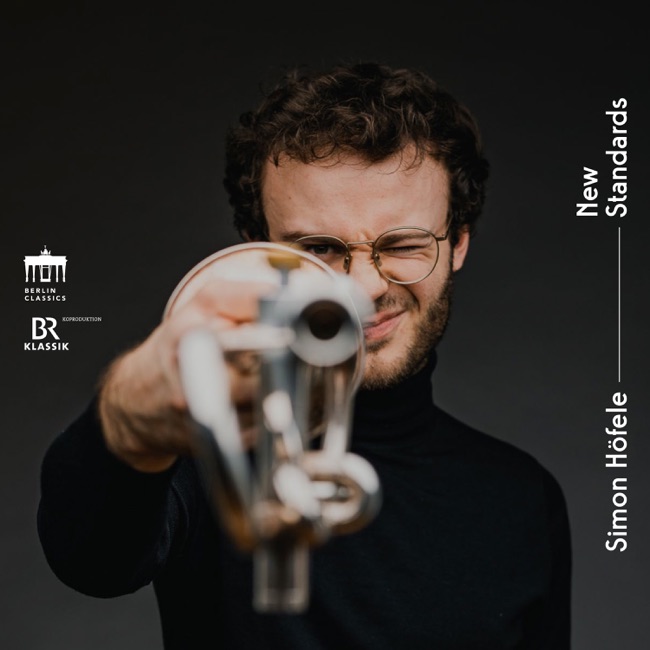 June 4, 2021
 -
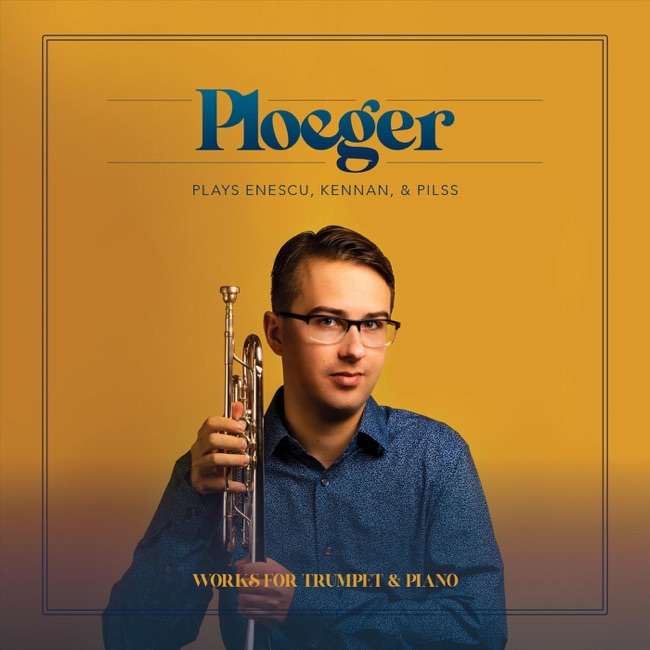 June 15, 2020
 -
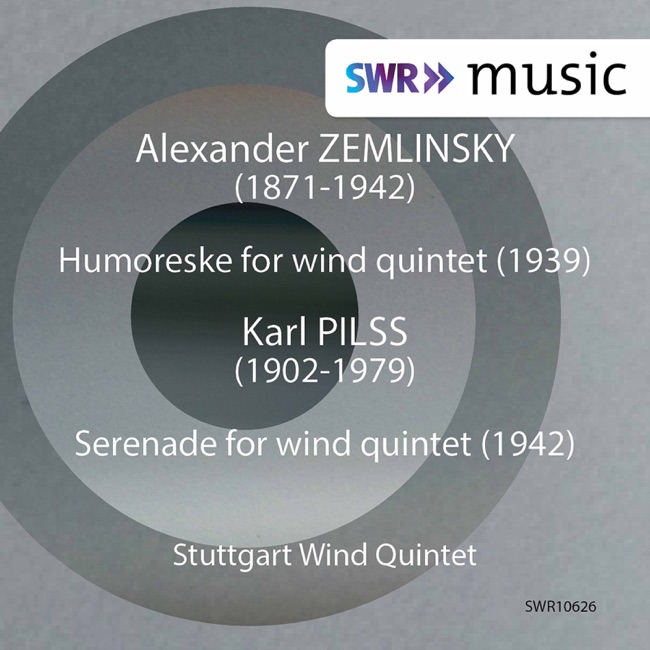 June 12, 2020
 -
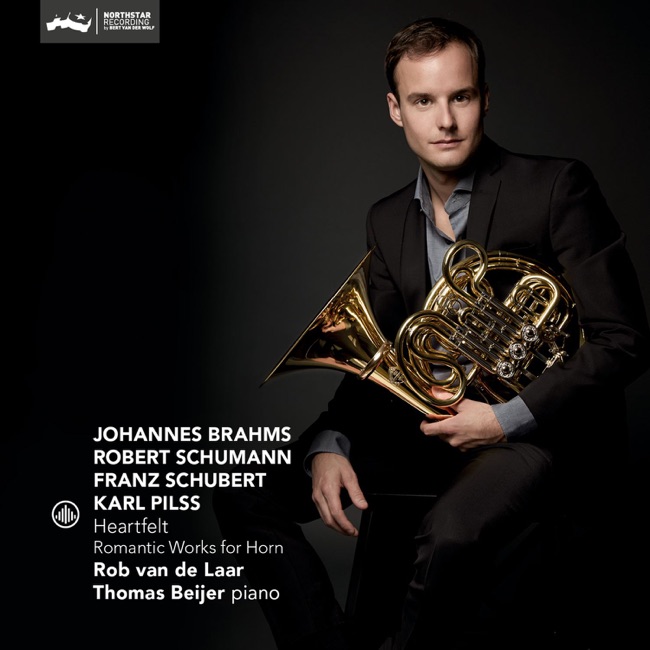 March 3, 2017
 -
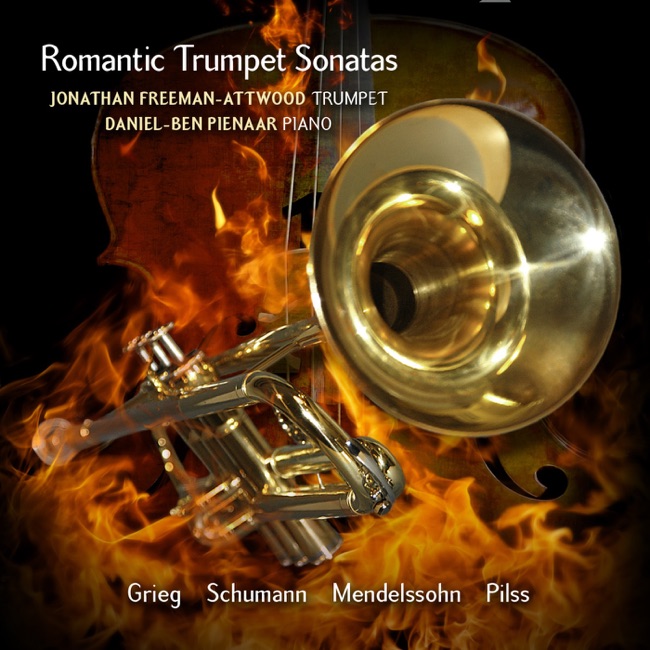 February 1, 2011
 -
 July 1, 2010
Artist Info
Role:ComposerBirth:1902Death:1979Genre:ChamberKarl Pilss was a prominent Austrian composer of the 20th century, known for his contributions to the classical music genre. Born on August 10, 1902, in Vienna, Austria, Pilss grew up in a family of musicians. His father, Karl Pilss Sr., was a renowned violinist and conductor, and his mother, Marie Pilss, was a pianist. From a young age, Pilss was exposed to music and began playing the piano and violin. Pilss attended the Vienna Conservatory, where he studied composition under the tutelage of Joseph Marx and Franz Schmidt. He also studied conducting with Felix Weingartner and Hans Swarowsky. After completing his studies, Pilss worked as a conductor and composer in various cities across Europe, including Berlin, Prague, and Vienna. Pilss' early compositions were heavily influenced by the Romantic era, with lush harmonies and sweeping melodies. However, as he matured as a composer, Pilss began to incorporate more modernist elements into his music. His works often featured complex rhythms and dissonant harmonies, reflecting the changing musical landscape of the 20th century. One of Pilss' most notable works is his Symphony No. 1, which he composed in 1935. The symphony is a powerful and emotional work, with sweeping melodies and lush harmonies. It was well-received by audiences and critics alike, cementing Pilss' reputation as a rising star in the classical music world. In addition to his symphonies, Pilss also composed numerous chamber works, including string quartets, sonatas, and trios. His chamber music is characterized by its intricate counterpoint and complex harmonies, showcasing Pilss' skill as a composer. Pilss' music was not without controversy, however. In 1938, he was forced to flee Austria due to the Nazi occupation. He settled in Switzerland, where he continued to compose and conduct. However, his music was banned in Germany and Austria during the war, and he was unable to return to his home country until after the war ended. After the war, Pilss returned to Vienna, where he continued to compose and conduct. He was appointed the director of the Vienna State Opera in 1955, a position he held until 1961. During his tenure, he oversaw numerous productions and helped to establish the opera as one of the premier institutions in the world. Pilss' later works continued to explore the modernist elements he had incorporated into his music earlier in his career. His Symphony No. 5, composed in 1962, is a prime example of this. The symphony features complex rhythms and dissonant harmonies, reflecting the changing musical landscape of the mid-20th century. Despite his contributions to the classical music genre, Pilss' music is not as well-known as that of some of his contemporaries. However, his works continue to be performed and recorded by orchestras and chamber ensembles around the world. Karl Pilss died on December 23, 1979, in Vienna, Austria. He left behind a legacy of music that continues to inspire and captivate audiences today.More....
Recent Artist Music
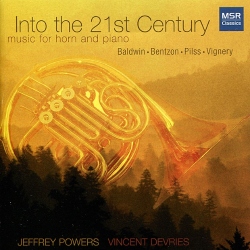

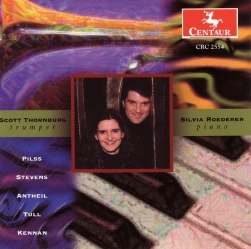
7
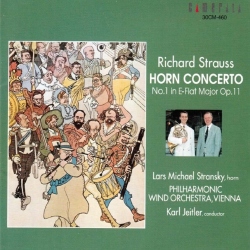
3:43
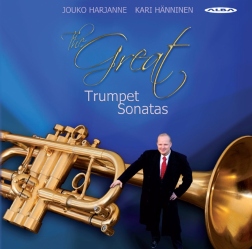

Copyright Ⓒ 2013 Davinci Finger. All rights reseved
Service Terms & Policy