


Erkki Salmenhaara
Released Album
Keyboard
-
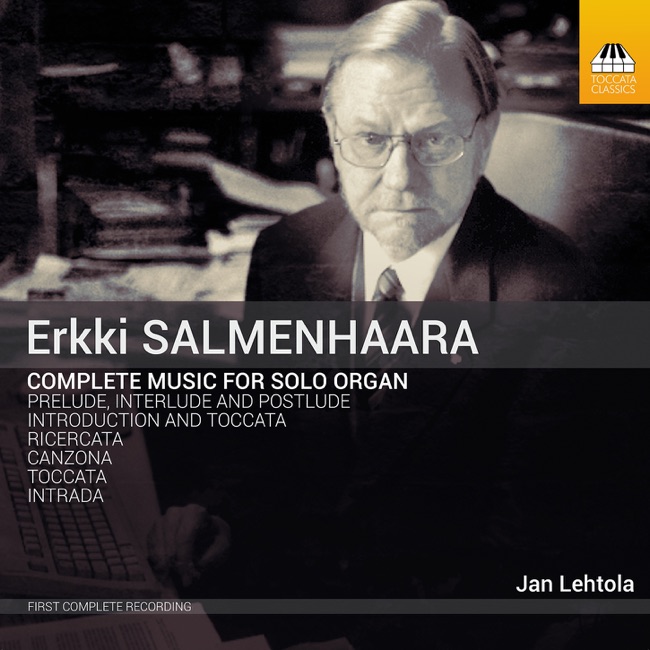 March 6, 2020
 -
 February 8, 2011
 -
 May 18, 1999
Chamber
-
 April 10, 2012
 -
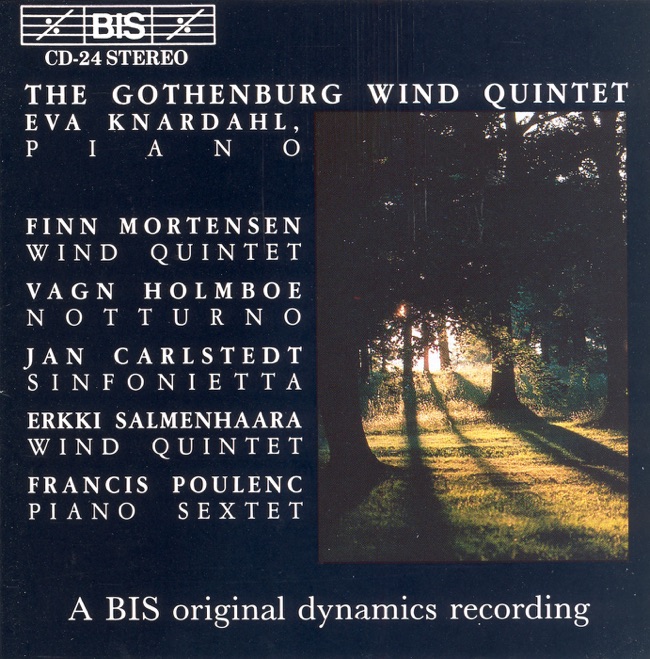 September 22, 1994
Orchestral
-
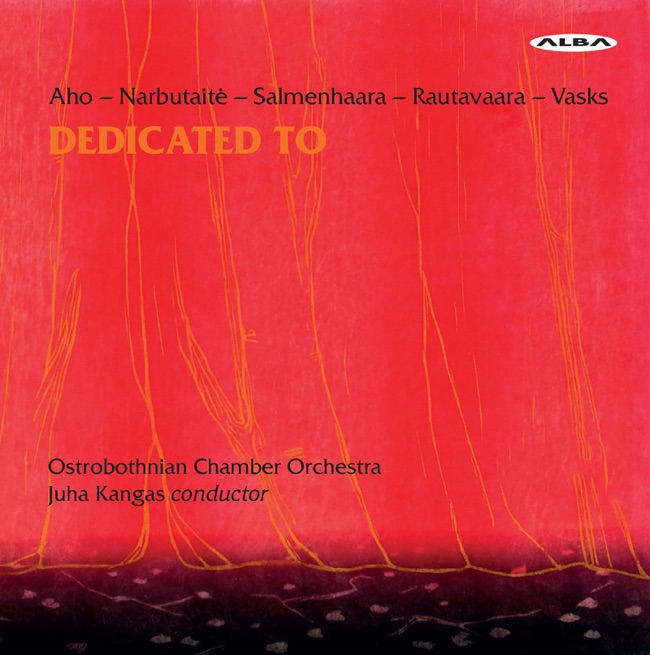 December 1, 2017
 -
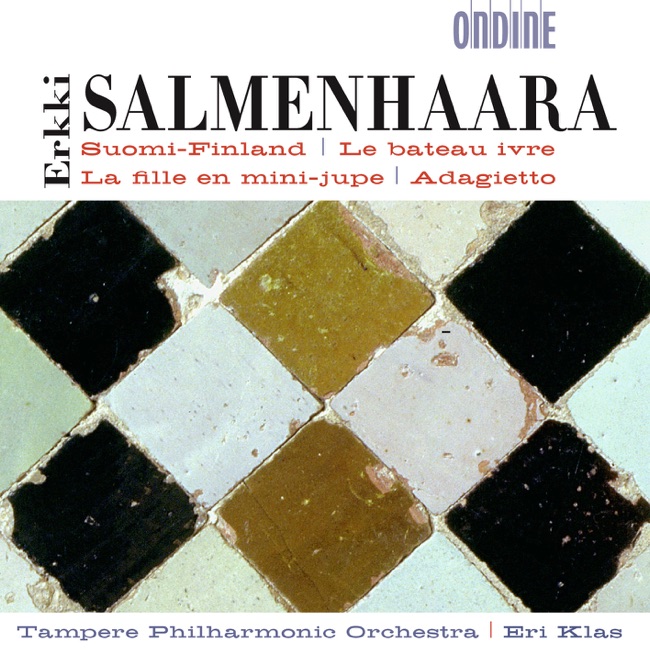
Vocal
-
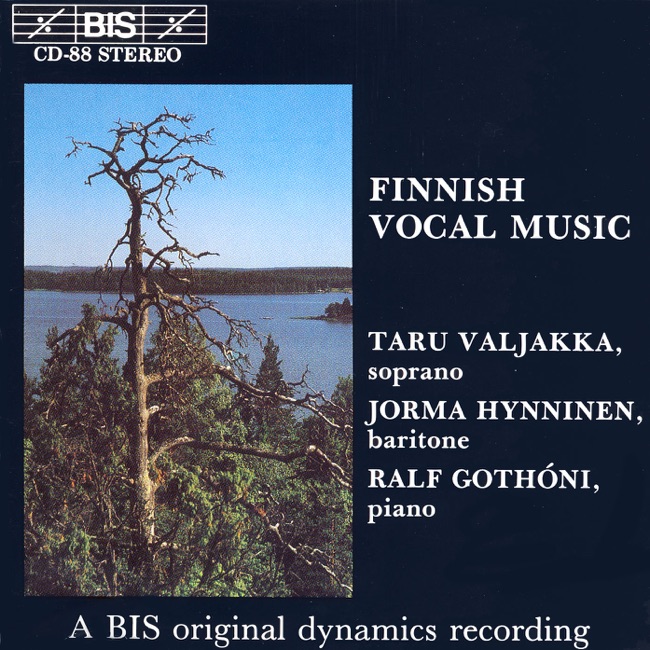 March 25, 1994
Artist Info
Role:ComposerCountry: FinlandBirth:1941Death:2002Period:ContemporaryModernGenre:ChamberChoralSymphonyVocalErkki Salmenhaara was a Finnish composer and musicologist who was born on January 12, 1941, in Helsinki, Finland. He was the son of a composer and conductor, Aarre Salmenhaara, who was a prominent figure in Finnish music. Erkki Salmenhaara grew up in a musical family and began his musical studies at an early age. He studied piano, violin, and music theory at the Sibelius Academy in Helsinki, where he later became a professor of musicology. Salmenhaara's early compositions were influenced by the serialism and atonality of the mid-20th century. However, he later developed his own unique style, which was characterized by a combination of tonality and modernist techniques. His music was often described as being introspective and contemplative, with a focus on texture and timbre. One of Salmenhaara's most significant works is his Symphony No. 1, which was composed in 1968. The symphony is a large-scale work that is divided into four movements. The first movement is characterized by a slow and contemplative theme that is developed throughout the movement. The second movement is more lively and rhythmic, with a focus on the percussion section. The third movement is a slow and introspective adagio, while the fourth movement is a fast and energetic finale. Another notable work by Salmenhaara is his Piano Concerto, which was composed in 1972. The concerto is a virtuosic work that showcases the technical abilities of the soloist. The first movement is characterized by a fast and rhythmic theme that is developed throughout the movement. The second movement is a slow and contemplative adagio, while the third movement is a fast and energetic finale. Salmenhaara also composed a number of chamber works, including his String Quartet No. 2, which was composed in 1975. The quartet is a complex work that is characterized by intricate counterpoint and a wide range of textures. The first movement is a fast and energetic allegro, while the second movement is a slow and introspective adagio. The third movement is a lively scherzo, while the fourth movement is a fast and energetic finale. In addition to his work as a composer, Salmenhaara was also a prominent musicologist. He wrote extensively on the music of Jean Sibelius, and his book on Sibelius's symphonies is considered to be a seminal work on the subject. Salmenhaara was also a professor of musicology at the Sibelius Academy, where he taught for many years. Salmenhaara's music has been performed by orchestras and ensembles around the world, and he is considered to be one of the most important Finnish composers of the 20th century. His unique style, which combined tonality and modernist techniques, has influenced many composers who have come after him. Salmenhaara died on August 12, 2002, in Helsinki, Finland, but his music continues to be performed and studied by musicians and scholars around the world.More....
Recent Artist Music
4
20:39

Copyright Ⓒ 2013 Davinci Finger. All rights reseved
Service Terms & Policy