


Josef Bayer
Released Album
Ballet
-
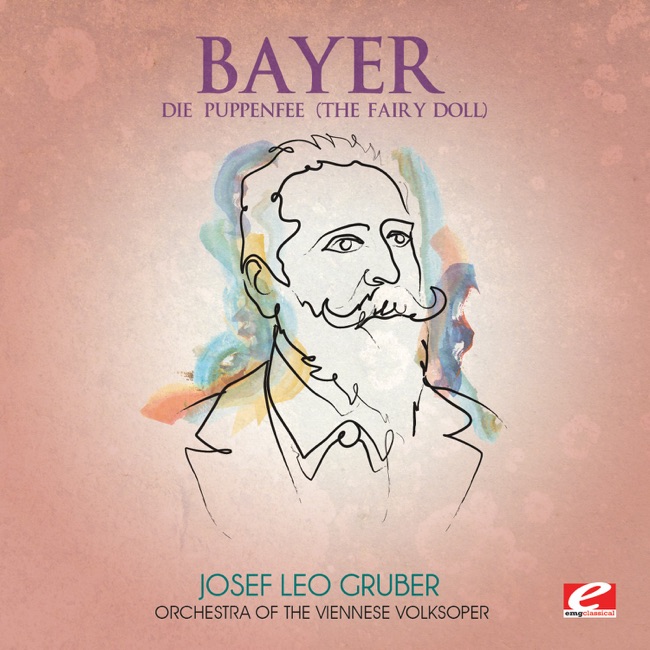 February 13, 2013
 -
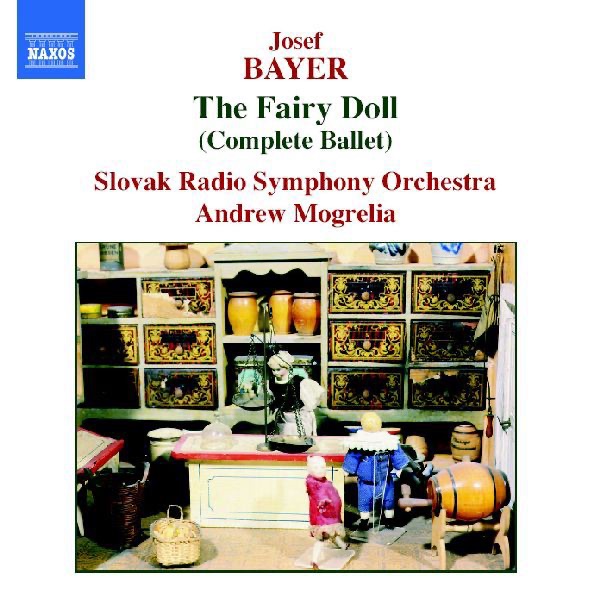 July 20, 2004
 -
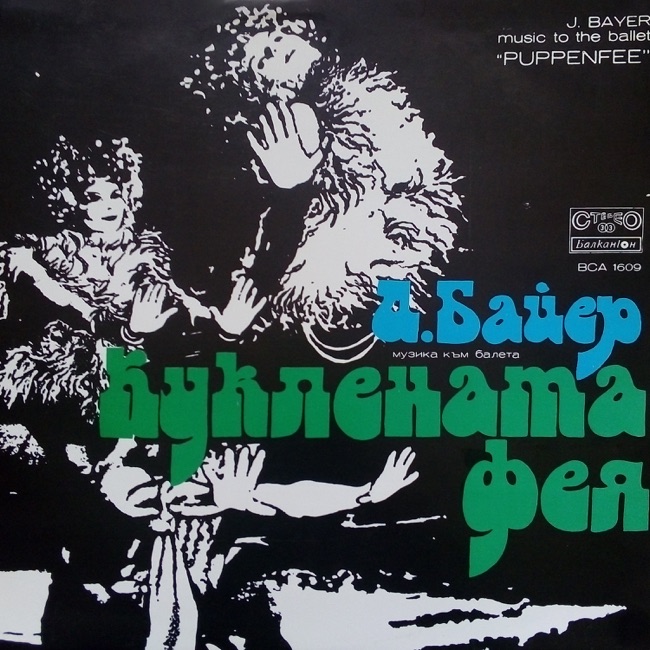 February 16, 1974
Orchestral
-
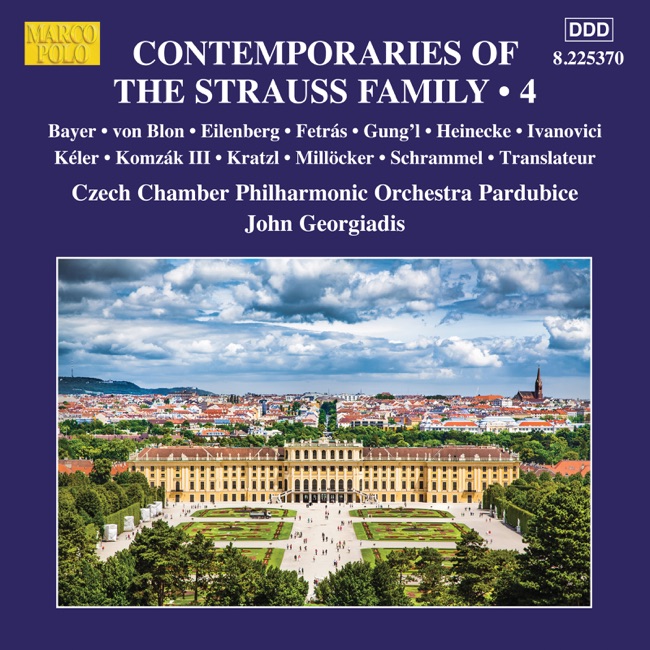 June 14, 2019
Artist Info
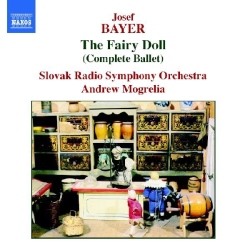
Role:ComposerBirth:1852Death:1913Period:RomanticGenre:BalletJosef Bayer was a prominent Austrian composer of the late 19th and early 20th centuries. He was born on March 12, 1852, in Vienna, Austria, to a family of musicians. His father, Joseph Bayer, was a violinist and conductor, and his mother, Maria Anna Bayer, was a singer. Josef Bayer showed an early interest in music and began studying the piano and violin at a young age. Bayer's musical education began at the Vienna Conservatory, where he studied composition with Anton Bruckner and piano with Julius Epstein. He also studied with Johann Strauss II, who was a family friend. Strauss had a significant influence on Bayer's music, and he later dedicated his waltz "Wiener Frauen" to Strauss. After completing his studies at the conservatory, Bayer began his career as a conductor and composer. He worked as a conductor at various theaters in Vienna, including the Carltheater and the Theater an der Wien. He also composed music for the stage, including operettas, ballets, and incidental music for plays. Bayer's most famous work is his ballet "Die Puppenfee" (The Fairy Doll), which premiered in Vienna in 1888. The ballet tells the story of a young girl who receives a magical doll that comes to life and takes her on a journey through a magical world. The music is light and playful, with catchy melodies and lively rhythms. The ballet was a huge success and has remained popular to this day. In addition to "Die Puppenfee," Bayer composed several other ballets, including "Excelsior," "Die Schöne Galathée," and "Der Schmetterling." He also wrote operettas, including "Ein Walzertraum" and "Die Csárdásfürstin," which were popular in their time but are less well-known today. Bayer's music is characterized by its lightness and charm. He was a master of the waltz, and his music is full of catchy melodies and lively rhythms. His music was popular in Vienna during his lifetime and was often performed at balls and other social events. Bayer was also a skilled orchestrator, and his music is known for its colorful and imaginative orchestration. He often used unusual instruments, such as the celesta and the harp, to create a magical and ethereal sound. Despite his success as a composer, Bayer struggled with financial difficulties throughout his life. He was never able to achieve the same level of success as his contemporaries, such as Johann Strauss II and Franz Lehár. He died on November 20, 1913, in Vienna, at the age of 61. Today, Bayer's music is not as well-known as that of his contemporaries, but it remains popular among fans of classical and light music. His ballet "Die Puppenfee" is still performed today, and his waltzes and other works are often included in concerts and recordings of Viennese music. In conclusion, Josef Bayer was a talented composer and conductor who made significant contributions to the world of classical and light music. His music is characterized by its lightness and charm, and he was a master of the waltz. Despite his financial struggles, he left behind a legacy of beautiful and imaginative music that continues to be enjoyed by audiences around the world.More....
Recent Artist Music


Copyright Ⓒ 2013 Davinci Finger. All rights reseved
Service Terms & Policy