


Alèmu Aga
Released Album
Miscellaneous
-
 December 31, 2012
 -
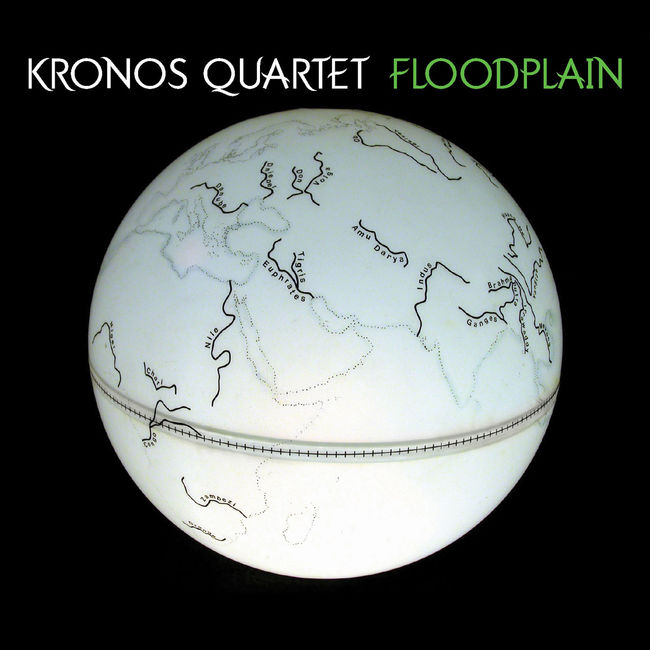 May 29, 2009
Artist Info
Role:ComposerCountry: EthiopiaBirth:in EthiopiaAlèmu Aga was a renowned Ethiopian composer and musician who made significant contributions to the development of classical music in Ethiopia. He was born on January 15, 1940, in the town of Addis Alem, located in the Oromia region of Ethiopia. His parents were both musicians, and they played a significant role in nurturing his musical talent from a young age. Alèmu Aga's musical journey began when he was just six years old, and he started playing the krar, a traditional Ethiopian stringed instrument. He quickly showed a natural aptitude for music, and his parents recognized his potential. They encouraged him to pursue his passion for music and provided him with the necessary resources to develop his skills. At the age of 12, Alèmu Aga began studying the piano under the tutelage of Italian missionaries who had established a music school in Addis Ababa. He quickly excelled in his studies and became one of the most promising young musicians in the country. He continued his studies at the Yared School of Music, where he learned to play a variety of instruments, including the violin, cello, and trumpet. Alèmu Aga's talent as a composer was evident from an early age. He began composing music while still in school, and his works were well-received by his teachers and peers. His compositions were characterized by a unique blend of traditional Ethiopian music and Western classical music, which he had learned during his studies. One of Alèmu Aga's most significant contributions to Ethiopian music was his development of a new musical notation system. The traditional Ethiopian music notation system was based on a series of symbols that represented different pitches and rhythms. However, this system was not well-suited to Western classical music, which required a more precise and detailed notation system. Alèmu Aga developed a new system that combined elements of both the traditional Ethiopian system and Western notation. This new system allowed Ethiopian musicians to perform Western classical music with greater accuracy and precision. Alèmu Aga's compositions were diverse and included works for solo instruments, chamber ensembles, and orchestras. One of his most famous works is the "Ethiopian Suite," which was composed in 1963. The suite is a collection of five pieces that are based on traditional Ethiopian melodies and rhythms. The suite was well-received by audiences and helped to establish Alèmu Aga as one of the leading composers in Ethiopia. Another notable work by Alèmu Aga is the "Concerto for Piano and Orchestra," which was composed in 1972. The concerto is a virtuosic work that showcases Alèmu Aga's skills as both a composer and a pianist. The work is characterized by its use of Ethiopian melodies and rhythms, which are combined with Western classical forms and techniques. Alèmu Aga's contributions to Ethiopian music were not limited to his compositions. He was also a dedicated teacher and mentor to many young musicians in Ethiopia. He taught at the Yared School of Music for many years and helped to train a new generation of Ethiopian musicians. Many of his students went on to become successful musicians and composers in their own right. Alèmu Aga's legacy continues to be felt in Ethiopia and beyond. His compositions and musical innovations have helped to establish a unique Ethiopian classical music tradition that is recognized and respected around the world.More....
Copyright Ⓒ 2013 Davinci Finger. All rights reseved
Service Terms & Policy