


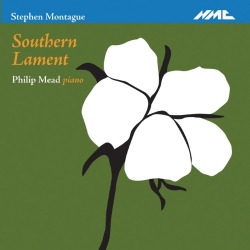
Stephen Montague
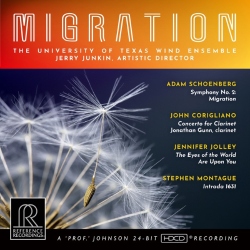
Released Album
Chamber
-
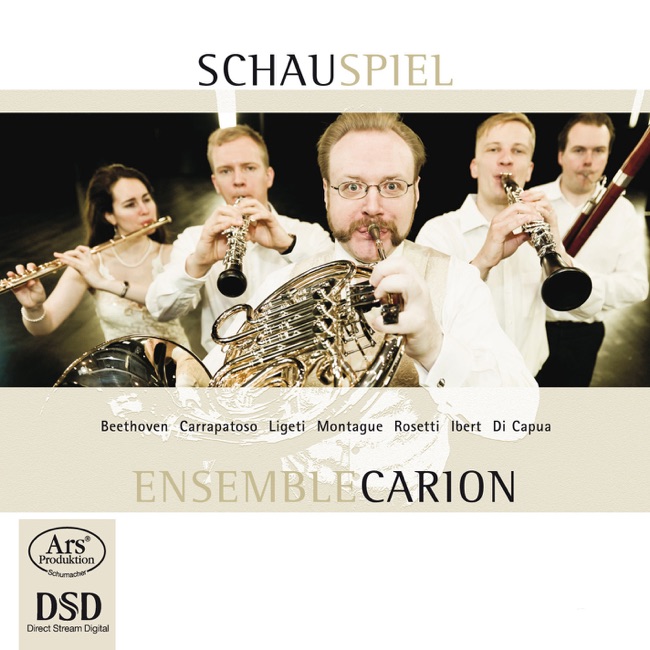 December 9, 2013
 -
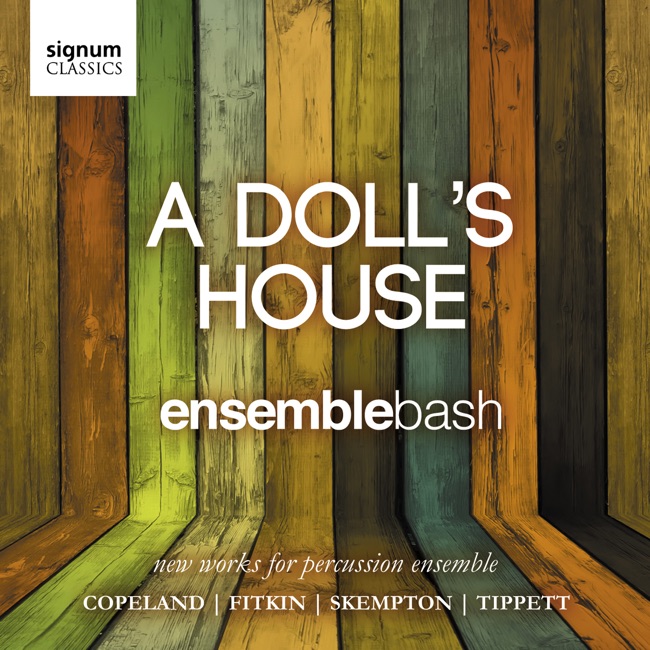 August 27, 2012
 -
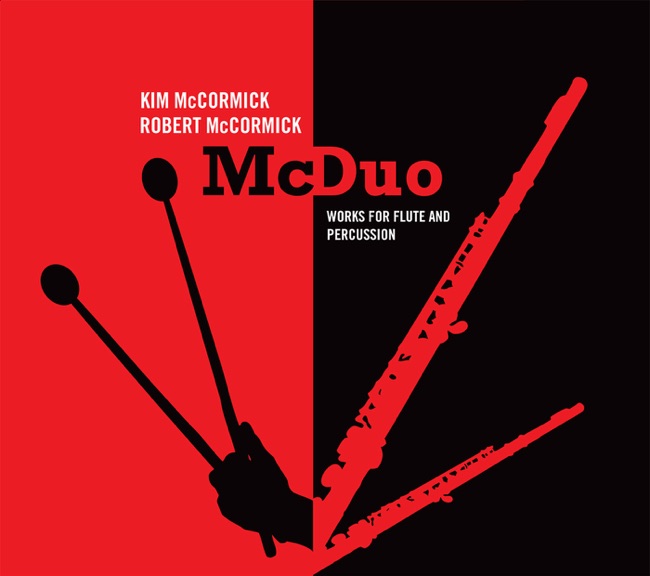 July 26, 2011
 -
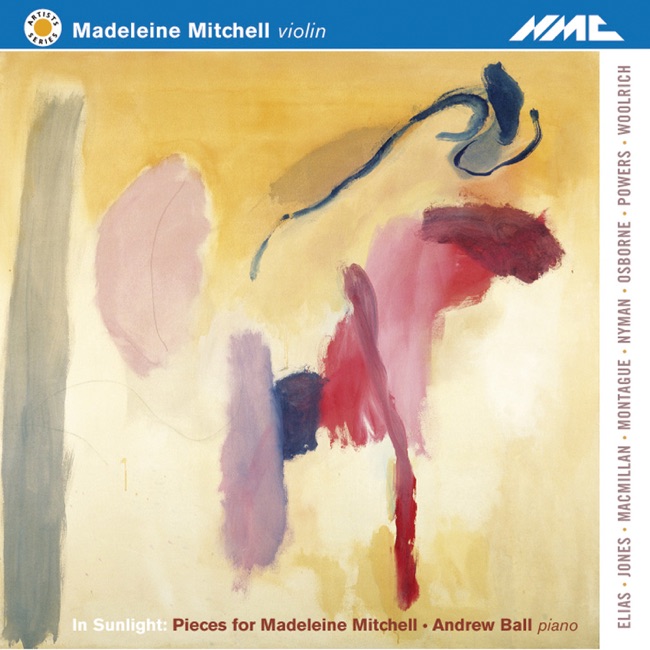 May 1, 2005
Keyboard
-
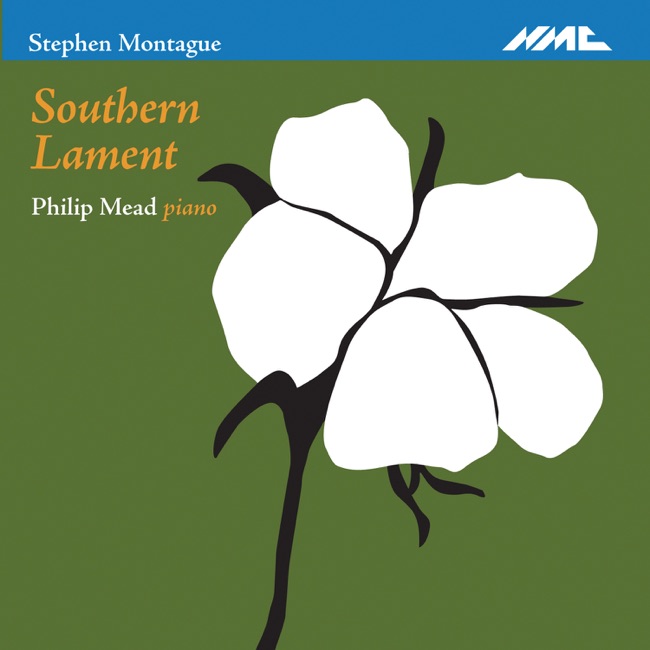
 March 31, 2014
 -
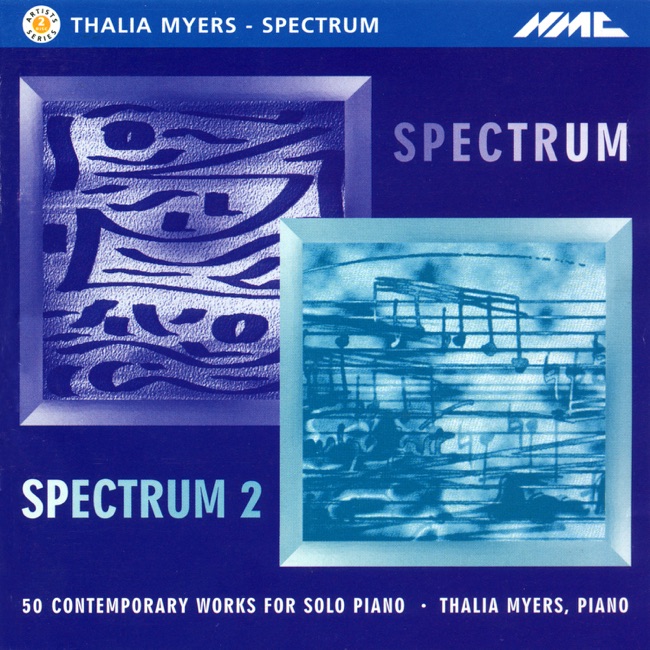
 February 1, 2006
 -
 March 1, 1999
 -
 May 13, 1997
Vocal
-
 March 31, 2009
Artist Info
Role:Composer Conductor PerformerCountry: United KingdomBirth:1943 in Syracuse, NYPeriod:ContemporaryGenre:Avant-GardeOrchestralStephen Montague is a renowned classical music composer who has made significant contributions to the world of contemporary music. Born on May 17, 1943, in California, Montague grew up in a family of musicians. His father was a jazz pianist, and his mother was a singer. Montague started playing the piano at a young age and showed a keen interest in music from an early age. Montague's musical journey began when he moved to London in the 1960s to study music at the Royal Academy of Music. During his time at the academy, he studied composition under the tutelage of Lennox Berkeley and piano under Gordon Green. Montague's early works were influenced by the avant-garde music of the time, and he experimented with various musical styles and techniques. In the 1970s, Montague became interested in electronic music and started incorporating electronic sounds into his compositions. He also began collaborating with other artists, including dancers and visual artists, to create multimedia performances. Montague's works from this period include "Mirage," a piece for piano and tape, and "The Creatures of Prometheus," a multimedia performance that combined music, dance, and video. Montague's breakthrough came in the 1980s when he composed "Dark Sun – Fragments of a Time to Come," a large-scale work for orchestra, choir, and electronics. The piece was inspired by the nuclear arms race and the threat of nuclear war, and it received critical acclaim for its powerful and haunting soundscapes. "Dark Sun" established Montague as a leading figure in contemporary music and earned him international recognition. Montague continued to push the boundaries of classical music in the 1990s and 2000s, experimenting with new sounds and techniques. He composed several works for percussion, including "Mirage," a piece for marimba and electronics, and "The Time Inside the Time," a piece for percussion ensemble. Montague also continued to collaborate with other artists, including choreographers and visual artists, to create multimedia performances. One of Montague's most notable works from this period is "African Dances," a piece for orchestra and African percussion. The piece was inspired by Montague's travels to Africa and incorporates traditional African rhythms and melodies into a contemporary classical music context. "African Dances" has been performed by orchestras around the world and has become one of Montague's most popular works. Montague's later works include "The Unending Rose," a piece for choir and electronics, and "The River," a multimedia performance that combines music, dance, and video. Montague has also continued to teach and mentor young composers, and he has held teaching positions at several universities, including the Royal Academy of Music and the University of Huddersfield. Montague's music is characterized by its innovative use of electronic sounds, its incorporation of traditional music from around the world, and its powerful and evocative soundscapes. His works have been performed by some of the world's leading orchestras and ensembles, and he has received numerous awards and honors for his contributions to contemporary music. In conclusion, Stephen Montague is a pioneering composer who has made significant contributions to the world of contemporary classical music.More....


Copyright Ⓒ 2013 Davinci Finger. All rights reseved
Service Terms & Policy