


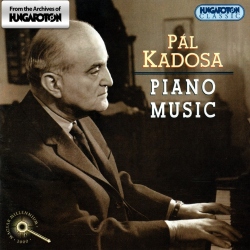
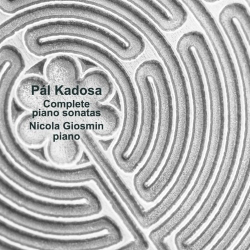
Pál Kadosa
Released Album
Keyboard
-
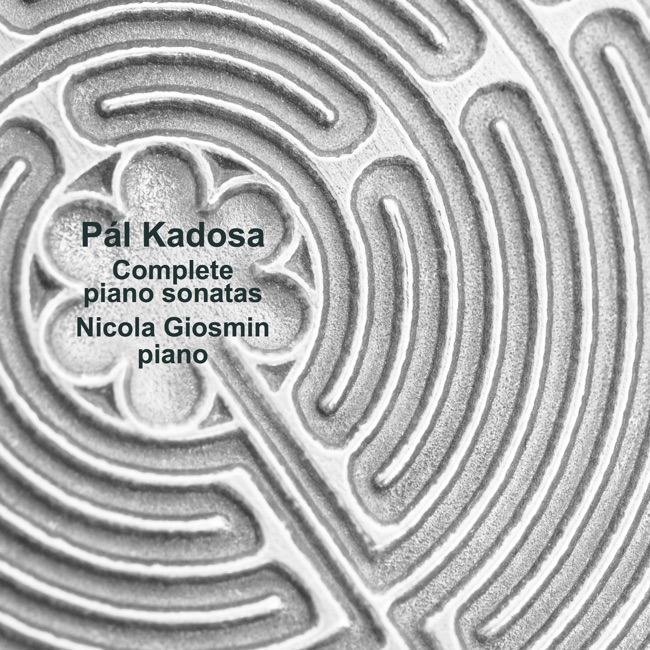 December 15, 2013
 -
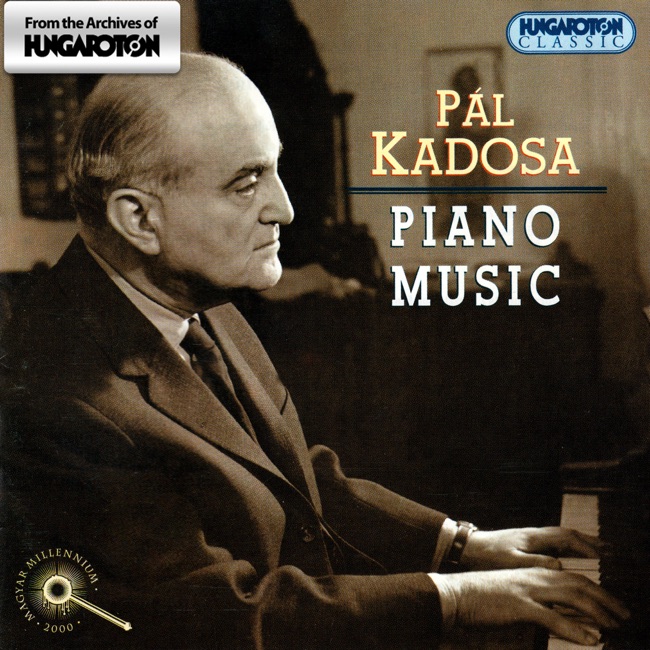 June 26, 2001
Vocal
-
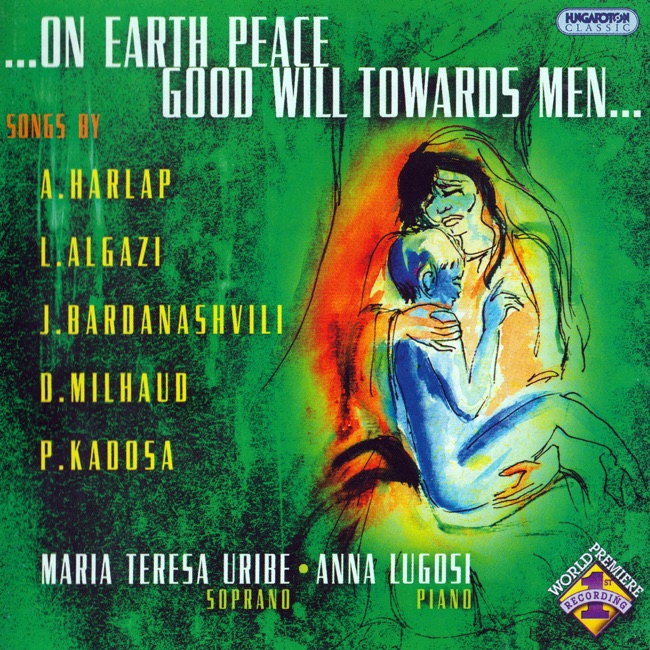 July 26, 2005
Artist Info
Role:ComposerCountry: HungaryBirth:September 6, 1903 in Leva, HungaryDeath:March 30, 1983 in Budapest, HungaryPeriod:ModernGenre:ConcertoKeyboardPál Kadosa was a Hungarian composer and pianist who was born on August 16, 1903, in Budapest, Hungary. He was the son of a Jewish family, and his father was a successful businessman. Kadosa showed an early interest in music and began playing the piano at a young age. He studied at the Franz Liszt Academy of Music in Budapest, where he was a student of Zoltán Kodály and Béla Bartók. Kadosa's early compositions were influenced by the folk music of Hungary, and he became known for his use of Hungarian folk melodies in his works. He also drew inspiration from the works of other composers, including Bach, Beethoven, and Debussy. Kadosa's music was characterized by its lyricism, rhythmic complexity, and use of unconventional harmonies. In 1926, Kadosa made his debut as a pianist, performing his own Piano Sonata No. 1. He went on to perform as a soloist and chamber musician throughout Europe, and he also taught at the Franz Liszt Academy of Music. Kadosa's compositions began to gain recognition, and he received several awards and honors for his work. During World War II, Kadosa was forced to flee Hungary due to his Jewish heritage. He spent several years in Switzerland before settling in Paris in 1947. While in Paris, Kadosa continued to compose and perform, and he also taught at the École Normale de Musique de Paris. He became a French citizen in 1956. Kadosa's compositions from this period were influenced by his experiences during the war and his time in exile. His works became more introspective and somber, and he began to experiment with new techniques and forms. Kadosa's music from this period includes his String Quartet No. 2, which was dedicated to the memory of his father, who died in a concentration camp during the war. In 1960, Kadosa returned to Hungary, where he continued to compose and teach. He became a professor at the Franz Liszt Academy of Music, and he also served as the director of the Hungarian Radio Symphony Orchestra. Kadosa's later works were characterized by their simplicity and clarity, and he continued to draw inspiration from Hungarian folk music. Kadosa's most famous works include his Piano Sonata No. 2, which was premiered by the composer in 1930, and his String Quartet No. 1, which was premiered in 1933. Other notable works include his Piano Concerto, his Symphony No. 1, and his opera, The Spinning Room. Kadosa's music has been performed and recorded by many notable musicians and ensembles, including the Budapest String Quartet, the Hungarian State Symphony Orchestra, and the pianist Zoltán Kocsis. His works have been praised for their originality, emotional depth, and technical skill. Pál Kadosa died on February 20, 1983, in Budapest, Hungary. He is remembered as one of Hungary's most important composers of the 20th century, and his music continues to be performed and studied around the world.More....
Copyright Ⓒ 2013 Davinci Finger. All rights reseved
Service Terms & Policy