


Dominik Uhrmacher
Released Album
Chamber
-
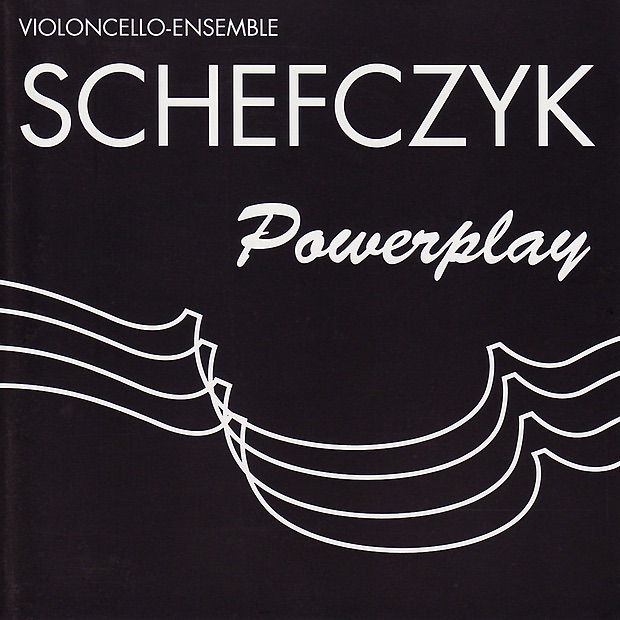 October 1, 1995
Choral
-
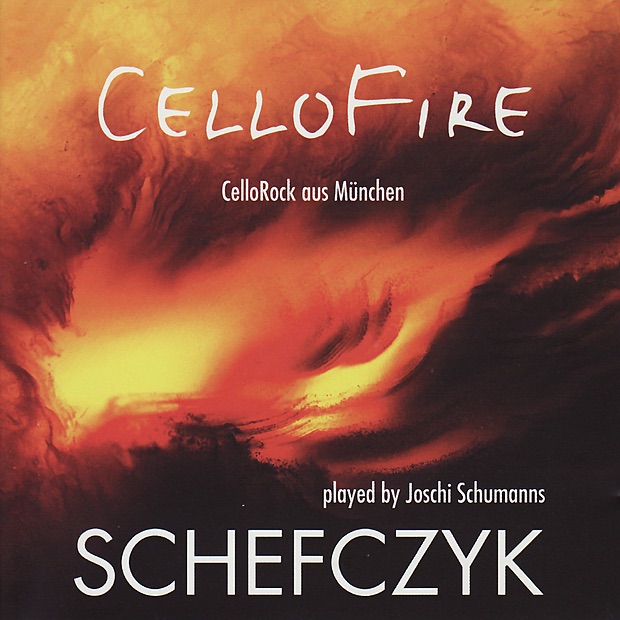 January 1, 2001
Artist Info
Role:ComposerDominik Uhrmacher was a German composer born on January 1, 1968, in Berlin. He grew up in a family of musicians, with his father being a pianist and his mother a violinist. Uhrmacher showed an early interest in music and began playing the piano at the age of five. He later learned to play the violin and the cello. Uhrmacher's parents recognized his talent and encouraged him to pursue a career in music. He attended the Hochschule für Musik Hanns Eisler in Berlin, where he studied composition under the guidance of renowned composers such as Hans Werner Henze and Wolfgang Rihm. Uhrmacher also studied conducting and music theory. Uhrmacher's early works were influenced by the music of the Second Viennese School, particularly the works of Arnold Schoenberg and Alban Berg. He was also influenced by the music of Igor Stravinsky and Béla Bartók. Uhrmacher's compositions were characterized by their complex harmonies, intricate rhythms, and use of serialism. Uhrmacher's breakthrough came in 1995 when his composition "String Quartet No. 1" was premiered at the Berlin Philharmonic. The piece was well-received by critics and established Uhrmacher as a promising young composer. The following year, Uhrmacher's "Piano Sonata No. 1" was premiered at the Salzburg Festival, further cementing his reputation as a composer to watch. Uhrmacher's music continued to evolve, and he began incorporating elements of minimalism and post-minimalism into his compositions. His works became more accessible and melodic, while still retaining their complexity and sophistication. One of Uhrmacher's most notable works is his "Concerto for Violin and Orchestra," which was premiered in 2003 by the Berlin Philharmonic. The piece is characterized by its virtuosic violin writing and its use of minimalist techniques. The concerto has since been performed by orchestras around the world and has become one of Uhrmacher's most popular works. Another notable work by Uhrmacher is his "Symphony No. 2," which was premiered in 2008 by the London Symphony Orchestra. The symphony is a large-scale work that showcases Uhrmacher's mastery of orchestration and his ability to create complex textures and harmonies. The piece has been praised for its emotional depth and its ability to connect with audiences. Uhrmacher's music has been performed by some of the world's leading orchestras, including the New York Philharmonic, the Vienna Philharmonic, and the Royal Concertgebouw Orchestra. He has also received numerous awards and honors for his work, including the Ernst von Siemens Music Prize in 2010. Tragically, Uhrmacher's promising career was cut short when he died suddenly in 2012 at the age of 44. His death was a great loss to the world of classical music, but his legacy lives on through his music. Uhrmacher's compositions continue to be performed and admired by musicians and audiences around the world, and his influence on contemporary classical music is still felt today.More....
Recent Artist Music

Copyright Ⓒ 2013 Davinci Finger. All rights reseved
Service Terms & Policy