


Eduard Ivanovich Bagdasarian
Released Album
Chamber
-
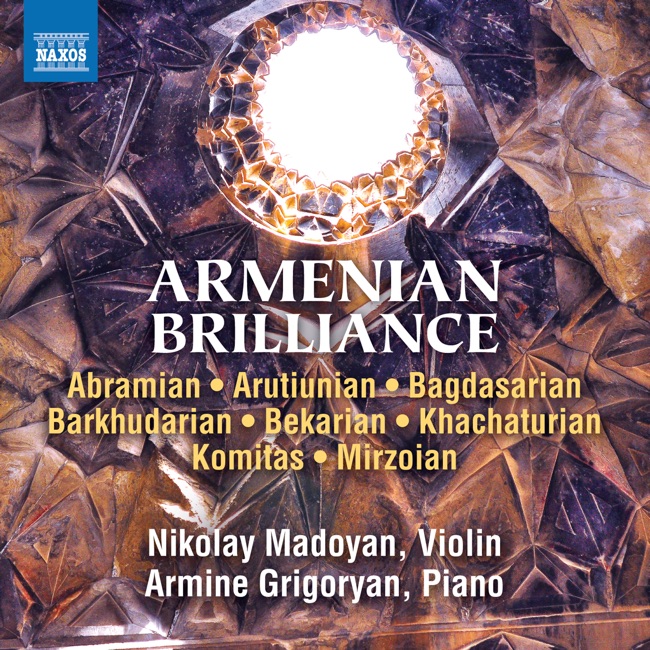 October 13, 2023
Keyboard
-
 June 9, 2015
 -
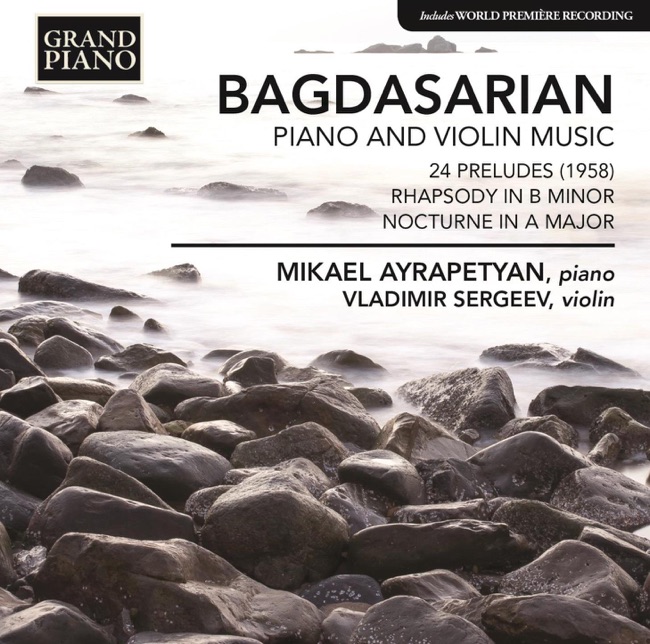 June 10, 2014
Artist Info
Role:ComposerBirth:1922Death:1987Eduard Ivanovich Bagdasarian was a prominent classical music composer of the 20th century. He was born on January 1, 1922, in Tbilisi, Georgia, which was then a part of the Soviet Union. Bagdasarian was born into a family of musicians, and his father, Ivan Bagdasarian, was a well-known composer and conductor. His mother, Nadezhda Bagdasarian, was a pianist and music teacher. Bagdasarian showed an early interest in music and began studying the piano at the age of six. He later studied composition at the Tbilisi Conservatory, where he was a student of the renowned composer and conductor, Vissarion Shebalin. Bagdasarian graduated from the conservatory in 1944 and went on to work as a composer and music teacher. Bagdasarian's early works were heavily influenced by the music of his father and other Soviet composers of the time. His first major composition was a piano concerto, which he wrote in 1945. The concerto was well-received and helped establish Bagdasarian as a promising young composer. In the 1950s, Bagdasarian began to experiment with new musical forms and techniques. He was particularly interested in the use of electronic music and began incorporating electronic sounds into his compositions. In 1957, he wrote his first electronic composition, "Symphony of the Future," which was performed at the Moscow Conservatory. Throughout the 1960s and 1970s, Bagdasarian continued to explore new musical forms and techniques. He wrote several operas, including "The Legend of the Invisible City of Kitezh," which was based on a Russian folk tale. He also wrote several ballets, including "The Snow Maiden" and "The Nutcracker," which were both based on classic fairy tales. Bagdasarian's music was known for its emotional depth and complexity. He often used unconventional harmonies and rhythms, and his compositions were characterized by their rich orchestration and use of electronic sounds. His music was also heavily influenced by Russian folk music and often incorporated traditional folk melodies and rhythms. Bagdasarian's most famous work is his "Armenian Rhapsody," which he wrote in 1962. The rhapsody is a tribute to his Armenian heritage and incorporates traditional Armenian folk melodies and rhythms. The piece was an instant success and has since become a staple of the classical music repertoire. Bagdasarian continued to compose music until his death in 1987. His legacy as a composer and innovator in the field of classical music continues to be celebrated today. His works have been performed by orchestras and ensembles around the world, and his influence can be heard in the music of many contemporary composers.More....
Recent Artist Music


Recommend Playlist


Copyright Ⓒ 2013 Davinci Finger. All rights reseved
Service Terms & Policy