


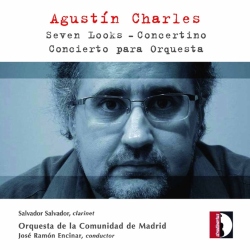
Agustín Charles
Released Album
Chamber
-
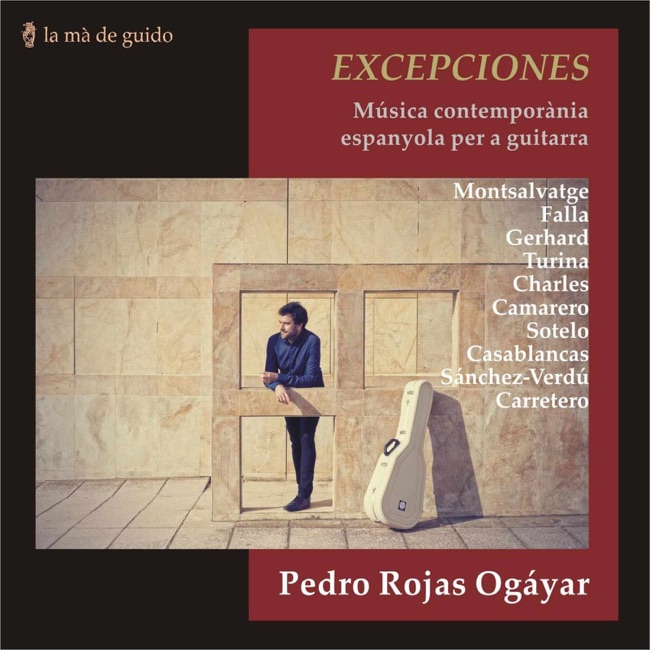 February 9, 2016
 -
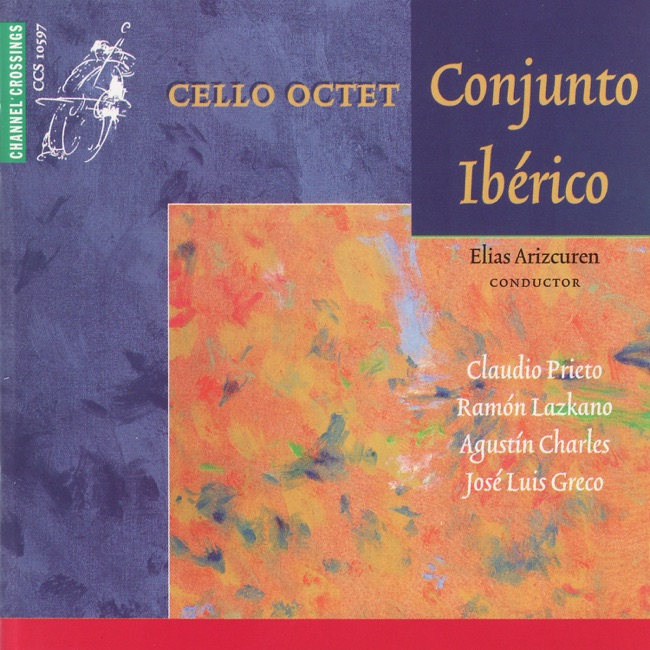 November 1, 1997
Concerto
-
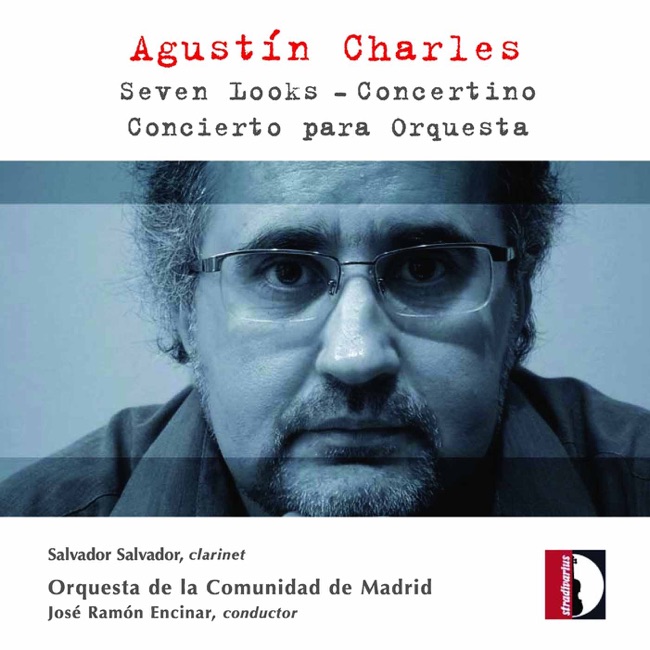 June 10, 2008
Artist Info
Role:Composer ConductorCountry: SpainBirth:1960Period:ModernGenre:ChamberAgustín Charles was a Spanish composer who was born on January 28, 1888, in Barcelona, Spain. He was the son of a music teacher and grew up in a musical family. His father, Joan Charles, was a well-known composer and conductor in Barcelona, and his mother, Maria Teresa, was a pianist. Charles showed an early interest in music and began studying piano and composition at a young age. Charles studied at the Barcelona Conservatory, where he was a student of Felip Pedrell, a prominent musicologist and composer who was instrumental in the revival of traditional Catalan music. Charles was deeply influenced by Pedrell's teachings and became interested in incorporating Catalan folk music into his compositions. In 1911, Charles moved to Paris to study with Vincent d'Indy at the Schola Cantorum. While in Paris, he was exposed to the works of Debussy, Ravel, and Stravinsky, which had a profound impact on his musical style. Charles also became involved in the Spanish artistic community in Paris, which included artists such as Pablo Picasso and Juan Gris. Charles returned to Barcelona in 1914 and began teaching at the Barcelona Conservatory. He also became involved in the cultural and political life of Catalonia, which was experiencing a cultural renaissance at the time. Charles was a member of the Catalan nationalist movement and was involved in the creation of the Orfeó Català, a choral society dedicated to the promotion of Catalan music. Charles's early works were heavily influenced by Catalan folk music and the French impressionist style. His first major work, the Suite for Orchestra, was premiered in 1916 and was well-received by audiences and critics alike. The suite was followed by a series of chamber works, including the String Quartet No. 1 and the Piano Trio. In the 1920s, Charles's music became more experimental and modernist. He began incorporating elements of atonality and dissonance into his compositions, which caused controversy among traditionalists. His most famous work from this period is the ballet El retaule del flautista, which was premiered in 1926. The ballet is based on a Catalan folk tale and features a score that combines traditional Catalan melodies with modernist techniques. In the 1930s, Charles's music became more political in nature. He was a supporter of the Republican government during the Spanish Civil War and composed several works that expressed his political views. His most famous work from this period is the Cantata de la Guerra, which was premiered in 1937. The cantata is a powerful anti-war statement that combines traditional Catalan melodies with modernist techniques. After the Spanish Civil War, Charles's music became more introspective and personal. He composed several works that reflected his own spiritual and philosophical beliefs, including the String Quartet No. 2 and the Symphony No. 2. Charles continued to compose until his death in 1974, leaving behind a legacy of innovative and deeply personal works. In conclusion, Agustín Charles was a pioneering composer who played a significant role in the cultural and political life of Catalonia. His music was deeply influenced by Catalan folk music, French impressionism, and modernist techniques. Charles's works were often controversial and challenged traditionalist views of music.More....
Recent Artist Music
2
13:3
Copyright Ⓒ 2013 Davinci Finger. All rights reseved
Service Terms & Policy