


Otto Luening
Released Album
Chamber
-
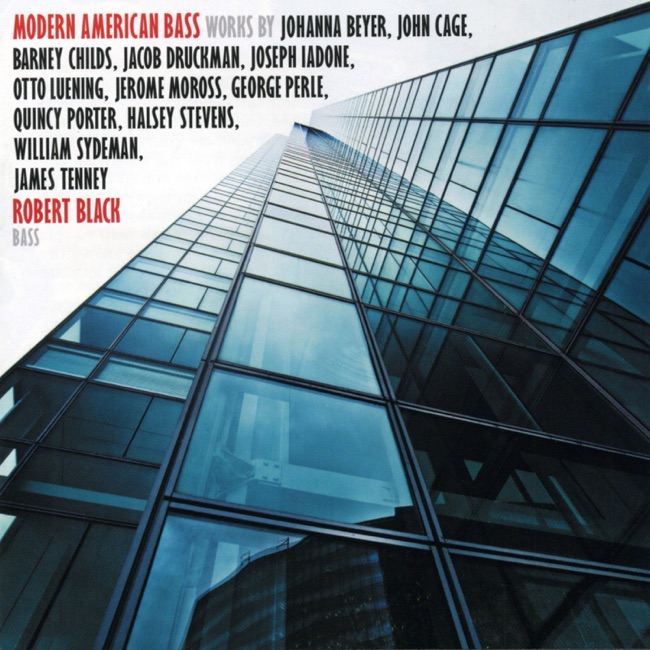 November 8, 2011
 -
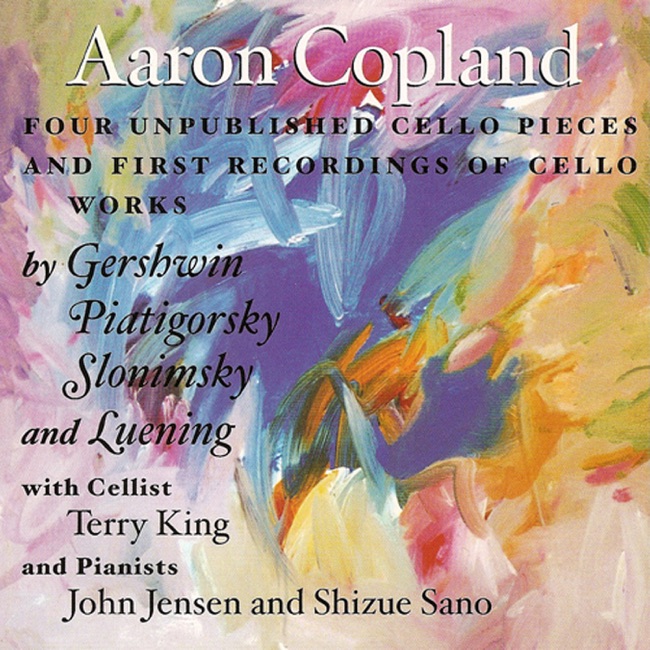
-
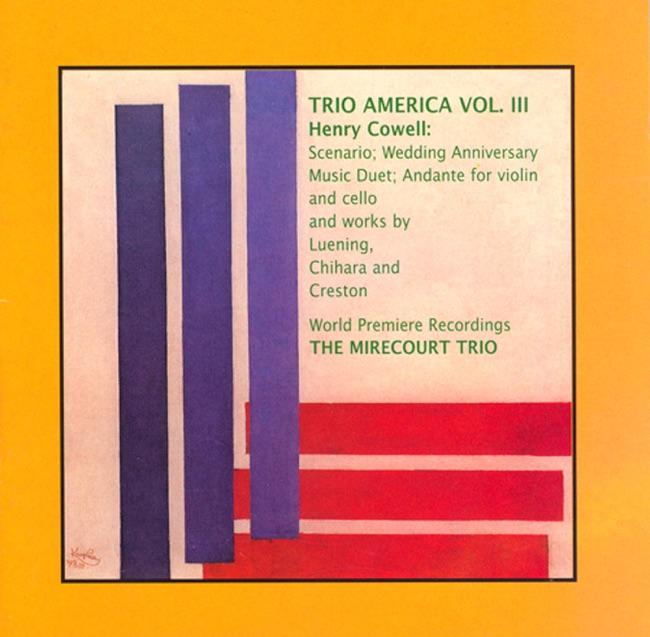 May 23, 2000
 -
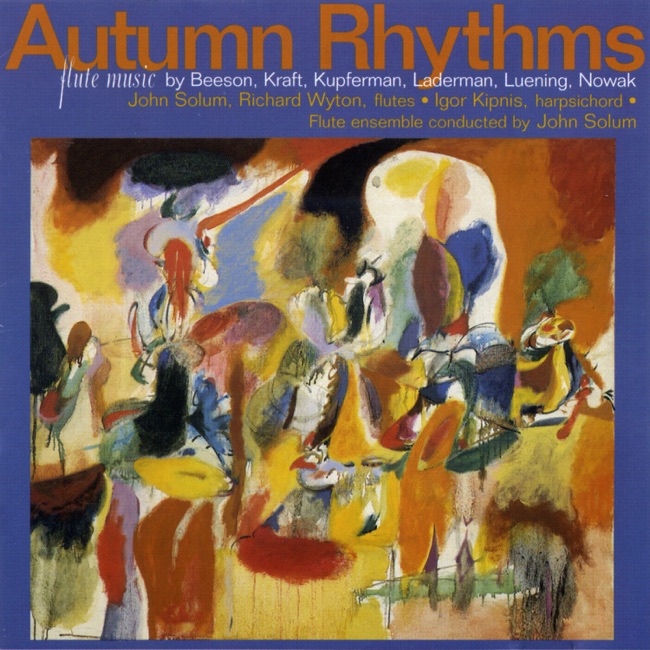 June 18, 1996
 -
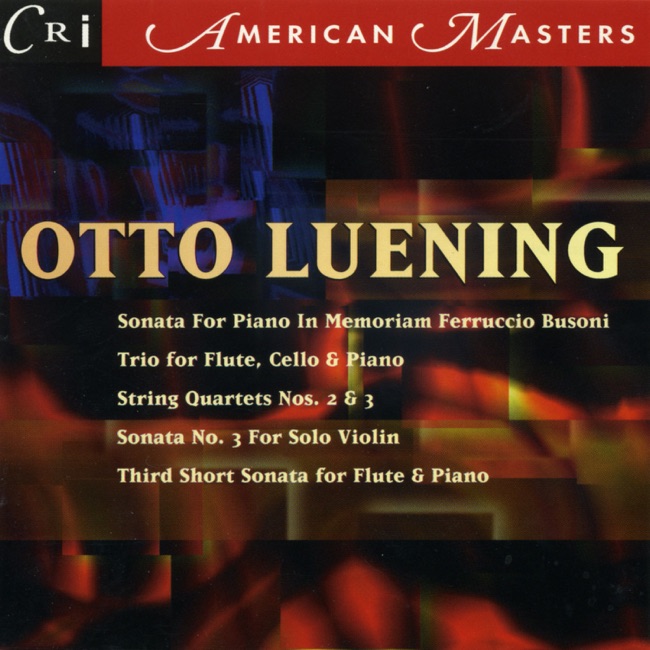 January 1, 1996
 -
 October 25, 1994
Keyboard
-
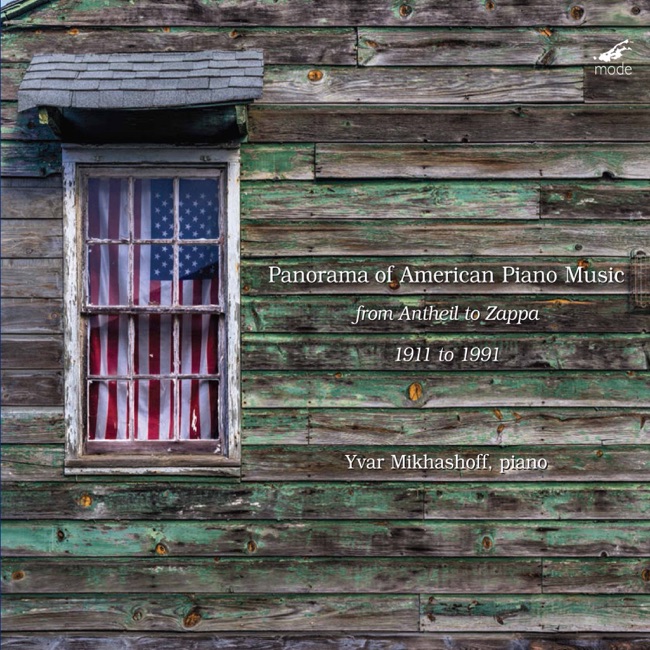 November 19, 2013
 -
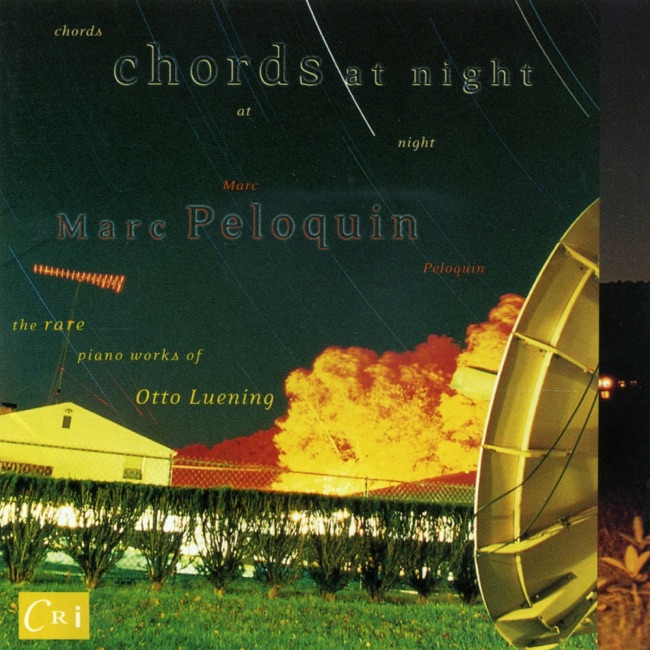 February 27, 2001
 -
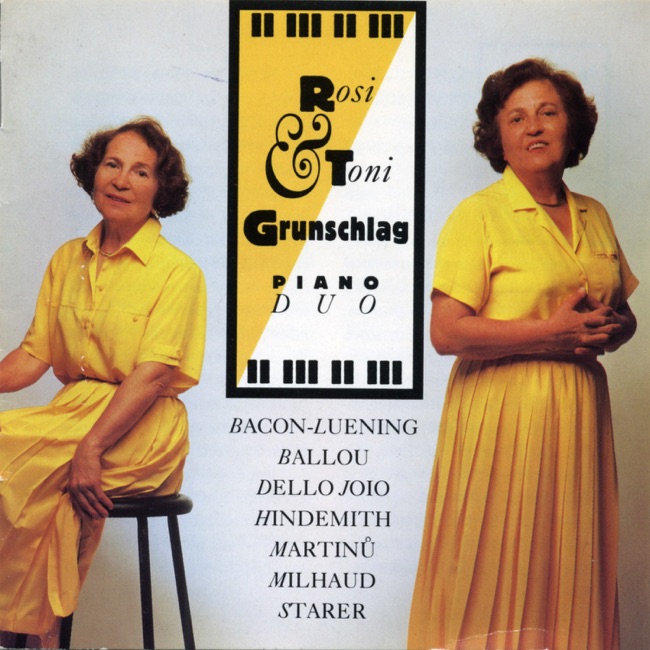 January 26, 1994
Vocal
-
 March 1, 2011
 -
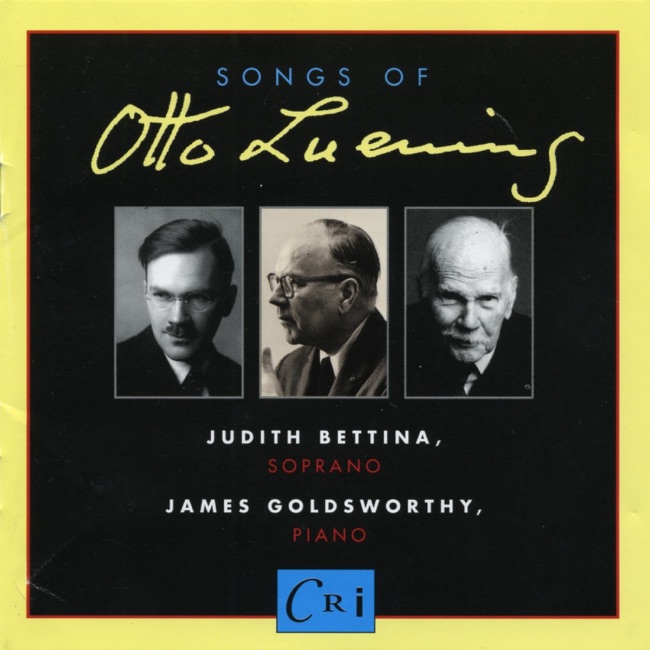 April 25, 2000
Artist Info
Role:Composer PerformerBirth:June 15, 1900 in Milwaukee, WIDeath:September 2, 1996 in New York City, NYGenre:Avant-GardeChamberKeyboardVocalOtto Luening was a prominent American composer and conductor who played a significant role in the development of electronic music in the United States. He was born on June 15, 1900, in Milwaukee, Wisconsin, to German immigrant parents. His father was a violinist and conductor, and his mother was a pianist. Luening grew up in a musical household and began playing the violin at a young age. Luening's family moved to Germany when he was a child, and he continued his musical education there. He studied composition with Arnold Schoenberg and attended the Berlin Conservatory. In 1920, he returned to the United States and enrolled at the Eastman School of Music in Rochester, New York. He studied composition with Howard Hanson and Bernard Rogers and earned his Bachelor of Music degree in 1923. After graduating, Luening worked as a freelance composer and conductor in New York City. He composed music for radio and film and conducted orchestras for Broadway shows. In 1926, he became the conductor of the New Friends of Music Orchestra, a position he held for ten years. During this time, he also taught at Columbia University and the Juilliard School. Luening's early compositions were influenced by the German Romantic tradition, but he later embraced modernist techniques. He was particularly interested in the use of electronic instruments and began experimenting with them in the 1950s. In 1952, he co-founded the Columbia-Princeton Electronic Music Center with Vladimir Ussachevsky. The center was one of the first in the world to focus on electronic music and attracted many prominent composers, including Milton Babbitt and Edgard Varèse. Luening's electronic compositions were groundbreaking and helped establish the genre in the United States. His most famous work is "Fantasy in Space," which he composed in 1952. The piece was created using tape manipulation and features otherworldly sounds and textures. It was one of the first electronic compositions to be widely performed and recorded. In addition to his electronic works, Luening composed many pieces for traditional instruments. He wrote several operas, including "Evangeline," which premiered at the New York City Opera in 1951. He also composed chamber music, orchestral works, and choral pieces. His music was often characterized by its lyricism and emotional intensity. Luening received many honors and awards throughout his career. He was a Guggenheim Fellow in 1941 and 1951 and won the Pulitzer Prize for Music in 1960 for his composition "Concerto for Flute and Orchestra." He was also a member of the American Academy of Arts and Letters and the National Institute of Arts and Letters. Luening continued to compose and teach until his death on September 2, 1996, in New York City. He was 96 years old. His contributions to the development of electronic music in the United States were significant, and his legacy continues to influence composers and musicians today.More....
Recent Artist Music
1
10:56

10
7:26

Copyright Ⓒ 2013 Davinci Finger. All rights reseved
Service Terms & Policy