


Edgar Leslie Bainton
Released Album
Choral
-
 April 7, 2023
 -
 June 11, 2021
 -
 March 26, 2021
 -
 November 9, 2018
 -
 February 3, 2017
 -
 January 6, 2017
Vocal
-
 November 10, 2017
 -
Orchestral
-
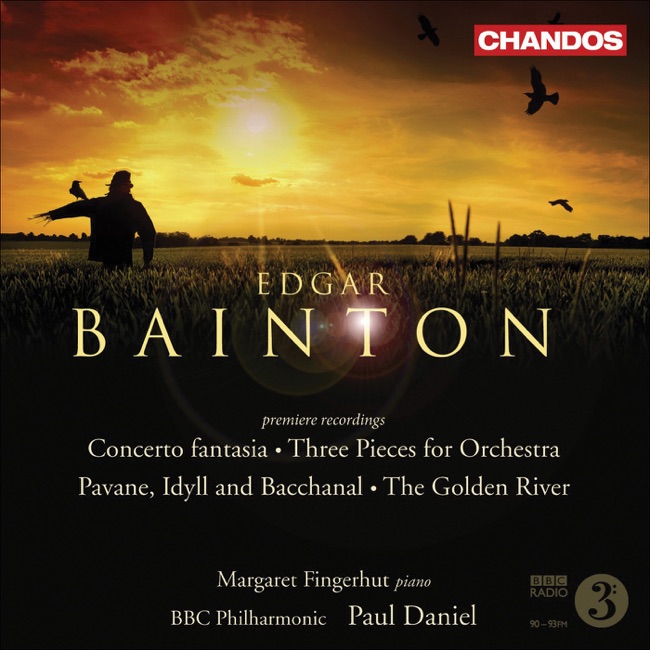
-
-
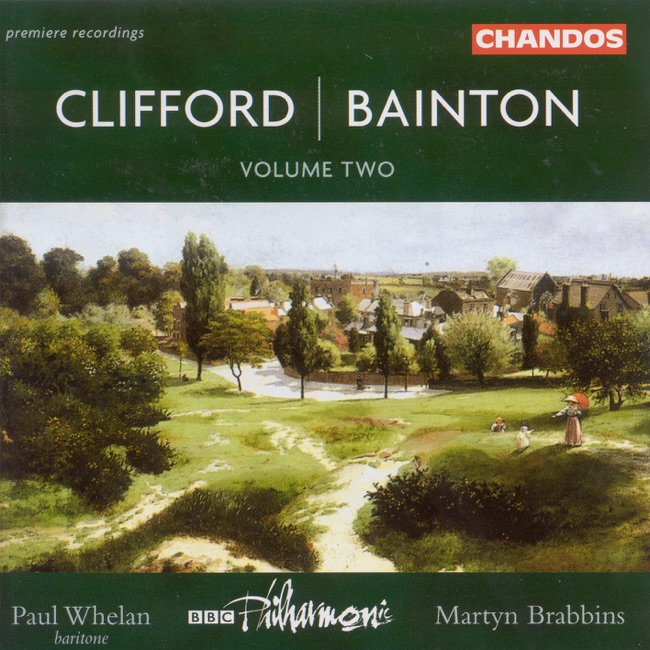 January 13, 2003
Keyboard
-
 May 28, 2013
 -
 June 18, 2012
Artist Info
Role:ComposerCountry: United KingdomBirth:February 14, 1880 in London, EnglandDeath:December 8, 1956 in Sydney, AustraliaPeriod:ModernGenre:ChoralOrchestralEdgar Leslie Bainton was a British composer, pianist, and teacher who lived from 1880 to 1956. He was born in London, England, and showed an early interest in music, learning to play the piano and violin at a young age. He attended the Royal College of Music in London, where he studied composition with Charles Villiers Stanford and piano with Tobias Matthay. After completing his studies, Bainton worked as a music teacher and pianist, performing in concerts and recitals throughout England. He also began to compose his own music, drawing inspiration from a variety of sources, including English folk music, the works of J.S. Bach, and the music of his contemporaries. Bainton's early compositions were largely influenced by the Romantic tradition, with lush harmonies and sweeping melodies. His first major work, the Symphony in B-flat, was premiered in 1912 and received critical acclaim. He continued to compose symphonies throughout his career, including the Symphony No. 2 in D minor, which was premiered in 1924. In addition to his symphonic works, Bainton also composed chamber music, choral music, and operas. One of his most famous works is the choral piece "And I Saw a New Heaven," which has become a staple of the choral repertoire. He also wrote several operas, including "The Pearl Tree" and "The Cenci," which were well-received by audiences and critics alike. Bainton's music was often characterized by its emotional intensity and lyrical beauty. He was particularly skilled at writing for the voice, and many of his works feature soaring melodies and rich harmonies. His music was also deeply influenced by his Christian faith, and he often incorporated religious themes and imagery into his compositions. Despite his success as a composer, Bainton's career was interrupted by World War II. In 1940, he was appointed director of music at the University of Edinburgh, but he was forced to resign in 1941 when he was interned as an enemy alien. He spent the next four years in various internment camps, where he continued to compose music and give lectures on music theory and history. After the war, Bainton returned to England and resumed his career as a composer and teacher. He continued to write music until his death in 1956, leaving behind a legacy of beautiful and emotionally powerful works. Today, Bainton is remembered as one of the most important British composers of the early 20th century. His music continues to be performed and recorded by orchestras, choirs, and soloists around the world, and his influence can be heard in the works of many contemporary composers.More....
Recent Artist Music
4
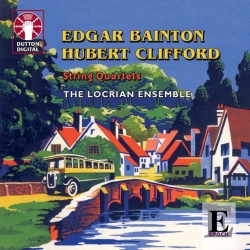
String Quartet in A major
I. Poco moderato con grazia - Più mosso, impetuoso - Molto più lento e tranquillo
9:6
7
3:33
9
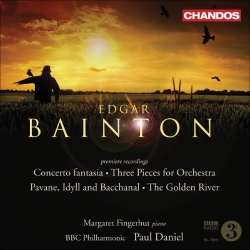
Fantasy concert
1. Quasi cadenza - Adagio, molto espressivo - Doppio movimento - Adagio (quasi cadenza) - Tempo 1.
13:16
Copyright Ⓒ 2013 Davinci Finger. All rights reseved
Service Terms & Policy