


Adriana Hölszky
Released Album
Chamber
-
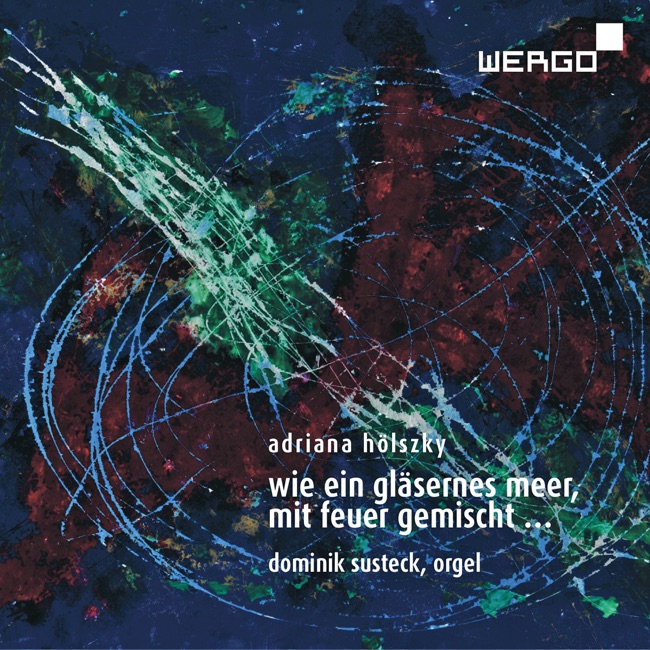 November 11, 2014
 -
 July 4, 2014
 -
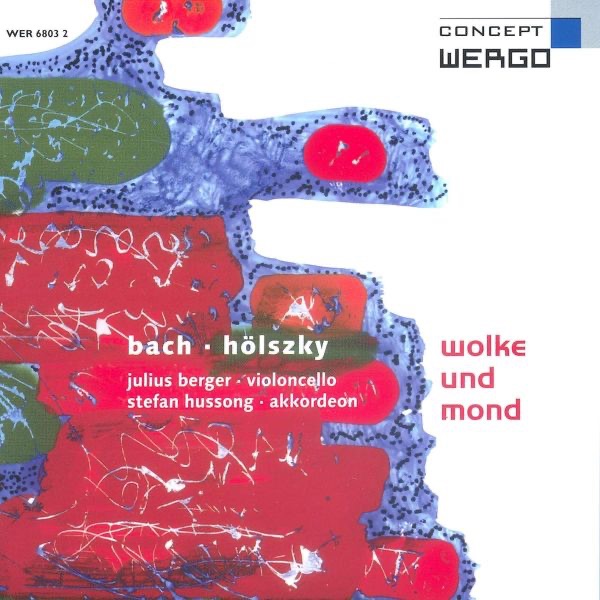 March 1, 2005
 -
 October 29, 2002
 -
 April, 1994
 -
 December, 1992
Vocal
Keyboard
-
 April 1, 1995
Artist Info
Role:ComposerBirth:1953 in Bucharest, RomaniaPeriod:ContemporaryGenre:Avant-GardeChamberAdriana Hölszky is a Romanian-German composer who was born on April 21, 1953, in Bucharest, Romania. She grew up in a family of musicians, with her father being a composer and her mother a pianist. Hölszky began her musical education at a young age, studying piano and composition at the George Enescu Music School in Bucharest. She later continued her studies at the National University of Music in Bucharest, where she studied composition with Tiberiu Olah and Anatol Vieru. In 1976, Hölszky moved to Germany to study at the Hochschule für Musik in Freiburg, where she studied composition with Klaus Huber. She also studied electronic music with Hans-Peter Haller and worked as a research assistant at the Experimentalstudio of the Heinrich Strobel Foundation of the Southwest German Radio in Freiburg. Hölszky's early works were influenced by the avant-garde music of the 1960s and 1970s, particularly the works of György Ligeti and Iannis Xenakis. Her music is characterized by its complex rhythms, intricate textures, and use of extended techniques. She has also been influenced by the music of her native Romania, incorporating elements of folk music and traditional instruments into her compositions. One of Hölszky's early works is her String Quartet No. 1, which was composed in 1978. The piece is characterized by its use of microtonal intervals and complex rhythms, and it has been described as a "tour de force of virtuosity and technical skill." Another notable work from this period is her Piano Concerto No. 1, which was composed in 1980. The piece features a solo piano part that is highly virtuosic and demanding, and it has been praised for its "dazzling brilliance and technical mastery." In the 1980s, Hölszky's music began to incorporate more theatrical elements, with works that featured spoken word, singing, and movement. One of her most famous works from this period is her opera "Der Triumph der Liebe," which was composed in 1986. The opera is based on a play by Marivaux and features a libretto by the composer. The piece is characterized by its use of extended vocal techniques and its incorporation of elements of dance and physical theater. Another notable work from this period is Hölszky's "Lieder ohne Worte," which was composed in 1988. The piece is a cycle of songs for soprano and piano that features texts by the composer. The songs are characterized by their use of extended vocal techniques and their incorporation of elements of folk music. In the 1990s, Hölszky's music became more introspective and personal, with works that explored themes of memory, loss, and identity. One of her most famous works from this period is her "Reconstructing Beethoven," which was composed in 1993. The piece is a meditation on Beethoven's "Hammerklavier" Sonata and features a solo piano part that is highly virtuosic and demanding. The piece has been praised for its "profound emotional depth and technical brilliance." Another notable work from this period is Hölszky's "Nachtstück," which was composed in 1996. The piece is a cycle of songs for soprano and piano that features texts by the composer. The songs are characterized by their use of extended vocal techniques and their exploration of themes of memory and loss. In the 2000s, Hölszky's music became more experimental and abstract, with works that explored the boundaries of sound and silence. One of her most famous works from this period is her "Streichquartett No. 2," which was composed in 2001.More....
Recent Artist Music
1
9:38
2
7:1
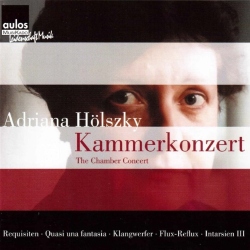
6
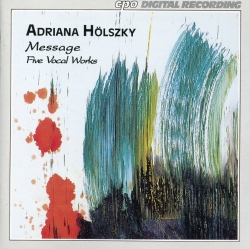
11:27

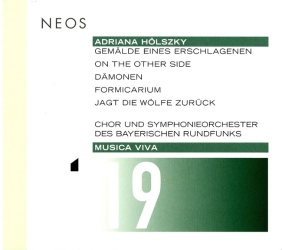
11
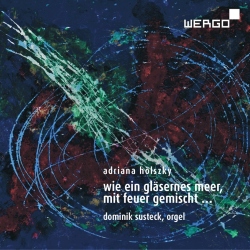
8:22
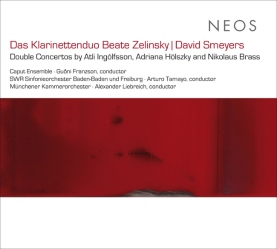
13
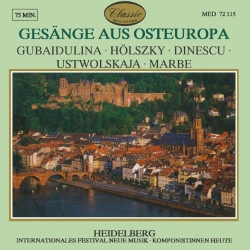
11:48
Copyright Ⓒ 2013 Davinci Finger. All rights reseved
Service Terms & Policy