


William, Monk of Stratford
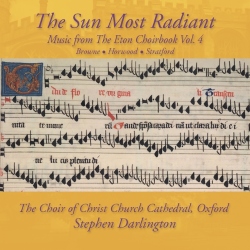
Released Album
Choral
-
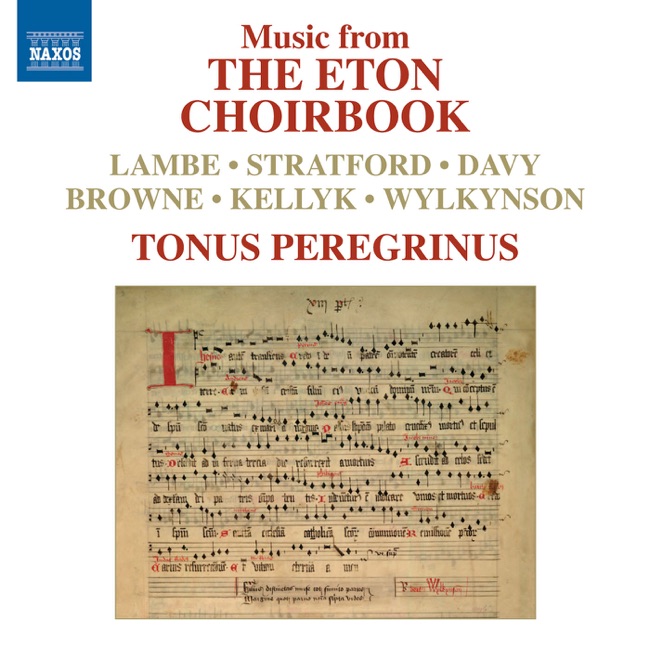 July 30, 2012
 -
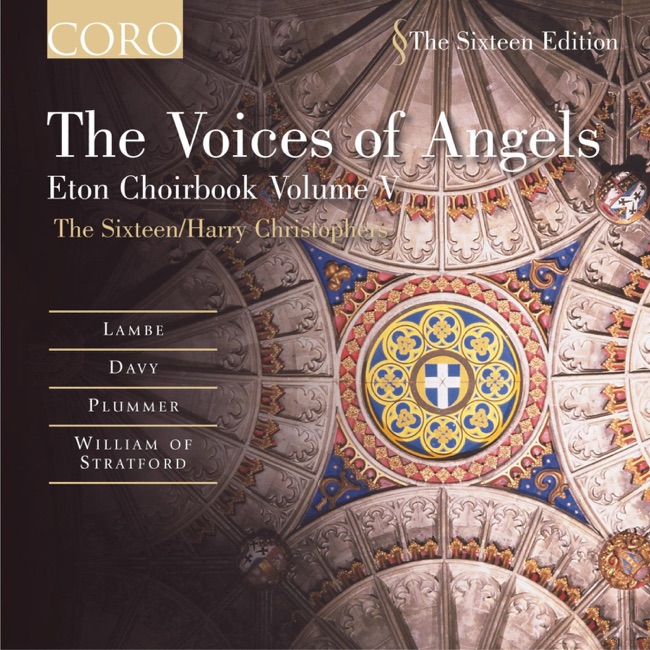 January 1, 2003
Artist Info
Role:ComposerGenre:ChoralWilliam, Monk of Stratford, was a renowned classical music composer who lived during the medieval period. He was born in Stratford-upon-Avon, England, in the year 1150. Not much is known about his early life, but it is believed that he was born into a family of musicians and was exposed to music from a young age. William's musical talent was evident from an early age, and he began his formal training as a musician at a young age. He was trained in the art of singing and learned to play various musical instruments, including the harp, lute, and organ. He also studied music theory and composition, which would later become his primary focus. As a young man, William joined the Benedictine monastery in Stratford, where he continued his musical education and began composing music. He quickly gained a reputation as a talented composer, and his works were performed in churches and monasteries throughout England. One of William's most significant contributions to classical music was his development of the liturgical drama. Liturgical dramas were religious plays that were performed during church services, and they were an essential part of medieval religious life. William's liturgical dramas were unique in that they incorporated music and dance, making them more engaging and entertaining for the audience. William's most famous work is his liturgical drama, "The Play of Daniel." The play tells the story of the biblical prophet Daniel and his interactions with the Babylonian king, Belshazzar. The play is notable for its use of music and dance, which were used to enhance the drama and create a more immersive experience for the audience. "The Play of Daniel" was first performed in 1227 and quickly became popular throughout Europe. It was performed in churches and monasteries across England, France, and Italy, and it is still performed today in some parts of the world. In addition to his liturgical dramas, William also composed a significant amount of sacred music, including hymns, motets, and masses. His sacred music was known for its intricate harmonies and complex polyphonic structures, which were ahead of their time. One of William's most famous sacred works is his "Missa de Sancto Johanne," or "Mass of Saint John." The mass is notable for its use of a cantus firmus, which is a pre-existing melody that is used as the basis for the composition. The cantus firmus in this mass is based on a Gregorian chant, which William uses as the foundation for the entire composition. William's music was highly regarded during his lifetime, and he was considered one of the greatest composers of his time. His works were performed in churches and monasteries throughout Europe, and he was highly respected by his peers. William died in 1235, but his legacy lived on through his music. His liturgical dramas and sacred music were influential in the development of classical music, and his innovative use of music and drama paved the way for future composers. In conclusion, William, Monk of Stratford, was a talented and innovative composer who made significant contributions to classical music. His liturgical dramas and sacred music were ahead of their time, and his use of music and drama paved the way for future composers. William's legacy lives on through his music, which is still performed and admired today.More....
Copyright Ⓒ 2013 Davinci Finger. All rights reseved
Service Terms & Policy