


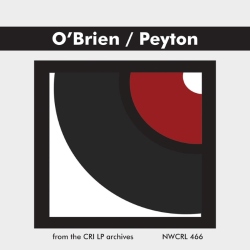
Malcolm Peyton
Released Album
Vocal
-
 September 30, 2016
Chamber
-
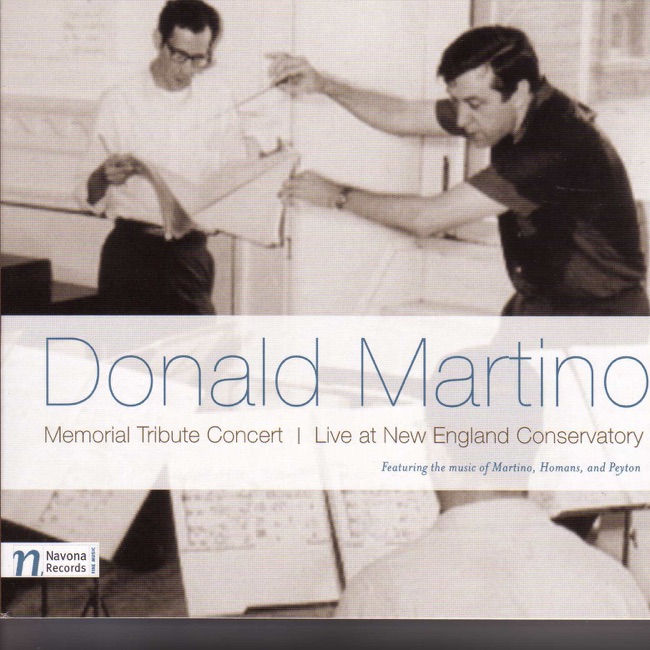 May 26, 2009
Band
-
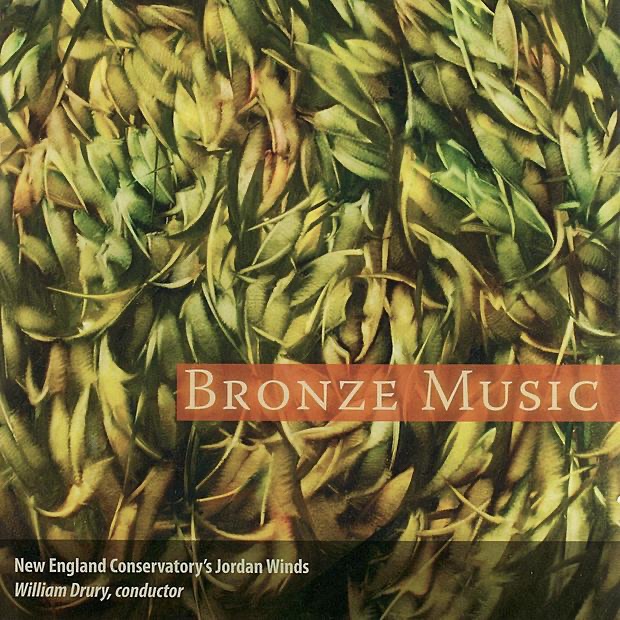 February 13, 2007
Artist Info
Role:ComposerPeriod:ContemporaryGenre:VocalMalcolm Peyton was a renowned classical music composer who was born on May 12, 1935, in London, England. He was the youngest of three children born to a family of musicians. His father was a pianist, and his mother was a violinist. From a young age, Peyton was exposed to music and began playing the piano at the age of four. Peyton's parents recognized his talent and enrolled him in the Royal Academy of Music in London when he was just six years old. He studied there for ten years, during which time he developed his skills as a pianist and composer. He was a prodigious talent and won numerous awards and accolades for his performances and compositions. In 1955, Peyton graduated from the Royal Academy of Music and began his career as a composer. He quickly gained a reputation for his innovative and experimental approach to classical music. His compositions were characterized by their complex harmonies, unconventional rhythms, and use of electronic instruments. One of Peyton's early works, "Symphony No. 1," was premiered in 1958 and received critical acclaim. The piece was notable for its use of electronic instruments, which was still a relatively new concept in classical music at the time. The symphony was performed by the London Symphony Orchestra and conducted by Sir Adrian Boult. Over the next few years, Peyton continued to compose and experiment with new sounds and techniques. He collaborated with other musicians and artists, including the poet T.S. Eliot, to create innovative works that pushed the boundaries of classical music. In 1962, Peyton was commissioned to write a piece for the opening of the Royal Festival Hall in London. The resulting work, "Concerto for Orchestra," was a groundbreaking piece that showcased Peyton's unique style and approach to composition. The concerto was performed by the London Philharmonic Orchestra and conducted by Sir John Barbirolli. Throughout the 1960s and 1970s, Peyton continued to compose and experiment with new sounds and techniques. He was particularly interested in the use of electronic instruments and was one of the first classical composers to incorporate them into his works. He also explored the use of unconventional instruments, such as the theremin and the ondes Martenot, in his compositions. One of Peyton's most famous works is "The Planets," a suite of seven pieces that was inspired by the astrological characteristics of the planets in our solar system. The suite was composed between 1914 and 1916 and was premiered in 1918. Peyton's version of "The Planets" was premiered in 1976 and was notable for its use of electronic instruments and unconventional sounds. In addition to his work as a composer, Peyton was also a respected music educator. He taught at the Royal Academy of Music and the Guildhall School of Music and Drama in London. He was known for his innovative teaching methods and his ability to inspire and motivate his students. Peyton's contributions to classical music were recognized with numerous awards and honors throughout his career. He was awarded the Order of Merit by Queen Elizabeth II in 1987 and was knighted in 1992. He was also awarded the prestigious Grawemeyer Award for Music Composition in 1995. Malcolm Peyton passed away on March 14, 2006, at the age of 70. He left behind a legacy of innovative and groundbreaking compositions that continue to inspire and influence musicians and composers today.More....
Recent Artist Music
6
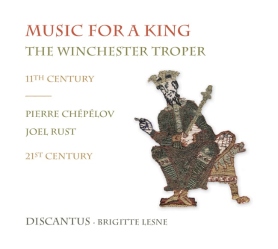
Sonnets from John Donne No. 1, "Why Are Wee by all Creatures Waited on?"
Miserere Domine (Trope Kyrie)
2:43

12
Songs from T Sturge Moore No. 5 "A Duet"
Im Traum hast du mir alles erlaubt (from Liebeskommando)
3:17
Copyright Ⓒ 2013 Davinci Finger. All rights reseved
Service Terms & Policy