


Johann Georg Orschler
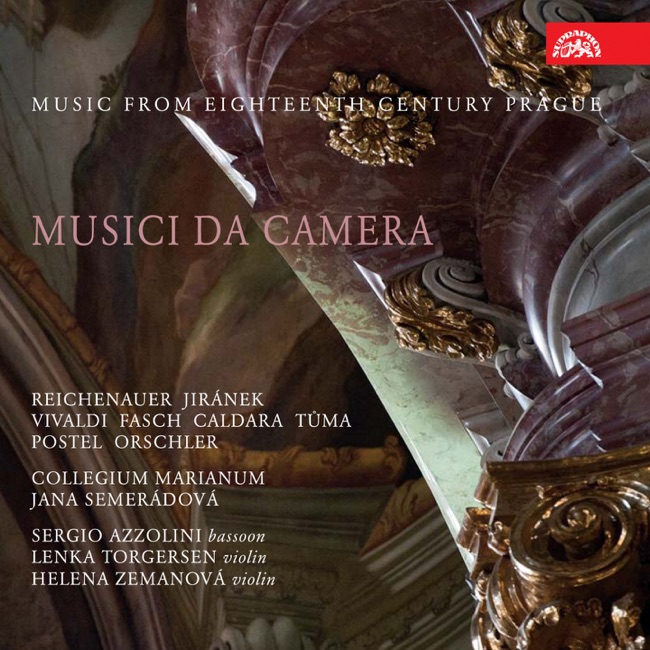
Artist Info
Role:ComposerJohann Georg Orschler was a German composer and musician who lived during the Baroque era. He was born on January 1, 1698, in the town of Schleusingen, which was then part of the Duchy of Saxe-Meiningen. Orschler was the son of a musician, and he grew up in a musical family. His father, Johann Heinrich Orschler, was a court musician in Schleusingen, and he taught his son to play the violin and the harpsichord. Orschler showed a great talent for music at a young age, and he began composing his own music when he was still a teenager. He studied music with his father and with other local musicians, and he also learned about music theory and composition. In 1716, when he was 18 years old, Orschler moved to the city of Leipzig to study music at the University of Leipzig. In Leipzig, Orschler studied with some of the most famous musicians of the time, including Johann Sebastian Bach and Georg Philipp Telemann. He also became friends with other young musicians, including Johann Joachim Quantz and Christoph Graupner. Orschler was a talented composer, and he quickly gained a reputation as one of the most promising young musicians in Leipzig. Orschler's early works were mostly instrumental pieces, including sonatas, concertos, and suites. He was particularly skilled at writing for the violin, and many of his works feature virtuosic violin solos. Orschler's music was influenced by the Italian Baroque style, which was popular at the time, but he also incorporated elements of the German Baroque style into his compositions. In 1721, Orschler left Leipzig and returned to his hometown of Schleusingen. He became the court musician for the Duke of Saxe-Meiningen, and he also worked as the organist at the local church. Orschler continued to compose music during this time, and he wrote a number of vocal works, including cantatas and oratorios. Orschler's most famous work is his oratorio "Die Auferstehung und Himmelfahrt Jesu" (The Resurrection and Ascension of Jesus), which he composed in 1732. The oratorio tells the story of Jesus' resurrection and ascension, and it features a large choir, soloists, and an orchestra. The work is notable for its dramatic and emotional music, which captures the intensity of the story. Orschler's other vocal works include a number of cantatas, which were written for use in church services. These works feature soloists, choir, and orchestra, and they often include biblical texts and hymns. Orschler's cantatas are notable for their beautiful melodies and intricate harmonies. Orschler also wrote a number of instrumental works during his career, including sonatas, concertos, and suites. These works feature a variety of instruments, including the violin, harpsichord, and flute. Orschler's instrumental music is characterized by its virtuosic solos and its intricate counterpoint. Orschler continued to work as a musician and composer until his death in 1767. He was a respected member of the musical community in Germany, and his music was widely performed during his lifetime. Today, Orschler is remembered as one of the most talented composers of the Baroque era, and his music continues to be performed and enjoyed by audiences around the world.More....
Recent Artist Music
Copyright Ⓒ 2013 Davinci Finger. All rights reseved
Service Terms & Policy