


Cornelis Schuyt
Released Album
Vocal
-
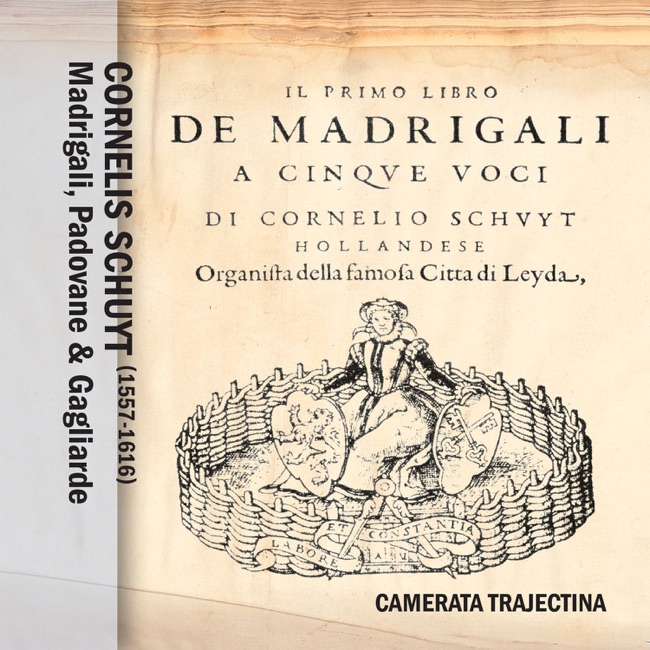 July 18, 2011
 -
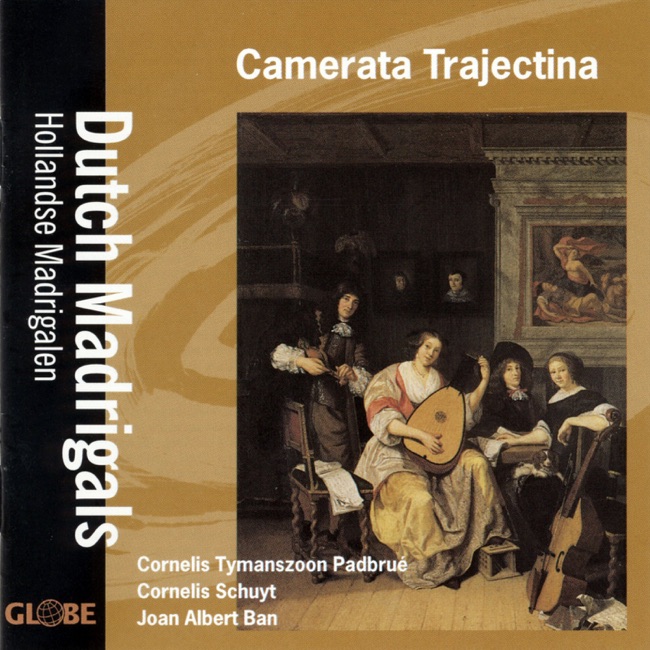 May 9, 2006
Choral
-
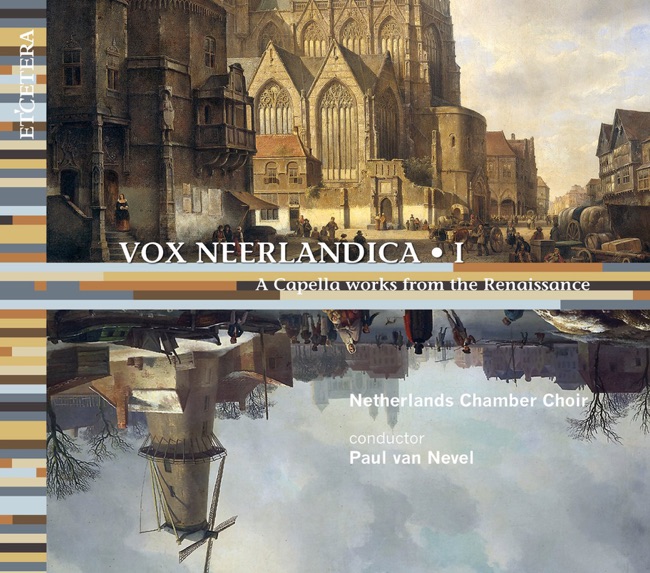 September 1, 2009
Artist Info
Role:ComposerCountry: NetherlandsBirth:1557Death:June 9, 1616Period:RenaissanceGenre:ChamberCornelis Schuyt was a Dutch composer and musician who lived during the late Renaissance and early Baroque periods. He was born in Leiden, Netherlands, on May 9, 1557, to a family of musicians. His father, Pieter Schuyt, was a well-known organist and composer, and his mother, Maria van der Does, was a singer. Cornelis Schuyt showed an early interest in music and began his musical education at a young age. He studied with his father and other prominent musicians in the Netherlands, including Jan Pieterszoon Sweelinck, who was one of the most important composers of the Dutch Golden Age. Schuyt's musical talent was recognized early on, and he was appointed as the organist of the Pieterskerk in Leiden at the age of 18. He held this position for over 50 years, until his death in 1616. During his tenure as organist, Schuyt became known for his virtuosic playing and his innovative compositions. Schuyt's music was influenced by the Italian madrigal style, which was popular in Europe during the late Renaissance. He also incorporated elements of the Dutch chanson and the German lied into his compositions. Schuyt's music was characterized by its complex harmonies, intricate counterpoint, and expressive melodies. One of Schuyt's most famous works is his collection of madrigals, "Delitiae Musicae," which was published in 1611. The collection contains 30 madrigals, which are set to texts by some of the most famous poets of the time, including Petrarch and Torquato Tasso. The madrigals are notable for their intricate polyphony and their use of chromaticism, which was a new and innovative technique at the time. Another important work by Schuyt is his collection of keyboard music, "Tabulatura Nova," which was published in 1599. The collection contains 42 pieces for keyboard, including preludes, fantasias, and dances. The pieces are notable for their virtuosic keyboard writing and their use of complex harmonies and counterpoint. Schuyt also composed a number of sacred works, including motets and psalms. His "Cantiones Sacrae" collection, which was published in 1599, contains 20 motets for four to eight voices. The motets are notable for their expressive melodies and their use of chromaticism. In addition to his work as a composer, Schuyt was also a respected music theorist. He wrote several treatises on music theory, including "Toccata, sive Ars Magna Consoni et Dissoni" (Toccata, or the Great Art of Consonance and Dissonance), which was published in 1612. The treatise is notable for its discussion of the use of chromaticism in music and its exploration of the relationship between music and mathematics. Schuyt's influence on music in the Netherlands was significant. He was one of the most important composers of the Dutch Golden Age, and his innovative compositions helped to shape the development of music in the Netherlands during the late Renaissance and early Baroque periods. His work was also influential in other parts of Europe, particularly in Germany, where his music was highly regarded by composers such as Johann Sebastian Bach. In conclusion, Cornelis Schuyt was a highly influential composer and musician who played an important role in the development of music in the Netherlands during the late Renaissance and early Baroque periods. His innovative compositions, which incorporated elements of the Italian madrigal, the Dutch chanson, and the German lied, helped to shape the development of music in the Netherlands and beyond.More....
Recent Artist Music
5
1:46
6
4:21
Copyright Ⓒ 2013 Davinci Finger. All rights reseved
Service Terms & Policy