


Johann Valentin Rathgeber
Released Album
Concerto
-
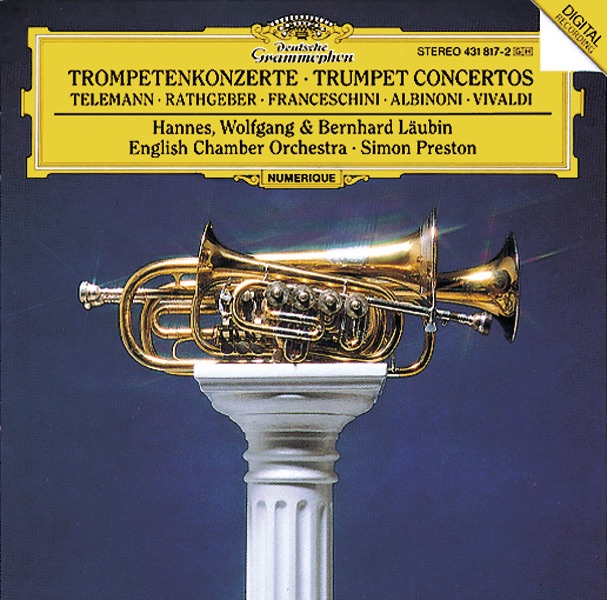 August 17, 2010
 -
 May 14, 2010
 -
 March 12, 2010
 -
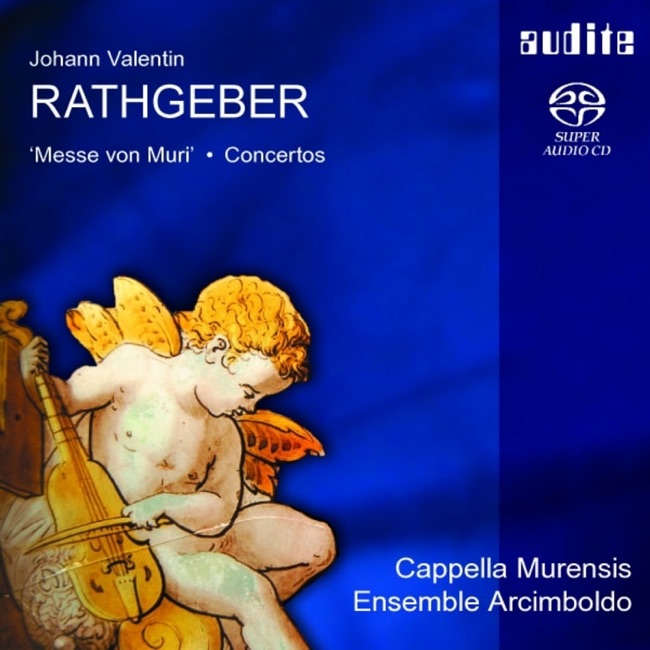 March 4, 2008
 -
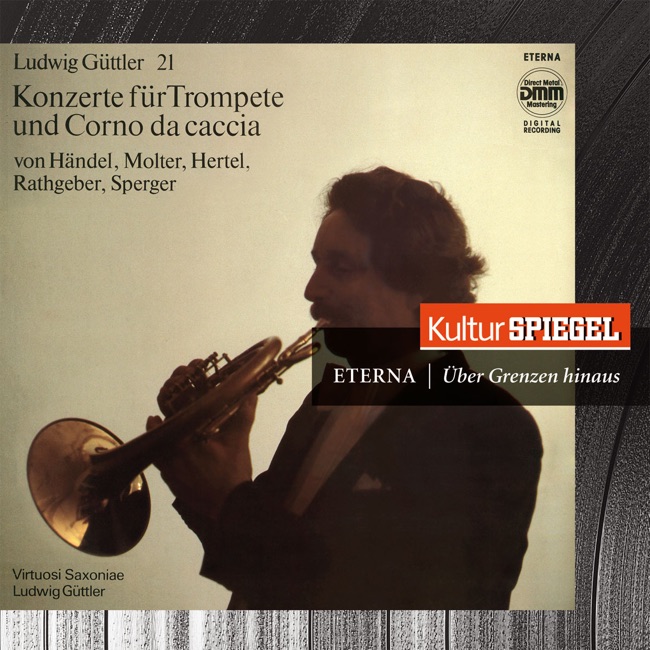 March 29, 2004
 -
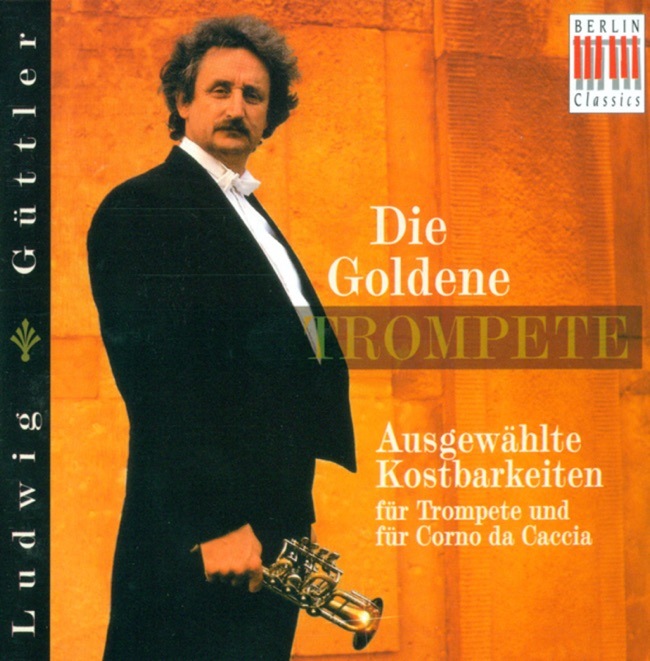 October 27, 1998
Miscellaneous
-
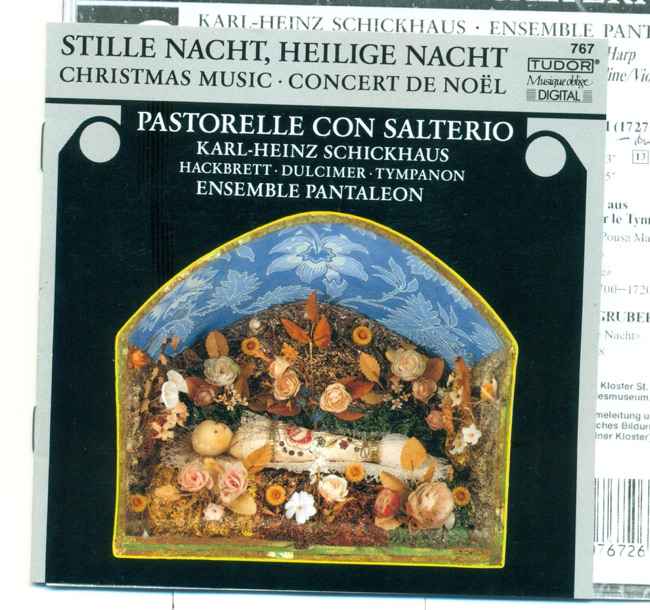 June 26, 2009
Vocal
-
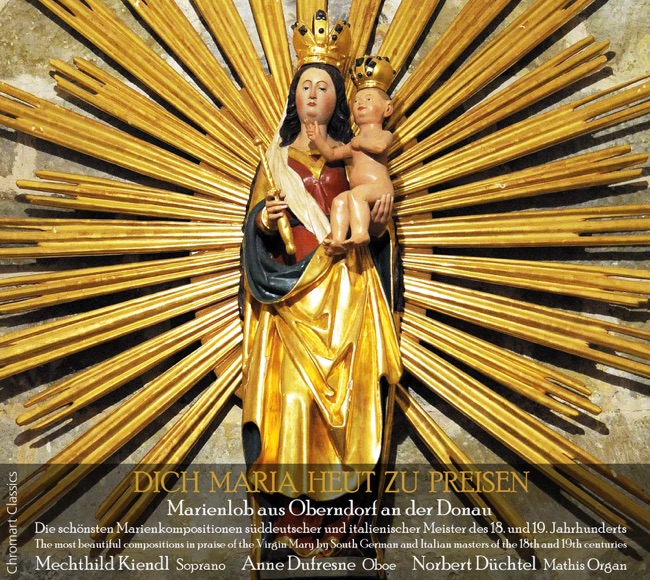 February 26, 2016
 -
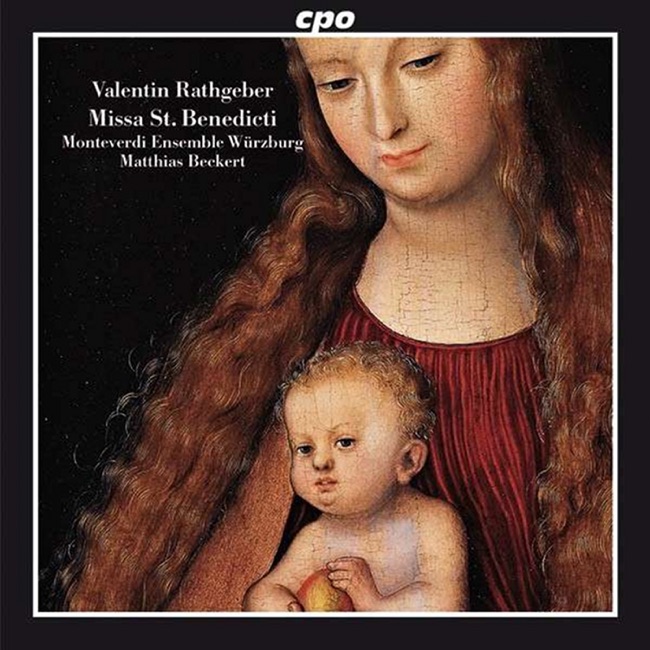 May 25, 2010
Chamber
-
 November 16, 2011
Artist Info
Role:ComposerCountry: GermanyBirth:April 3, 1682 in Oberelsbach, GermanyDeath:June 2, 1750 in Banz Abbey, GermanyPeriod:BaroqueGenre:ConcertoJohann Valentin Rathgeber was a German composer and musician who lived from 1682 to 1750. He was born in Oberelsbach, a small town in the region of Franconia, Germany. Rathgeber was the son of a schoolmaster and was raised in a musical family. His father taught him to play the organ and the violin, and he showed a great talent for music from a young age. Rathgeber began his musical education at the age of 12, when he was sent to study at the Jesuit College in Fulda. There, he received a thorough education in music theory, composition, and performance. He also studied Latin, Greek, and other subjects, which would later influence his compositions. After completing his studies at the Jesuit College, Rathgeber became a choirboy at the Benedictine Abbey of Banz. He continued his musical education there, studying under the abbey's music director, Johann Melchior Molter. Molter was a highly respected composer and musician, and he had a profound influence on Rathgeber's musical style. In 1704, Rathgeber was appointed as the music director at the Abbey of Banz. He held this position for over 40 years, during which time he composed a large number of works for the abbey's choir and orchestra. Rathgeber's compositions were highly regarded by his contemporaries, and he was considered one of the leading composers of his time. Rathgeber's music was characterized by its complexity and sophistication. He was known for his use of counterpoint, which is the technique of combining multiple melodies to create a harmonious whole. Rathgeber's compositions also featured intricate harmonies and rhythms, which were often inspired by the music of the Baroque period. One of Rathgeber's most famous works is his Missa brevis in C major, which was composed in 1720. This piece is a short mass, which is characterized by its lively rhythms and intricate harmonies. The Missa brevis in C major is considered one of Rathgeber's most accomplished works, and it is still performed by choirs and orchestras around the world today. Another notable work by Rathgeber is his Harmonia Ruralis, which was composed in 1733. This piece is a collection of 12 sonatas for various instruments, including the violin, flute, and harpsichord. The Harmonia Ruralis is characterized by its pastoral themes and its use of folk melodies. This work is considered one of Rathgeber's most innovative compositions, and it is still admired for its originality and creativity. Rathgeber's music was highly regarded during his lifetime, and he was considered one of the leading composers of his time. However, his music fell out of favor in the years following his death, and it was largely forgotten for many years. It was not until the 20th century that Rathgeber's music began to be rediscovered and appreciated once again. Today, Rathgeber's music is recognized as an important contribution to the Baroque period. His compositions are admired for their complexity, sophistication, and originality, and they continue to be performed and recorded by musicians around the world. Rathgeber's legacy as a composer and musician is a testament to his talent and dedication to his craft, and his music remains an important part of the classical music canon.More....
Recent Artist Music
1
1:21
3
1:24
4
1:40
5
1:28
6
2:53
7
2:9
8
1:21
9
1:56
10
1:21
11
2:16
14
2:10
Copyright Ⓒ 2013 Davinci Finger. All rights reseved
Service Terms & Policy