


Johann Theodor Roemhildt
Released Album
Vocal
-
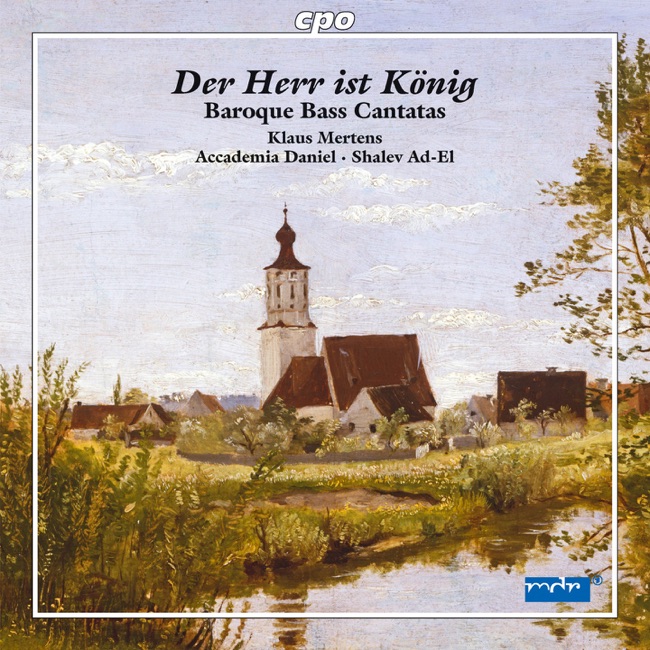 October 9, 2015
 -
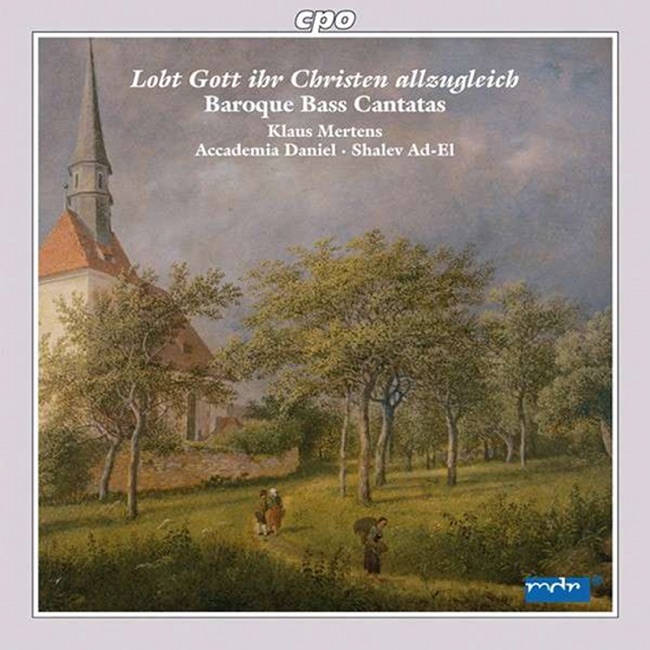 February 23, 2010
Artist Info
Role:ComposerBirth:1684Death:1756Johann Theodor Roemhildt was a German composer and musician who lived during the 18th century. He was born on August 26, 1684, in the town of Weimar, which was then part of the Duchy of Saxe-Weimar. Roemhildt was the son of Johann Roemhildt, a court musician, and his wife, Anna Maria. His father was a skilled musician who played the viola da gamba and the harpsichord, and he likely played a significant role in his son's musical education. Roemhildt began his musical studies at a young age, likely under the tutelage of his father. He later studied with Johann Pachelbel, a prominent composer and organist who was based in nearby Erfurt. Pachelbel was known for his innovative use of harmony and counterpoint, and his influence can be seen in Roemhildt's later compositions. Roemhildt's early career is not well-documented, but it is known that he served as a court musician in Weimar from 1708 to 1714. In 1714, he was appointed as the court organist in the town of Rudolstadt, which was then part of the Principality of Schwarzburg-Rudolstadt. Roemhildt remained in Rudolstadt for the rest of his life, serving as the court organist and music director until his death in 1756. Roemhildt was a prolific composer who wrote music in a variety of genres, including keyboard music, chamber music, and vocal music. His keyboard music includes a number of suites and partitas for harpsichord, as well as a set of variations on a theme by Pachelbel. His chamber music includes sonatas for violin and continuo, as well as trio sonatas for two violins and continuo. Roemhildt's vocal music includes a number of cantatas and arias, as well as a setting of the Passion story. One of Roemhildt's most famous works is his Sonata in G minor for violin and continuo. This sonata is notable for its use of chromaticism and its expressive melodies. The first movement is in a fast tempo and features virtuosic passages for the violin, while the second movement is slower and more lyrical. The final movement is a lively dance in triple meter. Roemhildt's keyboard music is also highly regarded. His suites and partitas for harpsichord are characterized by their elegant melodies and intricate counterpoint. One of his most famous keyboard works is his Partita in A minor, which consists of a prelude, allemande, courante, sarabande, and gigue. The prelude is particularly notable for its use of arpeggios and its virtuosic passages. Roemhildt's vocal music is less well-known than his instrumental music, but it is still highly regarded. His cantatas and arias are characterized by their expressive melodies and their use of counterpoint. One of his most famous vocal works is his cantata "Ich bin ein guter Hirt," which is based on the biblical passage "I am the good shepherd." The cantata features a solo soprano accompanied by strings and continuo, and it is notable for its expressive melodies and its use of chromaticism. Roemhildt's music was highly regarded during his lifetime, and he was considered one of the leading composers of his time. His music was performed throughout Germany and beyond, and it influenced many later composers. However, after his death, his music fell into obscurity, and it was not until the 20th century that his music began to be rediscovered and performed again. Today, Roemhildt is recognized as an important figure in the history of German music.More....
Recent Artist Music

Copyright Ⓒ 2013 Davinci Finger. All rights reseved
Service Terms & Policy