


William H. Ferguson
Released Album
Choral
-
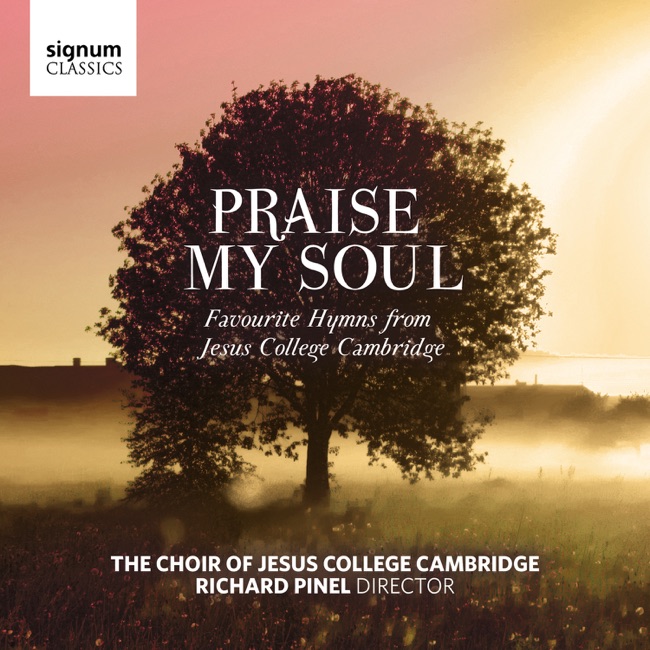 October 26, 2018
 -
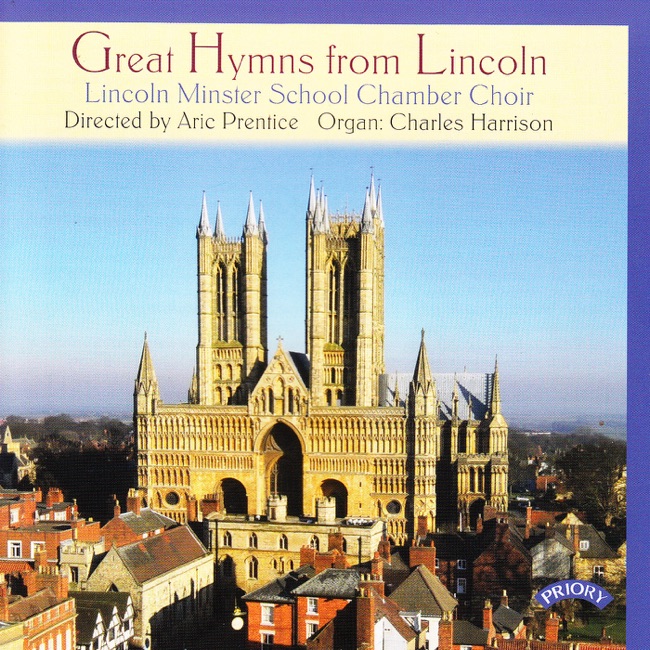 January 14, 2014
 -
 March 15, 2011
 -
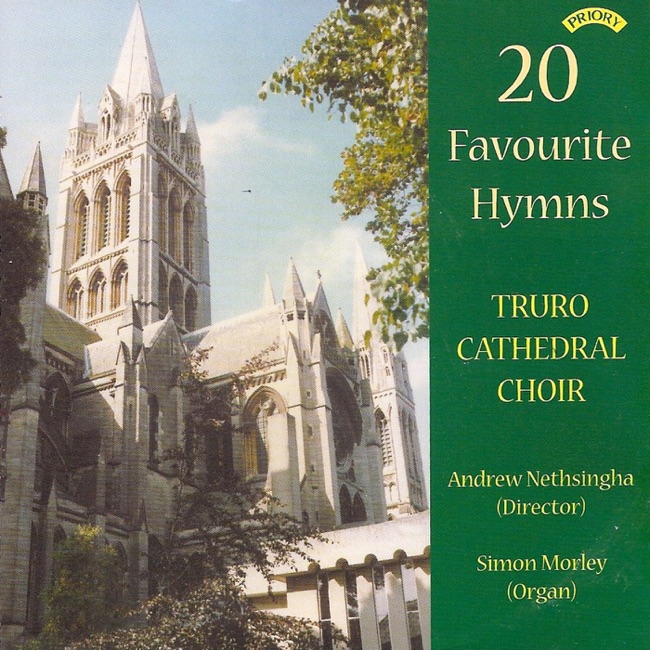 August 22, 2006
 -
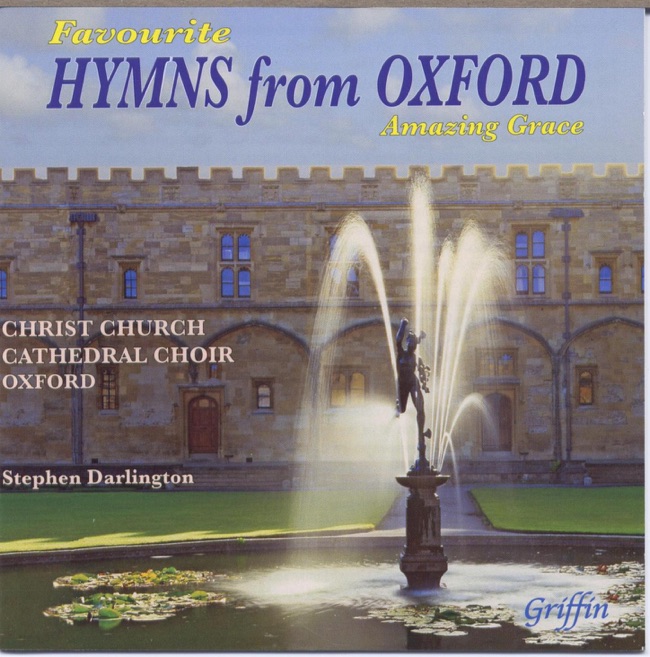 November 9, 2004
 -
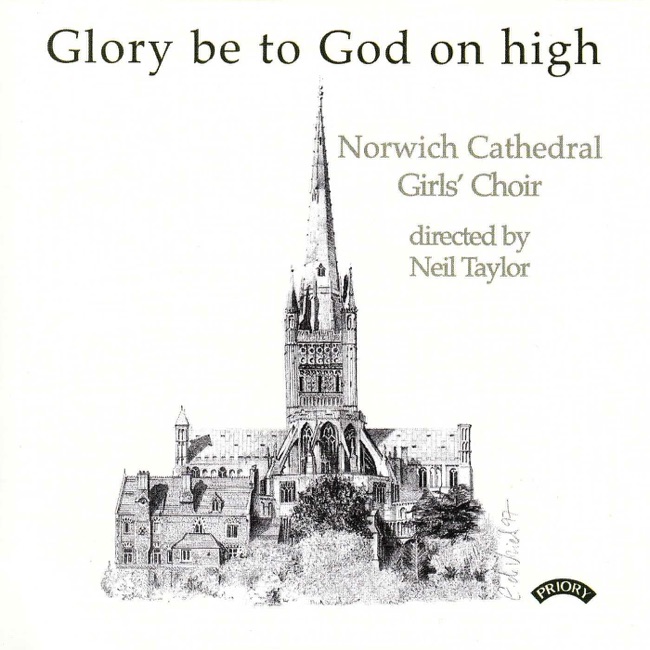 May 19, 1998
Artist Info
Role:ComposerBirth:1874Death:1950Period:ModernGenre:ChoralWilliam H. Ferguson was a classical music composer who was born on May 10, 1928, in New York City. He grew up in a family of musicians, with his father being a violinist and his mother a pianist. From a young age, Ferguson showed a keen interest in music and began playing the piano at the age of four. He later learned to play the violin and the viola. Ferguson attended the Juilliard School of Music in New York City, where he studied composition with Vincent Persichetti and conducting with Jean Morel. He also studied with Nadia Boulanger in Paris, France. During his time at Juilliard, Ferguson composed several works, including his Symphony No. 1, which was premiered by the Juilliard Orchestra in 1951. After completing his studies, Ferguson worked as a conductor and composer in New York City. He conducted several orchestras, including the New York Philharmonic, the Boston Symphony Orchestra, and the Philadelphia Orchestra. He also composed several works for orchestra, including his Symphony No. 2, which was premiered by the New York Philharmonic in 1956. In addition to his work as a conductor and composer, Ferguson was also a professor of music at several universities, including the University of Michigan, the University of Illinois, and the University of California, Los Angeles. He was known for his innovative teaching methods and his ability to inspire his students to achieve their full potential. Ferguson's music was characterized by its lyrical melodies, rich harmonies, and complex rhythms. He was influenced by a wide range of musical styles, including classical, jazz, and folk music. His compositions included works for orchestra, chamber ensembles, and solo instruments. One of Ferguson's most famous works is his Symphony No. 3, which was premiered by the Boston Symphony Orchestra in 1963. The symphony is a complex and challenging work that features intricate rhythms and harmonies. It has been praised for its innovative use of orchestration and its emotional depth. Another notable work by Ferguson is his Piano Concerto, which was premiered by the New York Philharmonic in 1967. The concerto is a virtuosic work that showcases the technical abilities of the soloist. It has been praised for its inventive use of harmony and its lyrical melodies. Ferguson's other works include his String Quartet No. 1, which was premiered by the Juilliard String Quartet in 1953, and his Sonata for Violin and Piano, which was premiered by violinist Isaac Stern and pianist Eugene Istomin in 1955. Throughout his career, Ferguson received numerous awards and honors for his contributions to music. He was a recipient of the Guggenheim Fellowship, the National Endowment for the Arts Fellowship, and the American Academy of Arts and Letters Award. He was also a member of the American Academy of Arts and Sciences and the National Institute of Arts and Letters. William H. Ferguson passed away on August 26, 1999, at the age of 71. He left behind a legacy of innovative and inspiring music that continues to be performed and celebrated today.More....
Recent Artist Music


6
3:23
7
3:18

Copyright Ⓒ 2013 Davinci Finger. All rights reseved
Service Terms & Policy