


Johannes Stomius
Released Album
Vocal
-
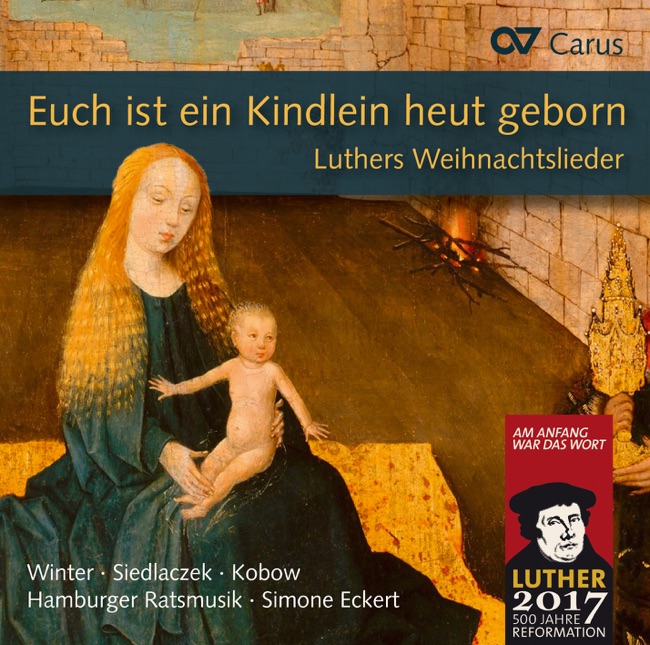 October 14, 2016
 -
 October 14, 2014
Artist Info
Role:ComposerBirth:1502Death:1562Johannes Stomius was a Dutch composer and musician who lived during the late Renaissance and early Baroque periods. He was born in 1589 in the city of Leiden, which was a center of cultural and intellectual activity in the Netherlands at the time. Stomius grew up in a family of musicians, and his father was a well-known organist and composer in the region. Stomius began his musical education at a young age, studying with his father and other local musicians. He showed a natural talent for composition and quickly became known for his skill as a keyboard player. In his early twenties, he traveled to Italy to study music and further develop his skills. During his time in Italy, Stomius was exposed to the latest trends in music and became influenced by the works of composers such as Claudio Monteverdi and Girolamo Frescobaldi. He also studied with some of the leading musicians of the time, including the composer and theorist Giovanni Gabrieli. After returning to the Netherlands, Stomius began to establish himself as a composer and performer. He was appointed as the organist at the Pieterskerk in Leiden, a prestigious position that allowed him to showcase his talents to a wider audience. He also began to compose music for various occasions, including weddings, funerals, and religious services. One of Stomius's most notable works is his collection of keyboard pieces, which he published in 1627 under the title "Harmonia Parnassia." This collection includes a variety of pieces in different styles, including dances, toccatas, and variations on popular tunes of the time. The collection was well-received and helped to establish Stomius as a leading composer of keyboard music. Stomius also composed a number of vocal works, including motets and madrigals. These pieces showcase his skill as a composer of polyphonic music, with intricate harmonies and complex counterpoint. One of his most famous vocal works is his setting of the "Stabat Mater," a hymn that describes the suffering of Mary at the crucifixion of Jesus. In addition to his work as a composer, Stomius was also a respected music theorist. He wrote several treatises on music, including "Musica Practica," which was published in 1625. This treatise provides a detailed explanation of the principles of music theory and includes examples of Stomius's own compositions to illustrate these principles. Stomius's music was highly regarded during his lifetime, and he was considered one of the leading composers of his time. His works were performed throughout the Netherlands and beyond, and he was known for his skill as a performer and improviser. He was also respected as a teacher, and many of his students went on to become successful musicians in their own right. Despite his success, Stomius's life was not without its challenges. He lived during a time of political and religious upheaval in the Netherlands, and his family was affected by the conflict between the Protestant and Catholic factions. Stomius himself was a Protestant, and he was forced to flee Leiden during a period of religious persecution in the early 1620s. He eventually returned to the city and continued to compose and perform until his death in 1644. Today, Stomius's music is still performed and studied by musicians and scholars around the world. His works are known for their beauty and complexity, and they provide a window into the musical world of the late Renaissance and early Baroque periods.More....

Copyright Ⓒ 2013 Davinci Finger. All rights reseved
Service Terms & Policy