


Hans Schaeuble
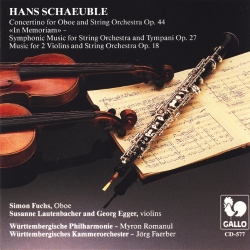
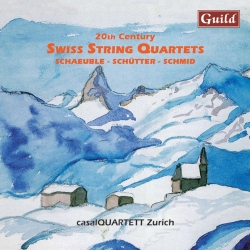
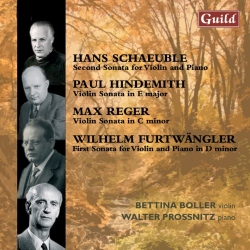
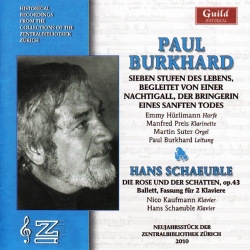
Released Album
Keyboard
-
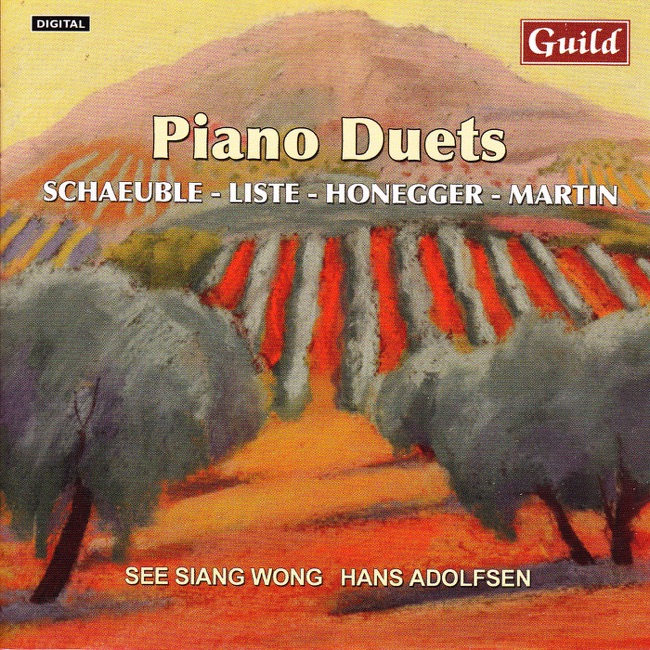 July 4, 2011
 -
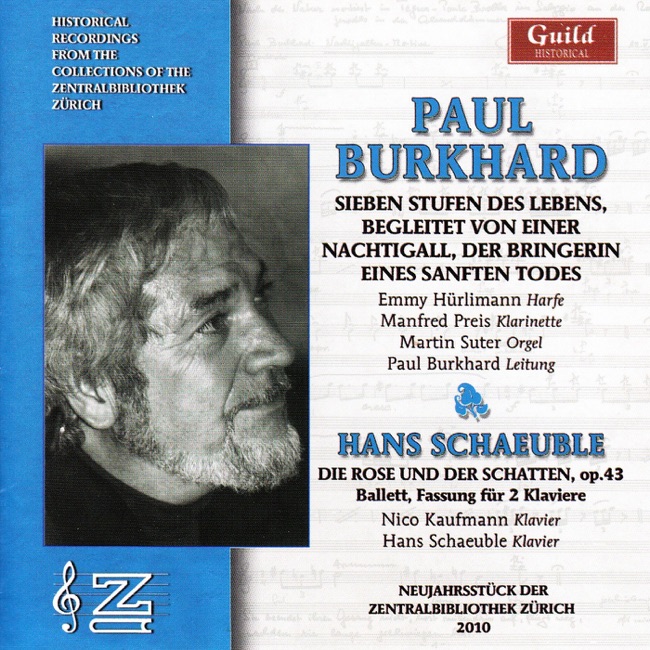 June 8, 2010
 -
 January 22, 2003
Chamber
-
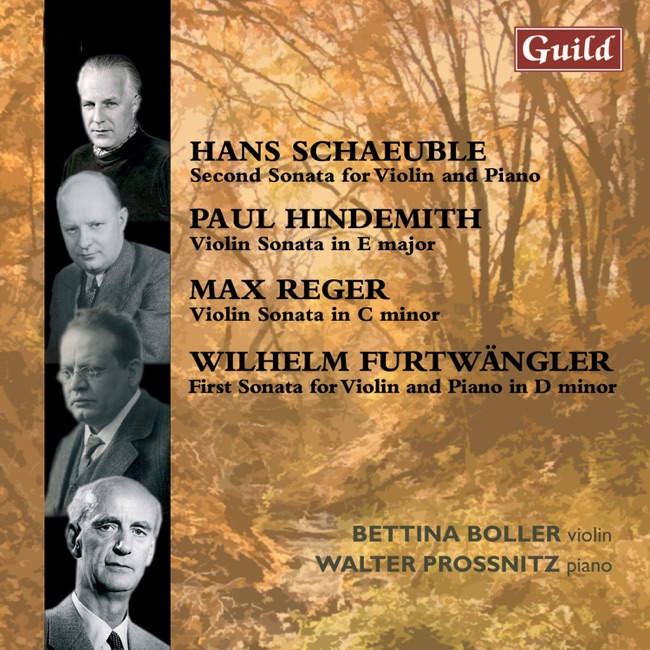
-
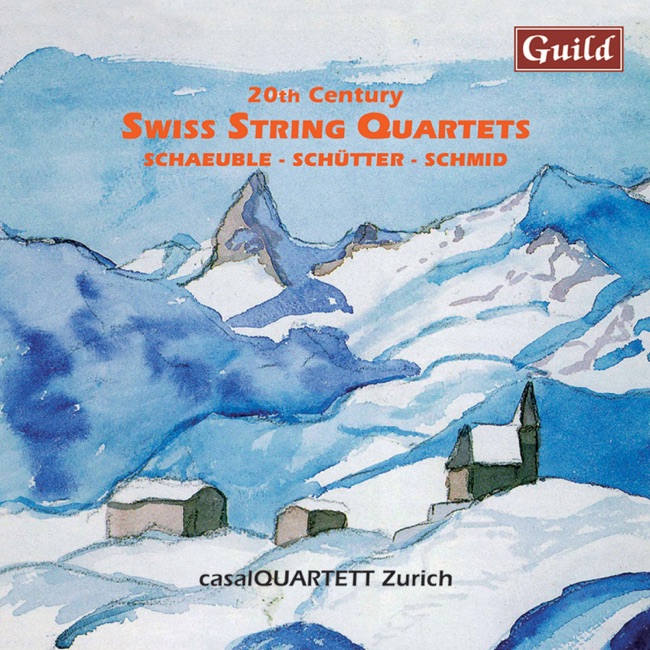 October 24, 2006
Artist Info
Role:ComposerBirth:1906Death:1988Period:ModernGenre:ConcertoKeyboardOrchestralHans Schaeuble was a Swiss composer and conductor who was born on May 28, 1906, in Basel, Switzerland. He was the son of a music teacher and grew up in a musical family. His father, Paul Schaeuble, was a composer and conductor, and his mother, Marie Schaeuble, was a pianist. Hans Schaeuble showed an early interest in music and began playing the piano at the age of six. Schaeuble studied music at the Basel Conservatory, where he was a student of Hans Huber. He also studied composition with Paul Hindemith in Berlin and Vienna. In 1929, he received his diploma in composition from the Basel Conservatory. After completing his studies, Schaeuble worked as a conductor and composer in Switzerland. He was the conductor of the Basel Chamber Orchestra from 1930 to 1935 and the conductor of the Zurich Chamber Orchestra from 1935 to 1941. During this time, he also composed a number of works, including his Symphony No. 1, which was premiered in 1935. In 1941, Schaeuble was appointed the conductor of the Bern Symphony Orchestra, a position he held until 1966. During his tenure, he conducted many premieres of contemporary works and established the orchestra as one of the leading ensembles in Switzerland. He also continued to compose during this time, and his works were performed by many leading orchestras and ensembles. Schaeuble's music is characterized by its clarity, precision, and economy of means. He was influenced by the neoclassical style of composers such as Stravinsky and Hindemith, and his music often features a strong rhythmic drive and a sense of formal balance. He was also interested in the music of other cultures, and his works often incorporate elements of folk music and jazz. One of Schaeuble's most famous works is his Concerto for String Orchestra, which was premiered in 1943. The work is a virtuosic showcase for the string section, with intricate counterpoint and rhythmic complexity. It has become a staple of the string orchestra repertoire and is widely regarded as one of Schaeuble's masterpieces. Another notable work is his Symphony No. 2, which was premiered in 1952. The work is in three movements and features a strong rhythmic drive and a sense of formal balance. It has been described as a "neo-classical masterpiece" and is considered one of Schaeuble's most important works. Schaeuble also composed a number of works for chamber ensembles, including his String Quartet No. 1, which was premiered in 1937. The work is in four movements and features intricate counterpoint and a sense of formal balance. It has become a staple of the string quartet repertoire and is widely regarded as one of Schaeuble's finest works. In addition to his work as a composer and conductor, Schaeuble was also a respected music educator. He taught at the Bern Conservatory from 1941 to 1971 and was a professor of composition at the Zurich Conservatory from 1966 to 1971. He was also a member of the Swiss Musician's Association and served as its president from 1960 to 1964. Schaeuble continued to compose and conduct until his death on December 22, 1988, in Bern, Switzerland. His legacy as a composer and conductor has been celebrated by musicians and audiences around the world, and his works continue to be performed and recorded today.More....
Recent Artist Music
8

4:27
Copyright Ⓒ 2013 Davinci Finger. All rights reseved
Service Terms & Policy