


Narcís Bonet
Released Album
Vocal
-
 July 29, 2014
Keyboard
-
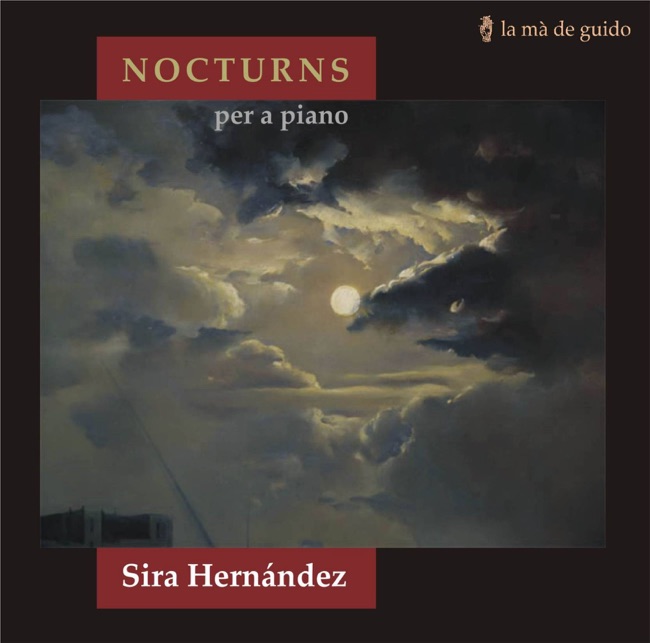 November 12, 2012
Chamber
-
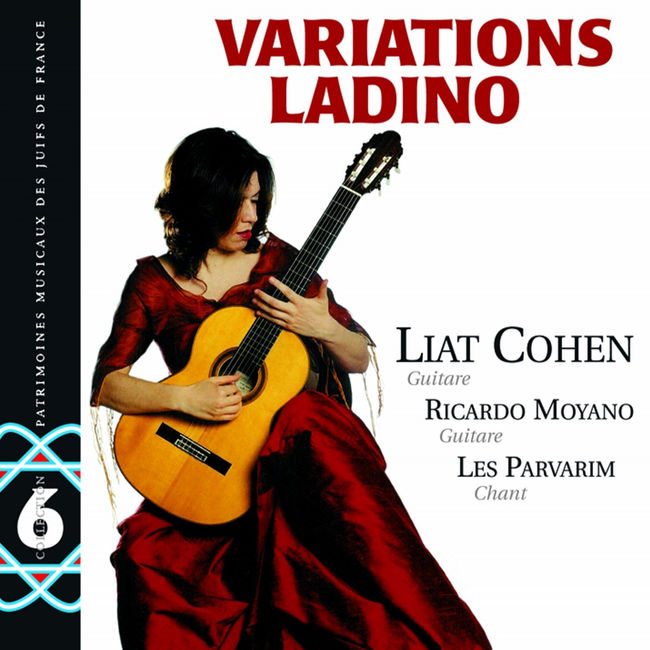 October 9, 2007
Artist Info
Role:ComposerBirth:1933 in Barcelona, SpainPeriod:ModernGenre:ChamberNarcís Bonet was a Spanish composer born on October 19, 1933, in Barcelona, Spain. He was the son of a family of musicians, and his father was a composer and conductor. Bonet began his musical studies at a young age, and he showed a great talent for music. He studied at the Conservatori Superior de Música del Liceu in Barcelona, where he received a degree in composition. Bonet's early works were influenced by the music of his father, who was a composer of zarzuela, a Spanish form of operetta. However, Bonet soon developed his own style, which was characterized by a blend of traditional Spanish music and modernist techniques. He was particularly interested in the use of electronic music, and he was one of the first Spanish composers to experiment with this medium. Bonet's first major work was his opera "El rapte de les Sabines" (The Rape of the Sabine Women), which was premiered in 1960. The opera was based on the ancient Roman legend of the same name, and it was a critical success. Bonet's use of electronic music in the opera was particularly innovative, and it helped to establish him as one of the leading composers of his generation. In the 1960s, Bonet continued to experiment with electronic music, and he composed several works that incorporated this medium. One of his most famous works from this period was "Música para un jardín" (Music for a Garden), which was composed in 1967. The piece was written for a garden in Barcelona, and it was designed to be played on a sound system that was installed throughout the garden. The piece was a great success, and it helped to establish Bonet as a pioneer in the field of electronic music. In the 1970s, Bonet began to focus more on traditional Spanish music, and he composed several works that were inspired by the music of his homeland. One of his most famous works from this period was "Cantata de la terra" (Cantata of the Earth), which was composed in 1976. The piece was a celebration of the natural beauty of Catalonia, and it was written for a large choir and orchestra. The piece was a critical success, and it helped to establish Bonet as one of the leading composers of his generation. In the 1980s, Bonet continued to compose works that were inspired by traditional Spanish music, but he also began to incorporate elements of modernism into his music. One of his most famous works from this period was "Concert per a piano i orquestra" (Concerto for Piano and Orchestra), which was composed in 1983. The piece was a fusion of traditional Spanish music and modernist techniques, and it was a critical success. In the 1990s, Bonet continued to compose works that were inspired by traditional Spanish music, but he also began to experiment with new forms and techniques. One of his most famous works from this period was "El somni de Gaudí" (Gaudí's Dream), which was composed in 1992. The piece was a tribute to the famous Catalan architect Antoni Gaudí, and it was a fusion of traditional Spanish music, modernist techniques, and electronic music. Bonet continued to compose music until his death on October 11, 2019. He was a prolific composer who wrote over 200 works in a variety of genres, including opera, ballet, chamber music, and orchestral music. He was a pioneer in the field of electronic music, and he was one of the leading composers of his generation. His music continues to be performed and celebrated around the world.More....
Recent Artist Music

Copyright Ⓒ 2013 Davinci Finger. All rights reseved
Service Terms & Policy