


Bianca Maria Meda
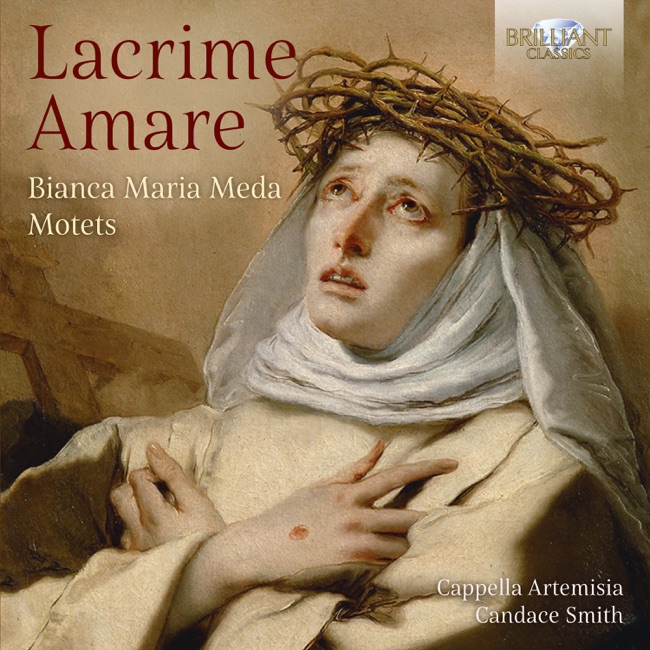
Artist Info
Role:ComposerBirth:1665Death:1700Period:BaroqueGenre:ChoralVocalBianca Maria Meda was a prominent Italian composer of the Baroque era. She was born in Milan in 1665, into a family of musicians. Her father, Giovanni Angelo Meda, was a composer and organist, and her mother, Caterina Visconti, was a singer. Bianca Maria was the youngest of their six children, and she showed an early aptitude for music. Bianca Maria received her musical education from her father, who taught her to play the harpsichord and the organ. She also studied singing with her mother, and composition with the composer and theorist Giovanni Battista Bassani. She was a quick learner, and by the age of 16, she had already composed several works for the church. In 1683, Bianca Maria married the nobleman Carlo Maria Maggi, and moved to his estate in the town of Lodi. Despite her new responsibilities as a wife and mother, she continued to compose music, and her reputation as a composer began to grow. She became known for her sacred music, which was performed in churches throughout Lombardy. One of Bianca Maria's most famous works is her oratorio "Il Trionfo della Fede" (The Triumph of Faith), which was first performed in 1690. The oratorio tells the story of the biblical heroine Judith, who saves her people from the invading Assyrians. The work was well-received, and was performed several times in Milan and other cities. Bianca Maria's music was characterized by its expressive melodies and rich harmonies. She was particularly skilled at writing for the voice, and her vocal music was praised for its beauty and emotional depth. Her works were also notable for their use of counterpoint, a technique in which two or more melodies are played or sung simultaneously. In addition to her sacred music, Bianca Maria also composed instrumental music, including sonatas and concertos. Her instrumental works were less well-known than her vocal music, but they were still highly regarded by her contemporaries. Bianca Maria's career as a composer was cut short by her untimely death in 1701, at the age of 36. She left behind a legacy of beautiful music, which continued to be performed and admired long after her death. Her works were rediscovered in the 20th century, and are now recognized as important contributions to the Baroque repertoire. Today, Bianca Maria Meda is remembered as one of the few female composers of the Baroque era. Her music is a testament to her talent and dedication, and serves as an inspiration to future generations of musicians.More....
Recent Artist Music
Copyright Ⓒ 2013 Davinci Finger. All rights reseved
Service Terms & Policy